DISABILITY & RESILIENCE, AND THE FUTURE OF HUMAN POTENTIAL
"BODY AWARENESS - MENTAL HEALTH - EMOTIONAL INTELLIGENCE "
This is more than a website - it’s a movement.
I explore scoliosis, chronic pain, disability, and inclusion through lived experience and neuroscience.
Redefining Disability. Reclaiming Strength. Rewriting the Story.
BREAKING THE CYCLE: Unraveling the link between chronic pain and stress
Stress is a natural human response to challenges or changes, known as stressors, which can trigger physical and mental reactions that influence our well-being.
1. THE STRESS - PAIN CYCLE

Source: Canva Pro, Design: Susanne ven de Munt
Yes, chronic pain can indeed lead to increased stress levels. The relationship between chronic pain and stress is bidirectional, meaning each can exacerbate the other, creating a cycle that can be challenging to break. In other words, stress and pain are interconnected in a cycle where each influences the other. Let me explain to you how:
Stress-Induced Pain: Stress can lead to muscle tension and the release of inflammatory chemicals, which may exacerbate pain conditions.
Pain-Induced Stress: Ongoing pain can activate the body's stress response, leading to the release of stress hormones like cortisol, which can further sensitize the nervous system to pain.
Let me stop by cortisol here. Cortisol is referred to as the "stress hormone," as it plays an essential role in the body's response to stress. However, beyond its involvement in stress reactions, cortisol also has several essential functions. Would you like to hear about them? Let me know.
2. TYPES OF STRESS

Source; Canva Pro, Design; Susanne van de Munt
Acute Stress: Short-term stress that arises quickly in response to specific events, such as avoiding an accident in a matter of seconds.
Episodic Acute Stress: Frequent episodes of acute stress, often affecting people with demanding professions.
Chronic Stress: Long-term stress resulting from ongoing situations, such as health issues or challenging work-finances- family related difficulties.
While stress can sometimes be beneficial by keeping us alert and motivated. Prolonged or ongoing stress can affect health and lead to dysfunctional body responses that affect our everyday functioning, and that is the problem for all chronic pain warriors.
3. HOW CHRONIC PAIN LEADS TO STRESS
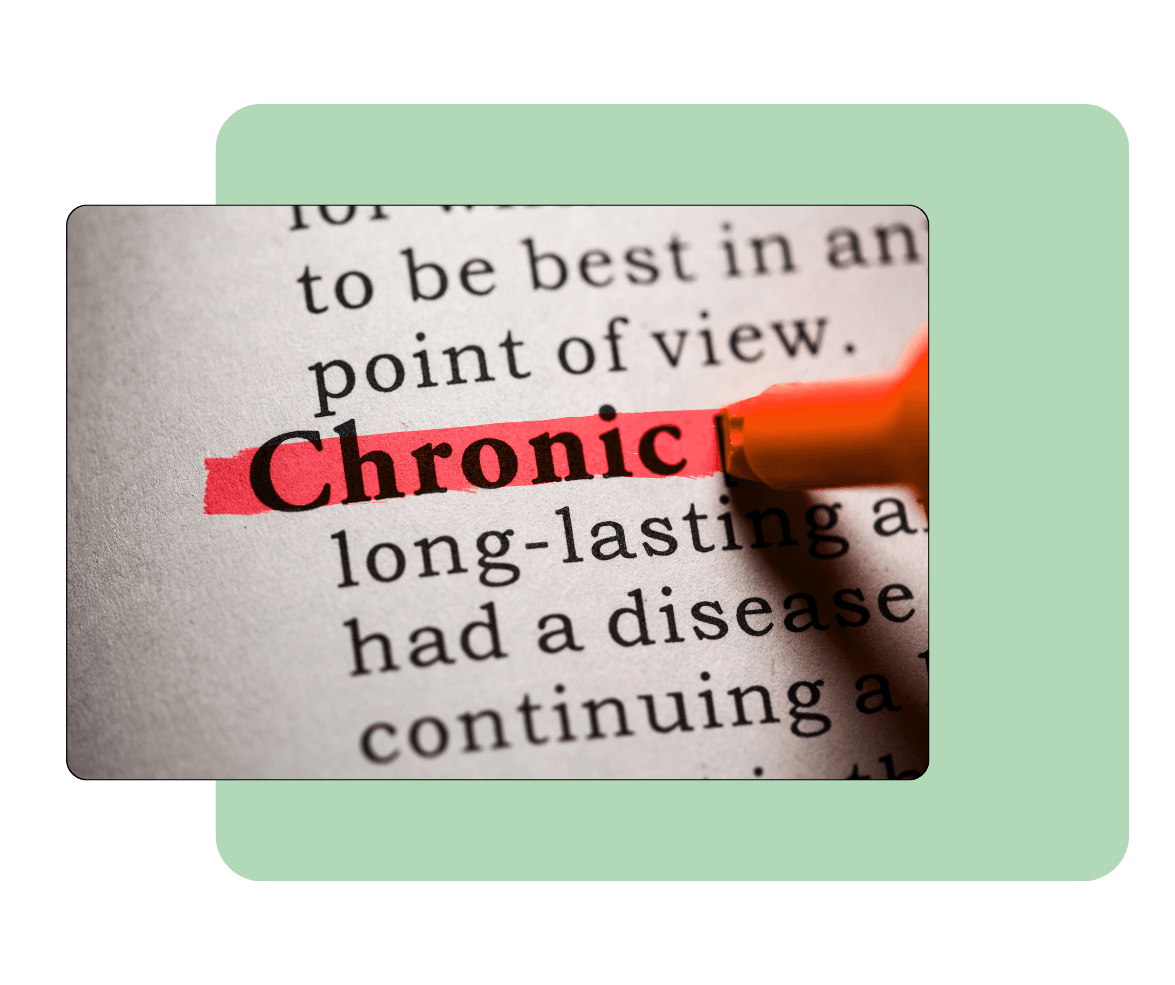
Source; Canva Pro, Design; Susanne van de Munt
People with chronic musculoskeletal pain may experience stress-induced hyperalgesia, where stress literally increases pain sensitivity.
Hyperalgesia can develop when there is nerve damage or when chemical changes occur in the nerve pathways responsible for detecting pain.
Oxford studies have shown that chronic stress can lead to cortisol dysfunction, which is associated with increased pain perception. This relationship highlights the importance of stress management in pain rehabilitation.
Having read through all the medical terms and explanations above, let's take a look at the visible damage that stress can cause.
4. COMMON SYMPTOMS OF STRESS

Source: Canva Pro, Design; Susanne van de Munt
Physical Strain: Persistent pain can cause ongoing physical discomfort, leading to muscle tension and fatigue, digestive problems, insomnia, and elevating stress hormone levels.
Emotional Impact: Living with chronic pain often results in feelings of frustration, anxiety, and depression. I guess that each of us knows the feeling of being overwhelmed; it contributes to an increased stress level.
Lifestyle Limitations: Chronic pain can restrict daily activities and social interactions, leading to social isolation, increased stress, procrastination, and social withdrawal.
Are you familiar with any of this?
I think so! With all the respect that I have towards life itself, there is not a chance that we can avoid some stressful events occurring in our lives. I wish we would consciously pay attention to stress recognition and focus on handling stress management efficiently.
5. BREAKING THE STRESS-PAIN CYCLE

Source; Canva Pro, Design: Susanne van de Munt
Breaking the stress-pain cycle involves addressing both stress and pain through various strategies:
Stress Management Techniques: Incorporating conscious practices such as mindfulness, meditation, deep breathing exercises, and cognitive-behavioral therapy can help reduce stress levels.
Physical Activity: Engaging in regular, gentle exercise such as yoga, pilates, tai-chi, or incorporating pace on nordic walking or taking dance classes can alleviate pain, and reduce stress, and increase hormones of happiness instead.
Professional Support: Consulting healthcare professionals or a healthcare coach can provide personalized strategies to manage both pain and stress without feeling that you are in "all alone".
6. THE AUTHOR'S PROFESSIONAL RECOMMENDATION:
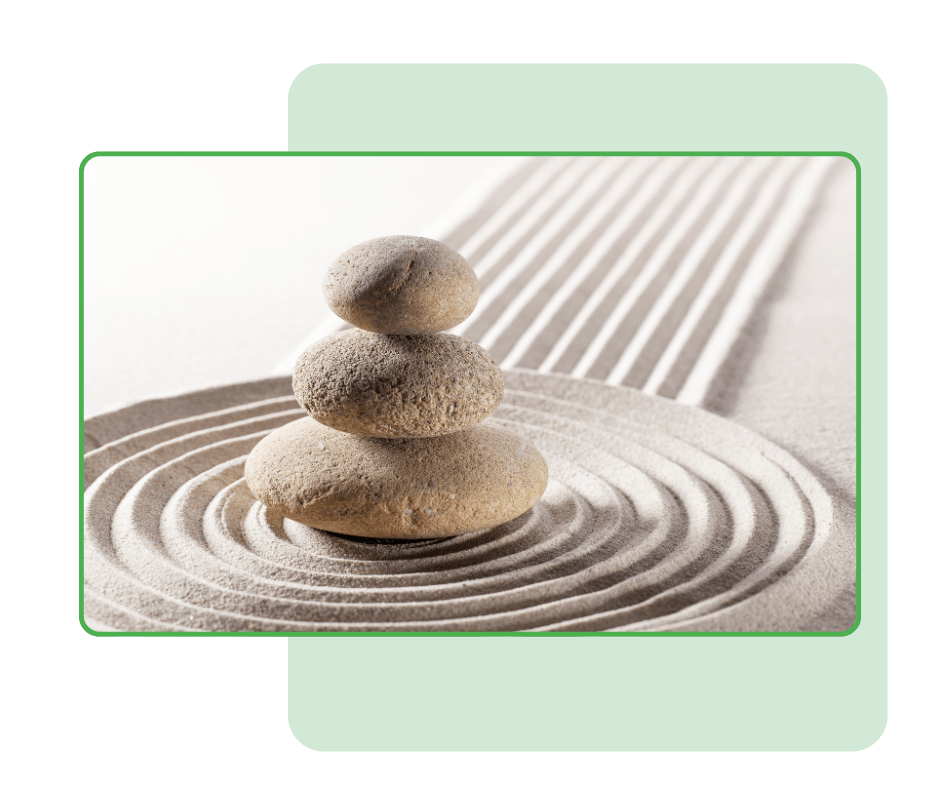
Source: Conva Pro, Design: Susanne van de Munt
1. Understanding and addressing the connection between chronic pain and stress is essential for improving quality of life and breaking the cycle that perpetuates both conditions.
2. Stress may be unavoidable in life; however, we and I mean-humans can modify what we perceive as stressful and how we respond to it. It is a subject to be learned and trained. Practice makes a master. Right?
3. Mindfulness may not erase pain, but it can soften its edges and bring us back to ourselves.
Written by someone who's walked the path and writes to light yours.
Susanne van de Munt
✔️ Trauma-informed | ✔️ Lived Experience | ✔️ Medical + Emotional Intelligence
"girl in the brace who refuses to break"
UNCOVER A CHALLENGING LIFE STORY
Say yes to the journey.
Pre‑sign up now for ''Girl in the brace who refuses to break'' and get early access to the book, exclusive insights, and a first invitation into a community built for people who rise differently.
Your next chapter starts the moment you join.

My voice is bold and authentic. I talk about my errors and triumphs, resilience, discipline, old beliefs, and new beginnings.
Life is not a dress rehearsal.
There are no second takes.
And the only moment guaranteed to you is the one you’re holding right now.
So step into it — imperfect, unready, and fully alive.
Susanne van de Munt DiS
FOUNDER-DISABILITY & INCLUSION
HEALTHCARE WRITER
My core belief — “Disability Is Diversity” — challenges outdated assumptions about strength and ability.
Disabled people are not symbols of limitation that society needs to "somehow" accommodate.
We are masters of adaptation, innovation, and resilience.
We don't break up at the first inconvenience.
When society finally comprehends this, a stronger, braver, more compassionate society can built.

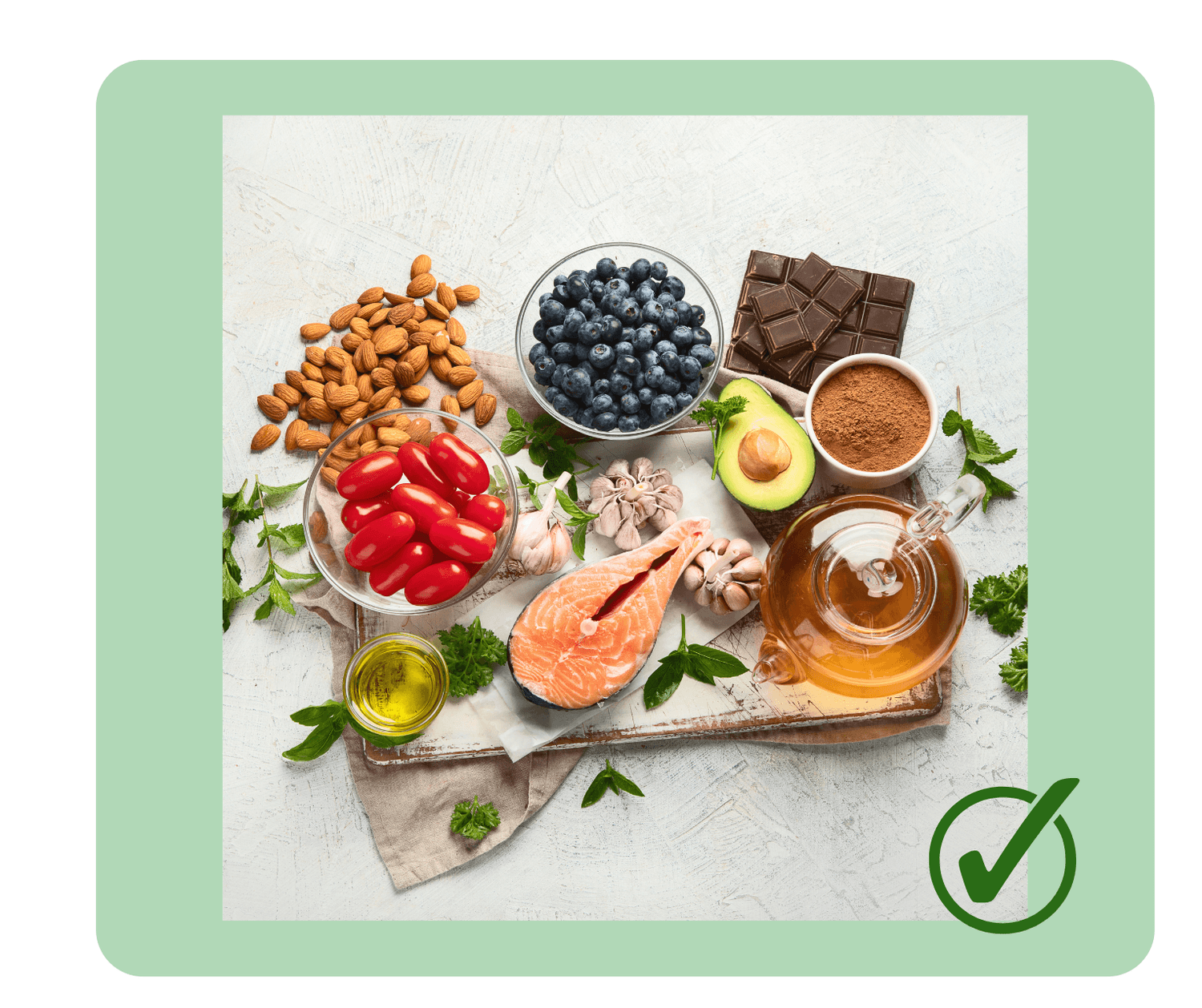
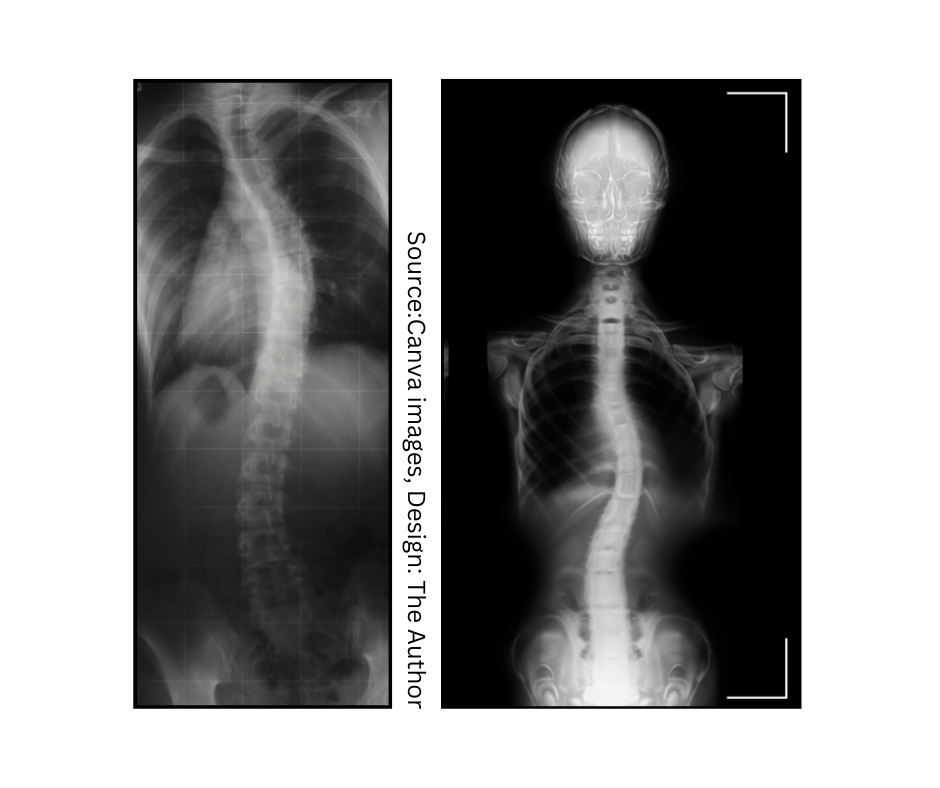

This project is shaped by lived experience and sustained by your support. Every book purchased and service booked contributes to a mission led by a coach living with physical disability. Your support helps amplify a message built from resilience, compassion, and shared healing.
Thank you.
Susanne van de Munt
My mission is simple:
To shift the global mindset from seeing disability as a deficit to recognizing it as a source of innovation, leadership, and human evolution.
The information provided on this website is for educational and informational purposes only and does not constitute medical advice or a substitute for professional healthcare. Individuals are strongly encouraged to consult with a qualified healthcare provider before undertaking any exercise regimen, nutritional changes, or treatment for scoliosis or chronic pain. Proper medical evaluation and guidance are essential to ensure safety and effectiveness.
All rights reserved © 2025 www.scoliosismanagement.com
Susanne van de Munt Dis