DISABILITY & RESILIENCE, AND THE FUTURE OF HUMAN POTENTIAL
"BODY AWARENESS - MENTAL HEALTH - EMOTIONAL INTELLIGENCE "
This is more than a website - it’s a movement.
I explore scoliosis, chronic pain, disability, and inclusion through lived experience and neuroscience.
Redefining Disability. Reclaiming Strength. Rewriting the Story.
Disability & Inclusion story: Why DIVERSITY matters
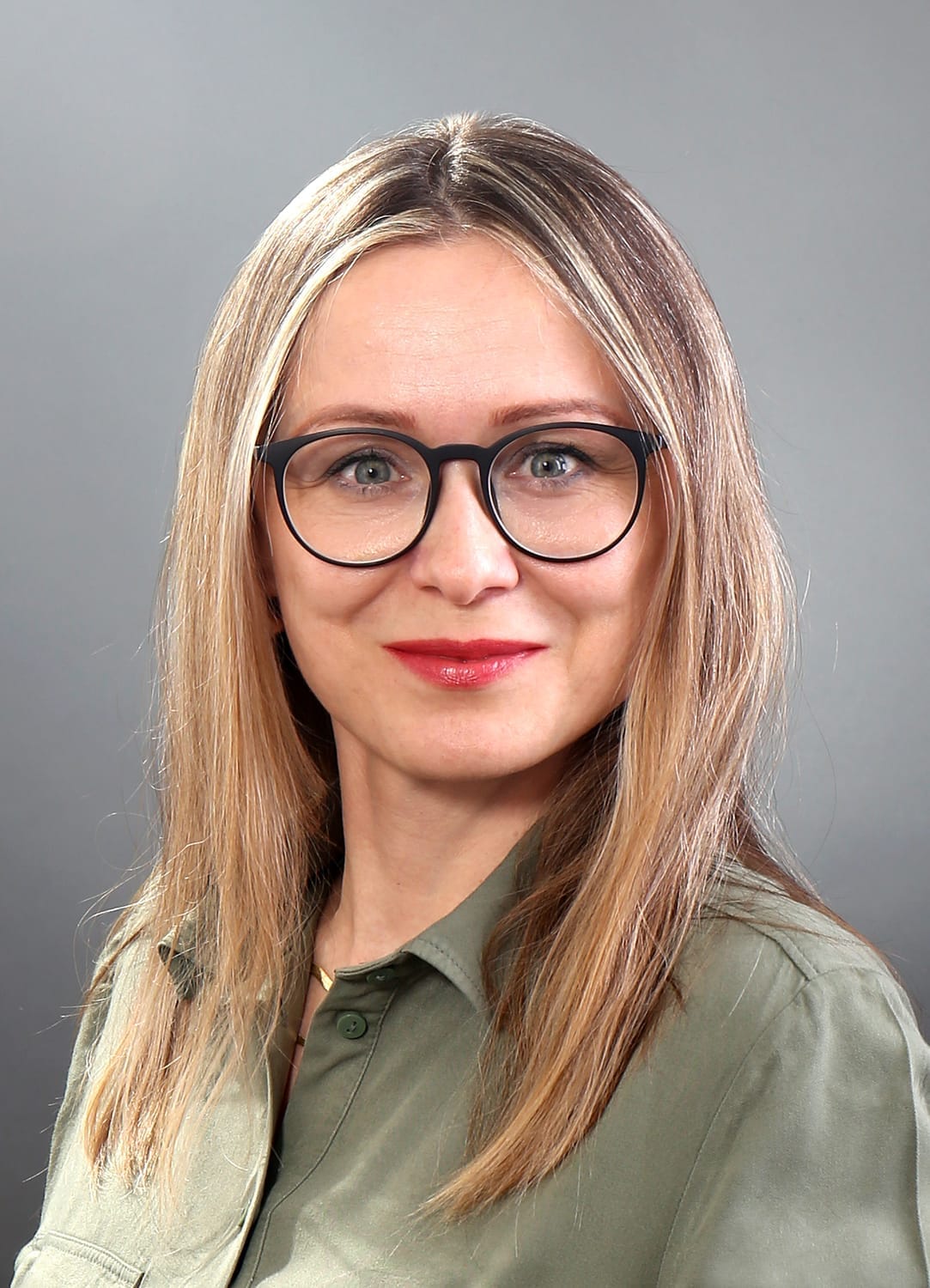
Author: Susanne van de Munt, DiS
Disability&Inclusion Advocate,
Real-life experience coach, Healthcare writer
A true mission begins when we reframe disability as a source of diversity and resilience as the foundation of true inclusion.
Let’s learn it through the perspective of a disabled woman, who has decided to recognize her lived experience not as a limitation, but as a contribution.
1. Disability as a source of resilience
Source: Canva Pro, Design: Susanne van de Munt
Disability is often overlooked in diversity conversations, yet it represents one of the most powerful sources of resilience and creativity. By framing disability as diversity, we shift the narrative from limitation to contribution. Let's begin with some facts.
According to Boston University, about 1.5 billion people worldwide suffer from long-term chronic pain. Some scientific reviews suggest that up to 30% people globally experience chronic pain and other related health issues that largely affect their daily well-being. Disability is real, and so is pain..“Pain is not just physical - it’s neurological, emotional, and relational.”
Around 1.3 billion people experience significant disability, representing 16% of the global population. In the past 10 years, there has been a global increase of more than 270 million persons with disabilities.
Living with disability and chronic pain doesn’t mean surrendering your life. It is neither your personal failure nor your fault.
I know this firsthand.
2. My story in a nutshell
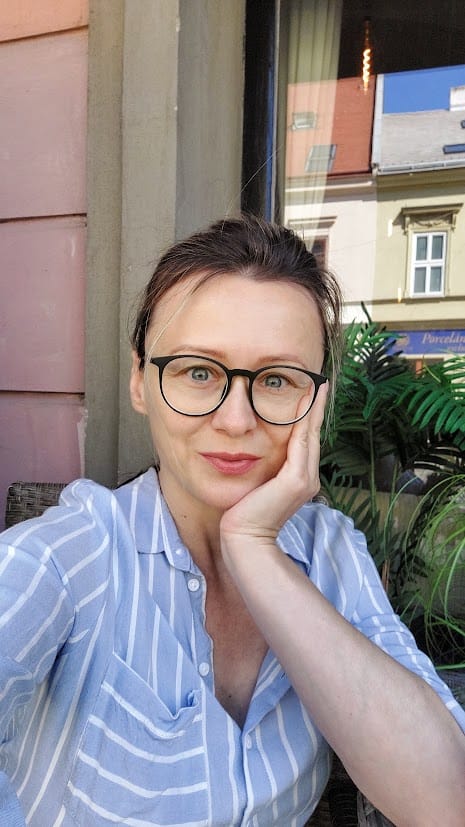
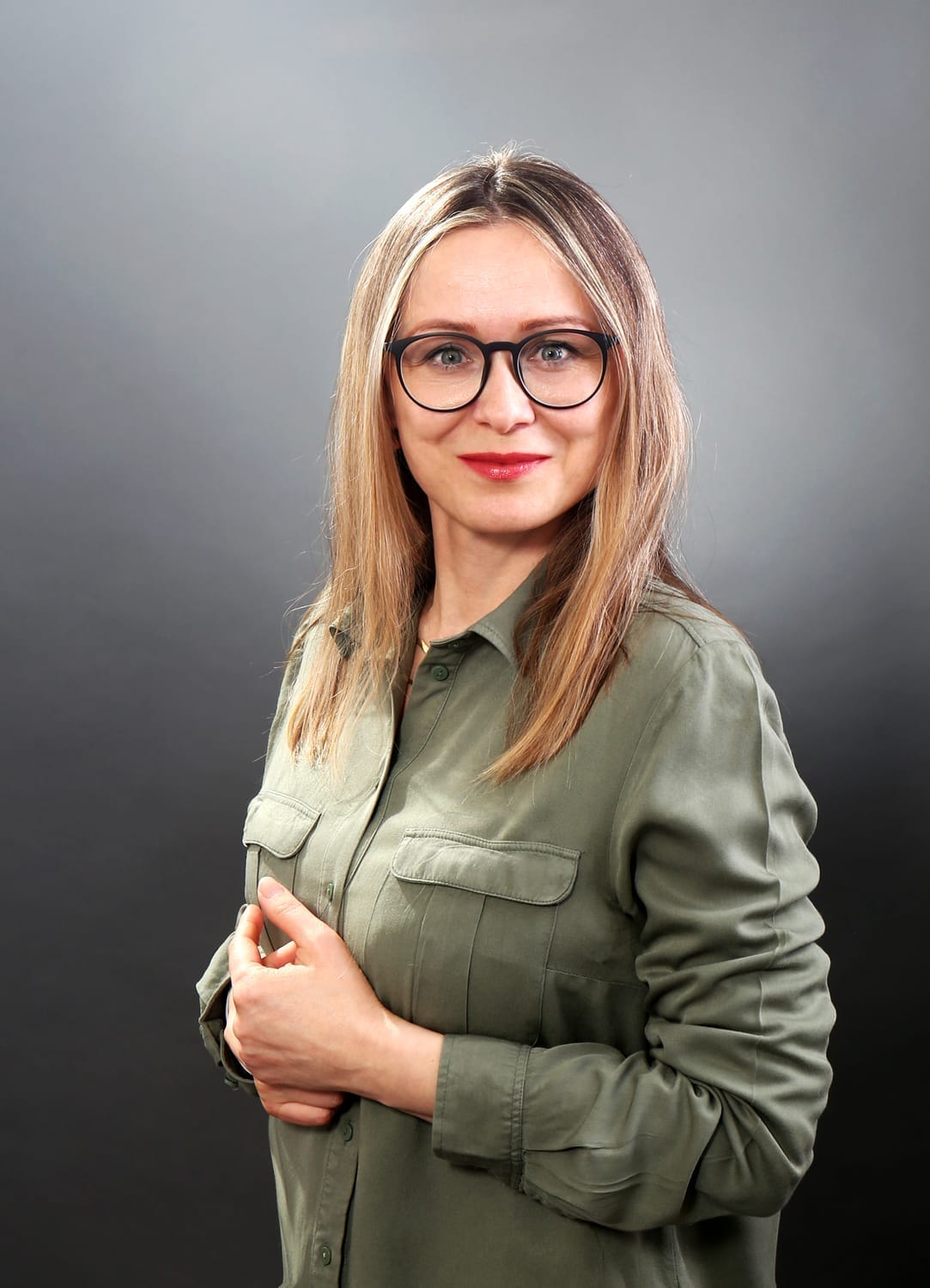
Archiv: Susanne van de Munt
I’ve built a mission on transforming challenges into strengths. I turned my own real-life journey with physical disability into a platform for empowerment. As a healthcare e-book author and chronic pain coach, I create accessible resources that blend science, storytelling, and strategy — helping individuals and organizations rethink resilience.
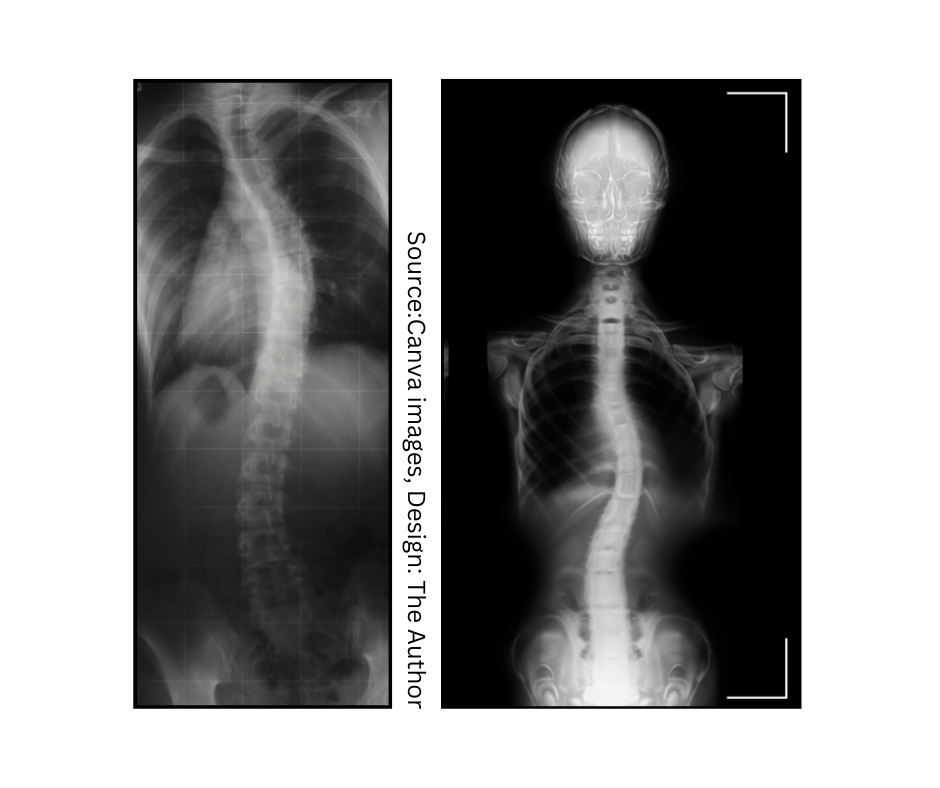
I was once destined to be bound to a wheelchair by my 40s due to my irreversible spine condition. Physical disability feels like an invisible cage and a curse, if you want to see it like that. That is a kind of regular feeling or societal norm that you can take as yours and live by it. It is, by far, the easiest one. However, this perspective is not sustainable on the long run.
I would kindly yet professionally suggest changing or adjusting this kind of window frame to: “Disability is diversity. Resilience is inclusion."
Why?
Because, for us; I mean people living with disabilities every day, presents choices: to shrink from the world or to find ways to thrive despite disability and the pain.
What would you choose?
3. Are you familiar with "the patient funnel''?
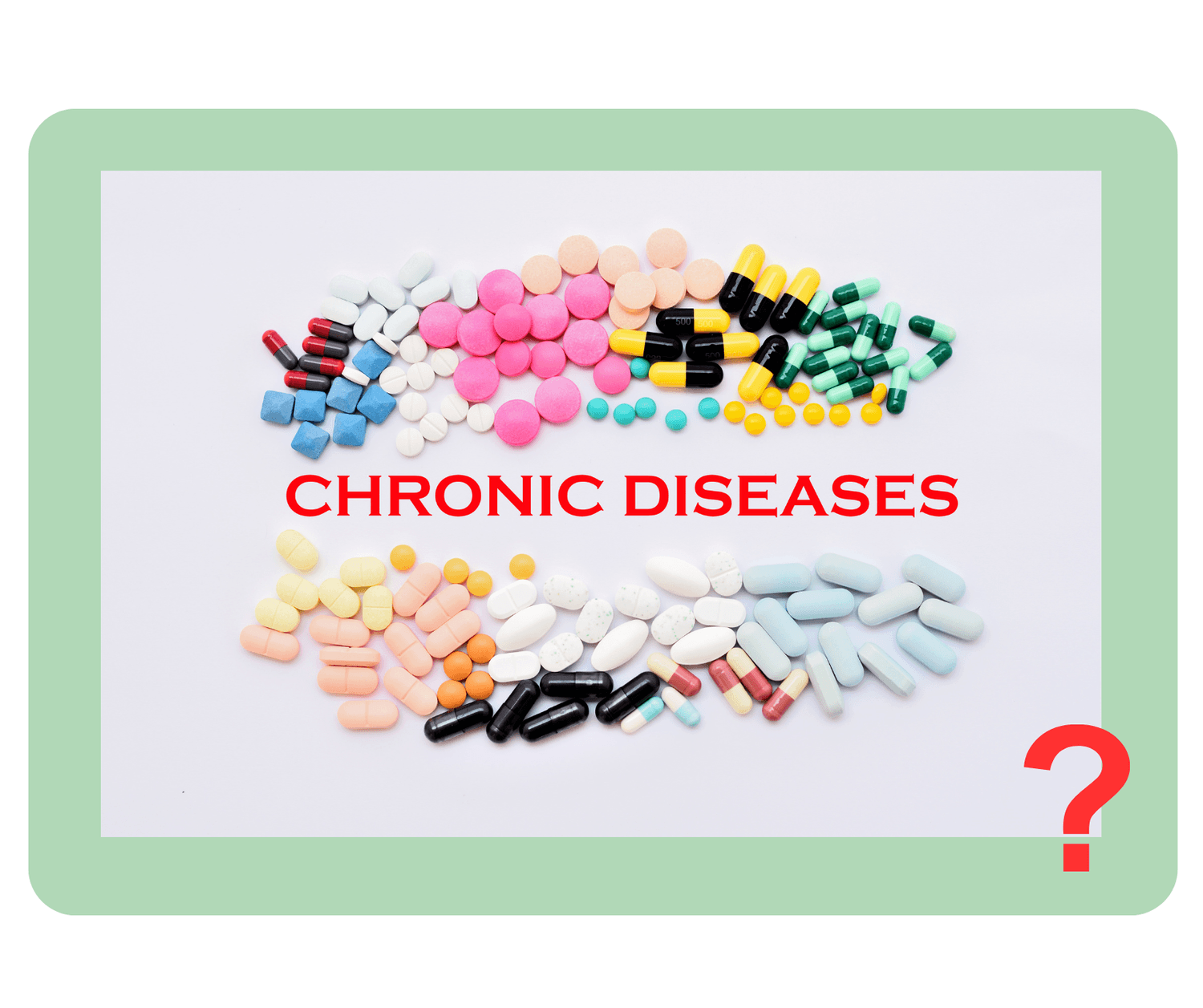
Canva Pro Image, Design: Susanne van de Munt
Beyond routines, thriving with disability and chronic pain is about confidence and perspective. I approach each challenge with curiosity: why is this flare happening, and what can I learn? I was not blessed with a healthy body, but I was blessed with a quick mind and the ability to observe and make my own assumptions. I have seen people falling into what I accurately named “the patient funnel”: “The place where hope is shrinking, autonomy fading, prescription pads becoming lifelines with ease.”
Every day, the choice sits in front of me like a plate I don’t want to eat from. Heavy drugs or resilience. Relief or resistance.
I choose differently.
Not because it’s easy, but because it’s necessary.
4. The daily choice
Source: Canva Pro, Susanne van de Munt
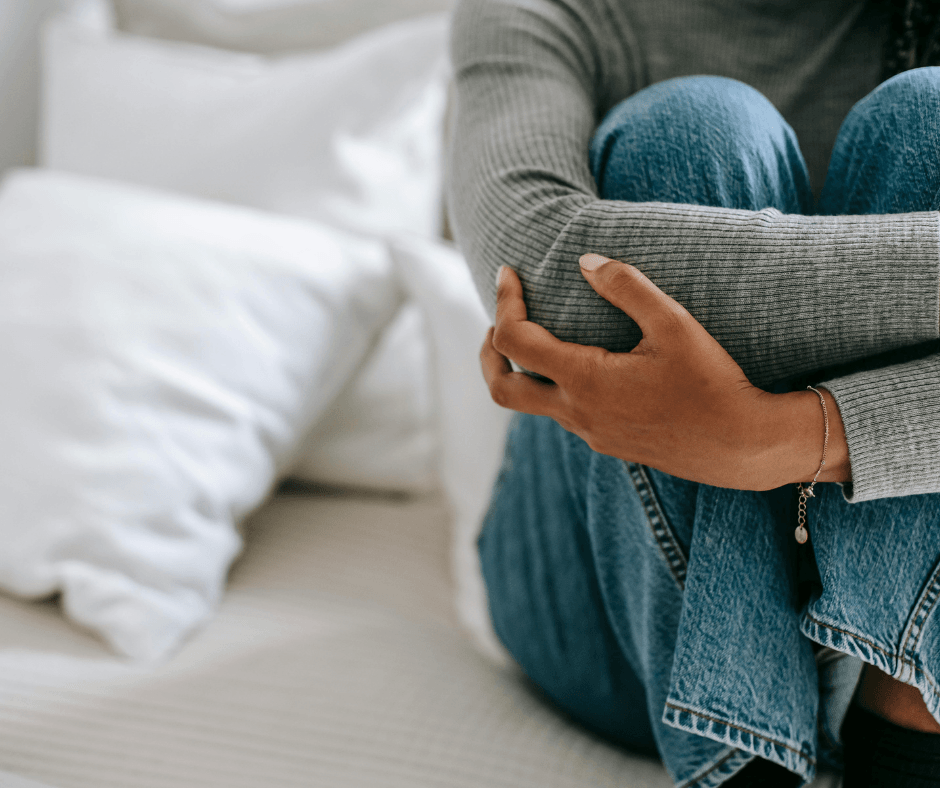
There are days when I have enough, when the temptation of numbness whispers through the cracks. But I remember the faces of those who surrendered too soon, swallowed by prescriptions, their lives shrinking to the size of pill bottles. I refuse that path. My resilience is not a miracle-it’s a skill. And skills can be learned, sharpened, and practiced. It is a discipline.
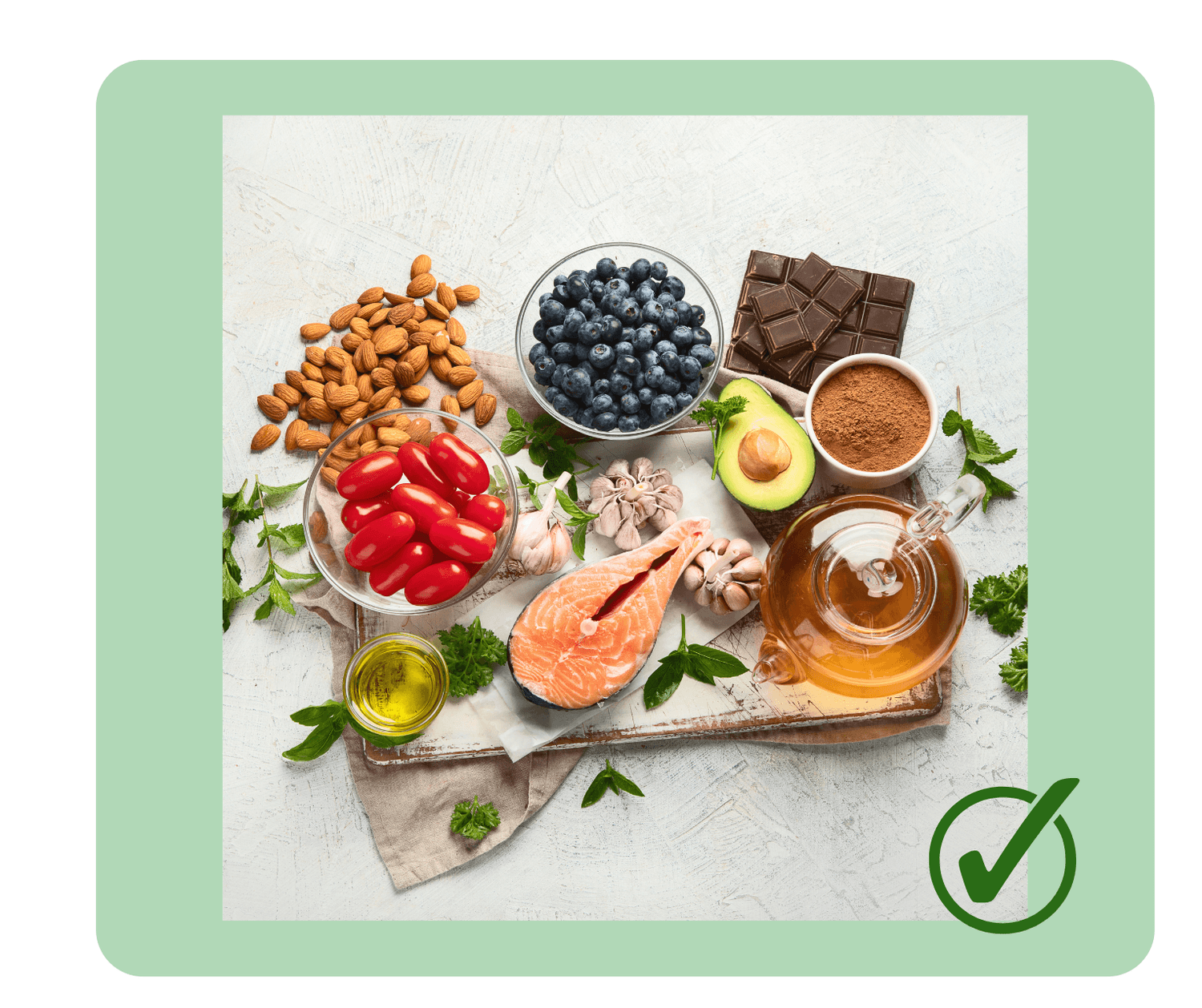
So I exercise, even when I don't feel like it, even when I feel lazy, I adjust exercise to a softer one, and off I go. I nourish my body, even when food feels like fuel for a broken machine. I tend to my mind, even when clouds of anxiety roll in. I breathe deeply to calm down my nervous system at first instance, perhaps I change my body position too, and I smile. I am well trained, I recognize pain, but I don't let it to own my story.
Each act is small, ordinary. But together, I write a winning real-life story.
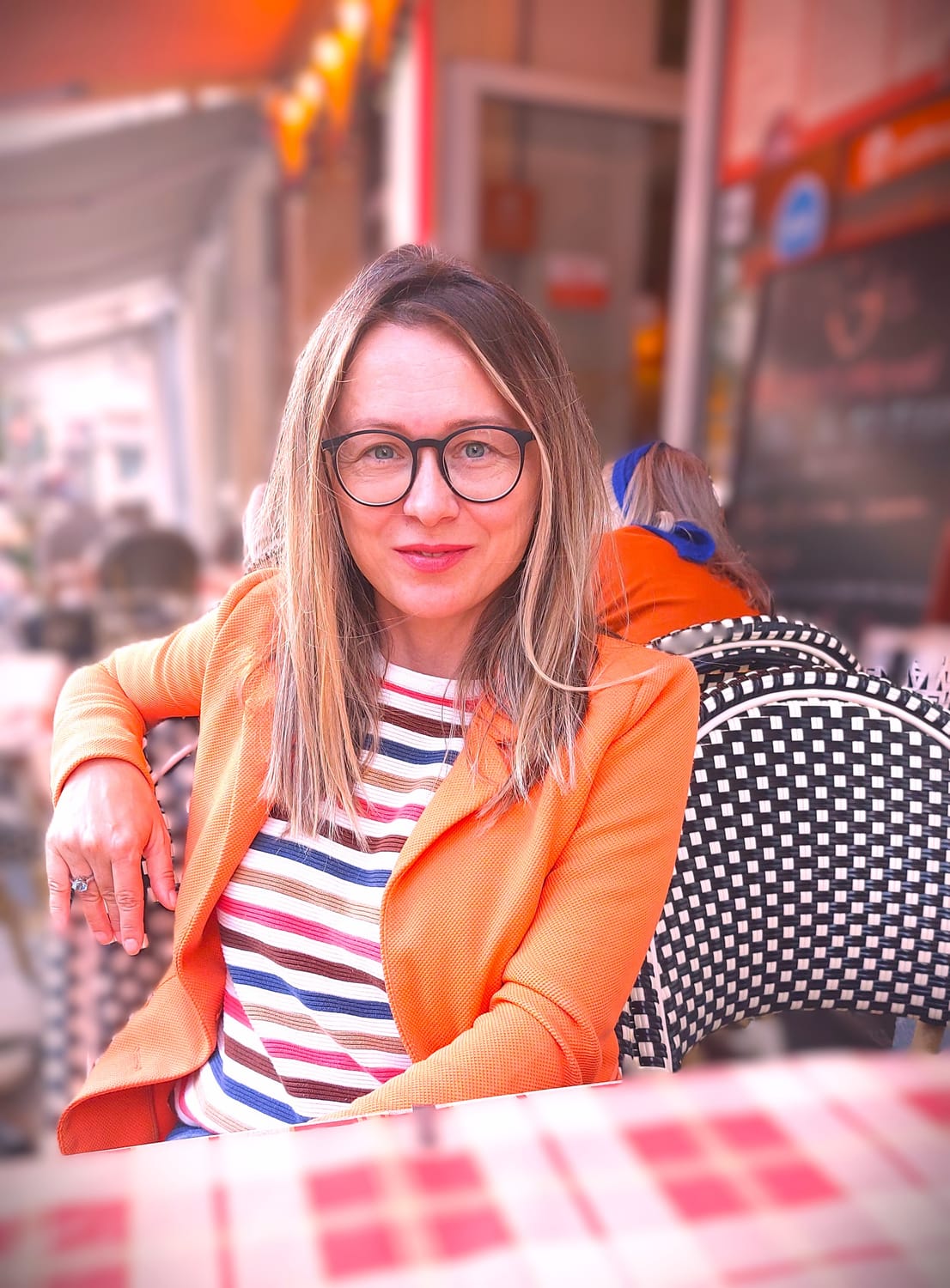
"Pain and physical disability may dictate the pace of my steps, but
they do not define the direction of my journey. "
Susanne van de Munt DiS
Disability & Inclusion Advocate
Real-life experience coach
Healthcare writer
5. Diversity & Inclusion
I tell my story because I want you to know: joy is possible, even here. Even when a hint of "the sword of Damocles " is hanging above. Even then. It is simply a matter of perspective.
A matter of which window you have chosen to look through at your life, or health situation. My life is a rich tapestry of experience that no one expected from me. [More in my upcoming book}
I need to learn, unlearn, adjust, change my mindset, attitude, and approach, and then start completely all over again, and not once in my life. Change is the only constant in my life. I beat myself up for many years, asking the useless question, "Why me"? That is the chapter I can talk for hours and hours, but it doesn't make any change.
What makes a change is: when I make you rethink, redesign, and reframe your thought or belief pattern about disability.
This is when real change happens.
→ Nowadays, I have embraced disability as a source of diversity.
→ If I ever wanted to have an extraordinary life, here I have it!
→ I feel like I was thrown into an ocean of life; there you go: learn to swim, and
→ I learned!
→ I learned that my body is far stronger than I thought, and
→ my human mind is almost bulletproof by now.
Do you feel uninspired? Have you lost track of your life somehow through the process called growth?
I fix you!
I fix your mindset, actually. I see what you don't. I pin-point your strengths and blessings in a minute of your disbelief. I'll change your template from dark blue to "count your blessings."
That is just an exciting beginning, your journey will unfold itself, as soon as you start believe in it! Are you in?
My journey is not about overcoming disability, but about embracing it as a teacher, a compass, and a source of innovation for my clients.
Mission 1
My mission is simple and urgent: to shift the global mindset from seeing disability as a deficit to recognizing it as a source of innovation, leadership, and human evolution.
I bring a rare combination of lived experience, professional expertise, and global perspective to conversations about resilience, inclusion, and the future of human potential.
6. Resilience in practice
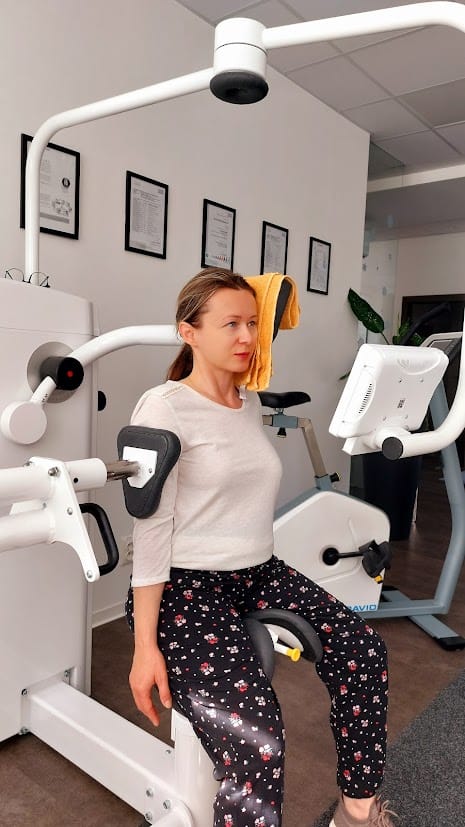
For 3 months, I committed my time, strength, and energy to reclaim my body. Archiv :Susanne vd Munt
Has anyone ever explained to you, what real resilience in practice is, yet?
Resilience is the daily practice of adapting, persevering, and thriving despite life and health challenges. For people with disabilities, resilience is not optional - it’s woven into everyday life. When society values resilience, it naturally creates space for inclusion. Why? Because inclusion is about recognizing strength, not pity.
When we say ‘Disability is diversity. Resilience is inclusion,’ we are rewriting the story. I had, and I have a valid reason to take pity on myself. I don't do it. And if I occasionally slip down, my husband fix it for me. He is a sweetie, and well-trained!
It is 2026, the world runs on different energy, in today's world, disability is not a barrier - it is a dimension of humanity. It’s a reminder that our lived experience is not just valid, but vital.
This statement reframes disability and resilience as assets, not deficits. It is a call to action: embrace disability as a source of diversity, and resilience as the foundation of true inclusion.
7. UN Disability Inclusion Strategy statement
Let me share with you the UN key development at the international level, following WHO's 2014-2021 Disability Action Plan that was waiting in between my deep-research papers on my table, since some time already.
UN Disability Inclusion Strategy (UNDIS), UNDIS was developed in 2019 to establish, strengthen and systematize a UN system-wide approach to disability, including in the area of accountability. UNDIS seeks, for the first time, to systematically ensure the entire UN system is inclusively mainstreaming the rights of persons with disabilities in its internal functioning, as an employer, and external functioning, including through the delivery of inclusive and targeted UN system-wide programs. The strategy sets out a vision across four areas:
• Leadership, calculated planning, and management
• Inclusiveness
• Programming
• Organizational culture
8. Mandatory employment quotas in practice
Source: Canva Pro, Design: Susanne vd Munt
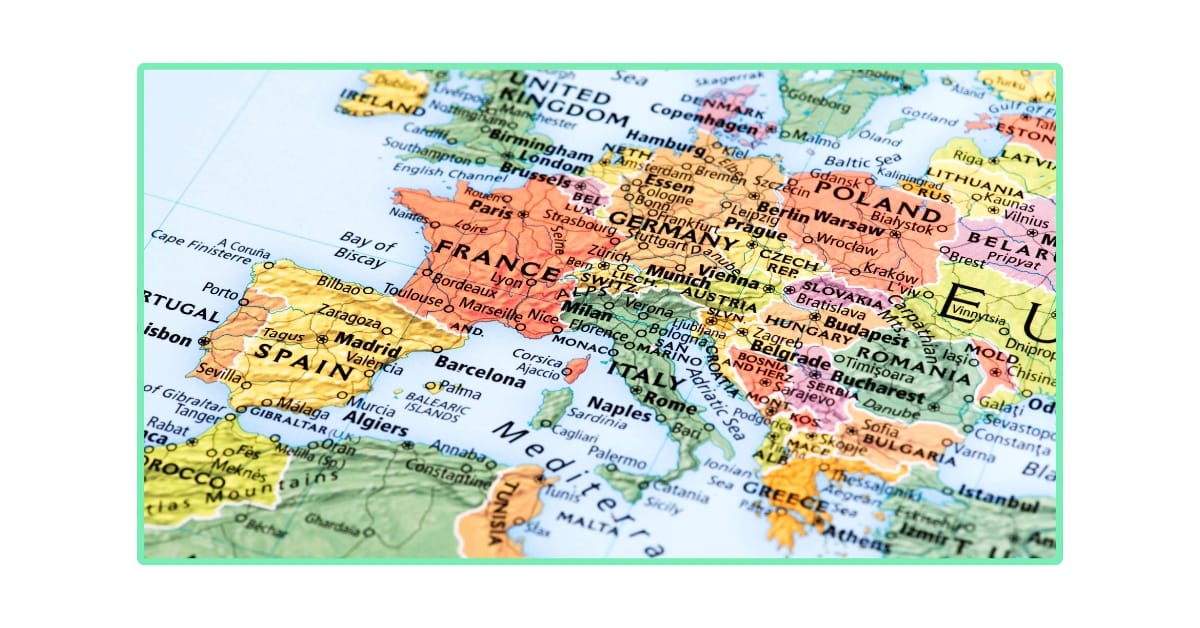
Based on Diversity & Inclusion setting, countries primarily in Europe and Asia, have mandatory employment quotas requiring companies above a certain size (often 20 or 25 employees) to employ some percentage of people with disabilities. The specific percentage and penalties for non-compliance vary by country. Here I share, and add some examples per country with key resources and the link to a former source pdf, and official references verifying details:
France: Companies with at least 20 employees are obliged to employ disabled people for a minimum of 6% of their total workforce. Official guidance: agefiph.fr and service-public.fr.
Germany: Employers with 20 or more employees are required to fill at least 5% of their positions with severely disabled people or those with equal status. Resource: bund.de or rehabdata.de for compliance details.
Spain: Companies with 50 or more employees must reserve at least 2% of jobs for disabled workers. Official resource: sepe.es.
Austria: Employers with 25 or more employees must engage one "beneficiary disabled person" for every 25 employees (a 4% ratio for a company of 25). Details at ams.at.
Czech Republic: Employers with more than 25 employees must ensure that at least 4% of their workforce consists of disabled employees. Resource: mpsv.cz
Each country enforces employment quotas for disabled workers through specific national laws. These obligations typically apply to companies above certain employee thresholds, with penalties or alternatives like financial contributions for non-compliance.
9. Countries without Disability & Inclusion quotas
Source: Canva Pro, Design: Susanne vd Munt
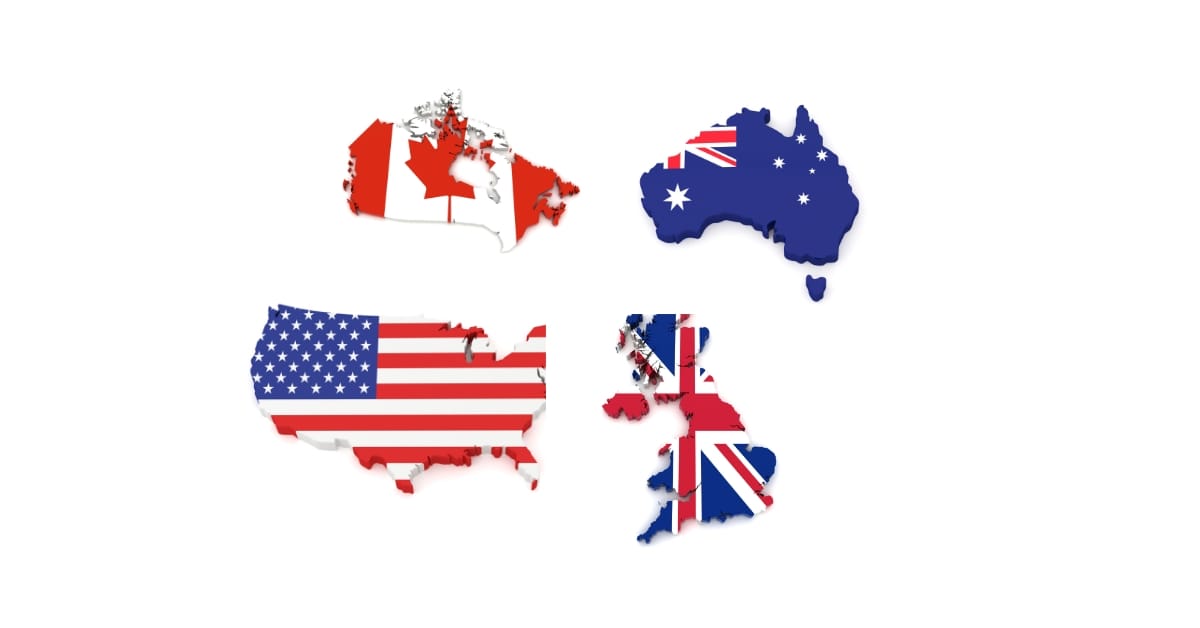
Countries including the United States, the United Kingdom, Australia, Canada, and others do not have employment quotas, but have anti-discrimination laws (like the Equality Act 2010 in the United Kingdom and the Americans with Disabilities Act (ADA) in the United States) that require an employer to make reasonable accommodation and prohibit discrimination throughout employment.
10. Disability & Inclusion drives innovations
Source: Canva Pro, Design: Susanne vd Munt
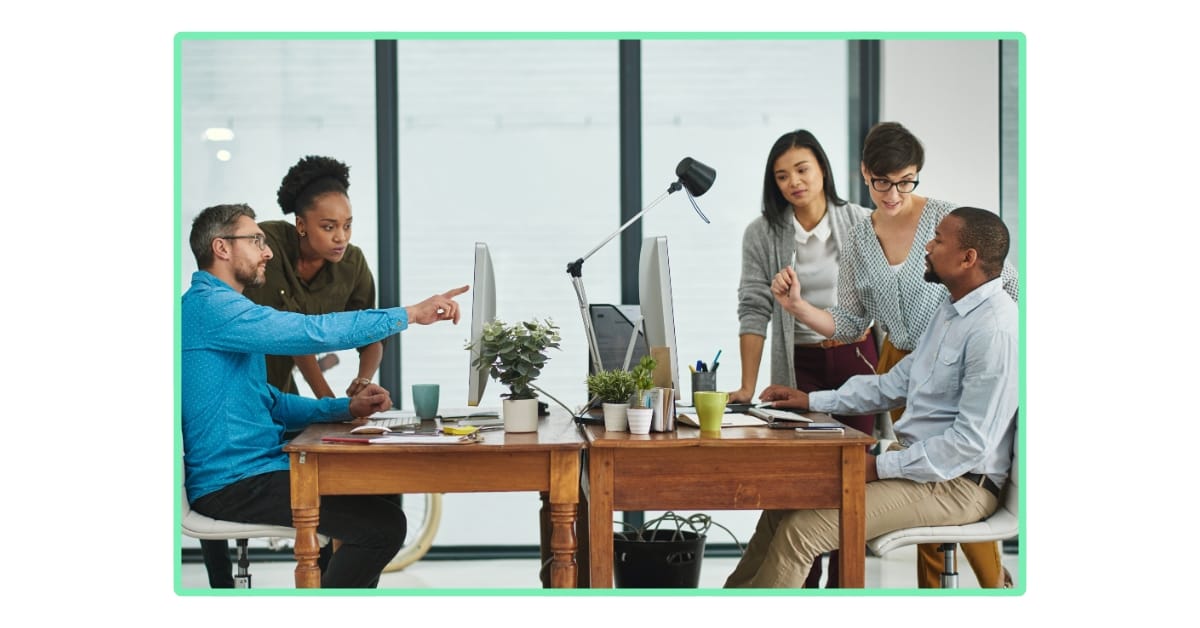
Many companies are already engaged in the path of inclusion, not only to meet quotas imposed by public policies. These organizations recognize that diverse teams, including those with disabled employees, drive innovation, enhance problem-solving, and boost overall morale. By fostering genuine accessibility and support systems, they cultivate a workplace culture that attracts top talent and yields long-term competitive advantages.
To promote disability inclusion effectively, practical training for the workforce is essential. I understand that many professionals talk about it, just a few live it. I do.
To enhance the action plan and strengthen delivery, I would start with the following:
a communication strategy,
increased human resources knowledge, tailor-made to each company
targeted training for interview panels and
hiring committees to ensure they understand and implement disability-inclusive practices confidently
11. The human side of life
Author: Susanne van de Munt
Diversity is not just about race, gender, or culture. It’s about the full spectrum of human experience—including disability.
My mission is simple and urgent:
•To shift the global mindset from seeing disability as a deficit to recognizing it as a source of innovation, leadership, and human evolution.
• Disability brings unique perspectives, problem-solving skills, and innovations born from lived experience.
If your organization is ready to rethink inclusion, elevate its DEI strategy, and create a culture where people feel seen, valued, and empowered — let’s connect.
Susanne van de Munt DiS
FOUNDER-DISABILITY & INCLUSION
HEALTHCARE WRITER
My core belief — “Disability Is Diversity” — challenges outdated assumptions about strength and ability.
Disabled people are not symbols of limitation that society needs to "somehow" accommodate.
We are masters of adaptation, innovation, and resilience.
We don't break up at the first inconvenience.
When society finally comprehends this, a stronger, braver, more compassionate society could be built.

This project is shaped by lived experience and sustained by your support. Every book purchased and service booked contributes to a mission led by a coach living with physical disability. Your support helps amplify a message built from resilience, compassion, and shared healing.
Thank you.
Susanne van de Munt
My mission is simple:
To shift the global mindset from seeing disability as a deficit to recognizing it as a source of innovation, leadership, and human evolution.
The information provided on this website is for educational and informational purposes only and does not constitute medical advice or a substitute for professional healthcare. Individuals are strongly encouraged to consult with a qualified healthcare provider before undertaking any exercise regimen, nutritional changes, or treatment for scoliosis or chronic pain. Proper medical evaluation and guidance are essential to ensure safety and effectiveness.
All rights reserved © 2025 www.scoliosismanagement.com
Susanne van de Munt Dis