DISABILITY & RESILIENCE, AND THE FUTURE OF HUMAN POTENTIAL
"BODY AWARENESS - MENTAL HEALTH - EMOTIONAL INTELLIGENCE "
This is more than a website - it’s a movement.
I explore scoliosis, chronic pain, disability, and inclusion through lived experience and neuroscience.
Redefining Disability. Reclaiming Strength. Rewriting the Story.
Thriving beyond disability and chronic pain. Let my diversity & inclusion story inspire you.
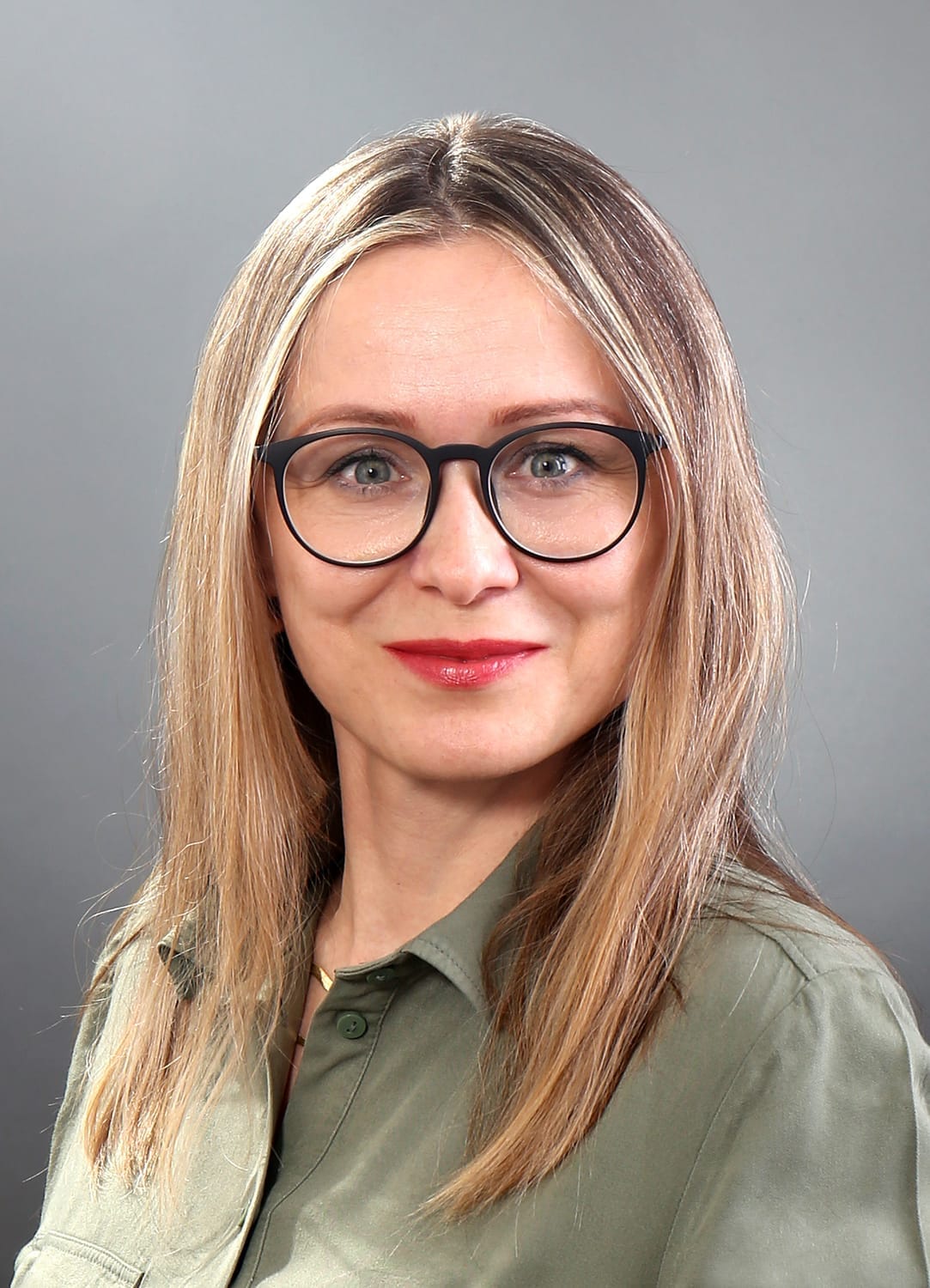
Author: Susanne van de Munt, DiS
Disability&Inclusion Advocate,
Real-life experience coach, Healthcare writer
1. Breaking the chain of self-isolation
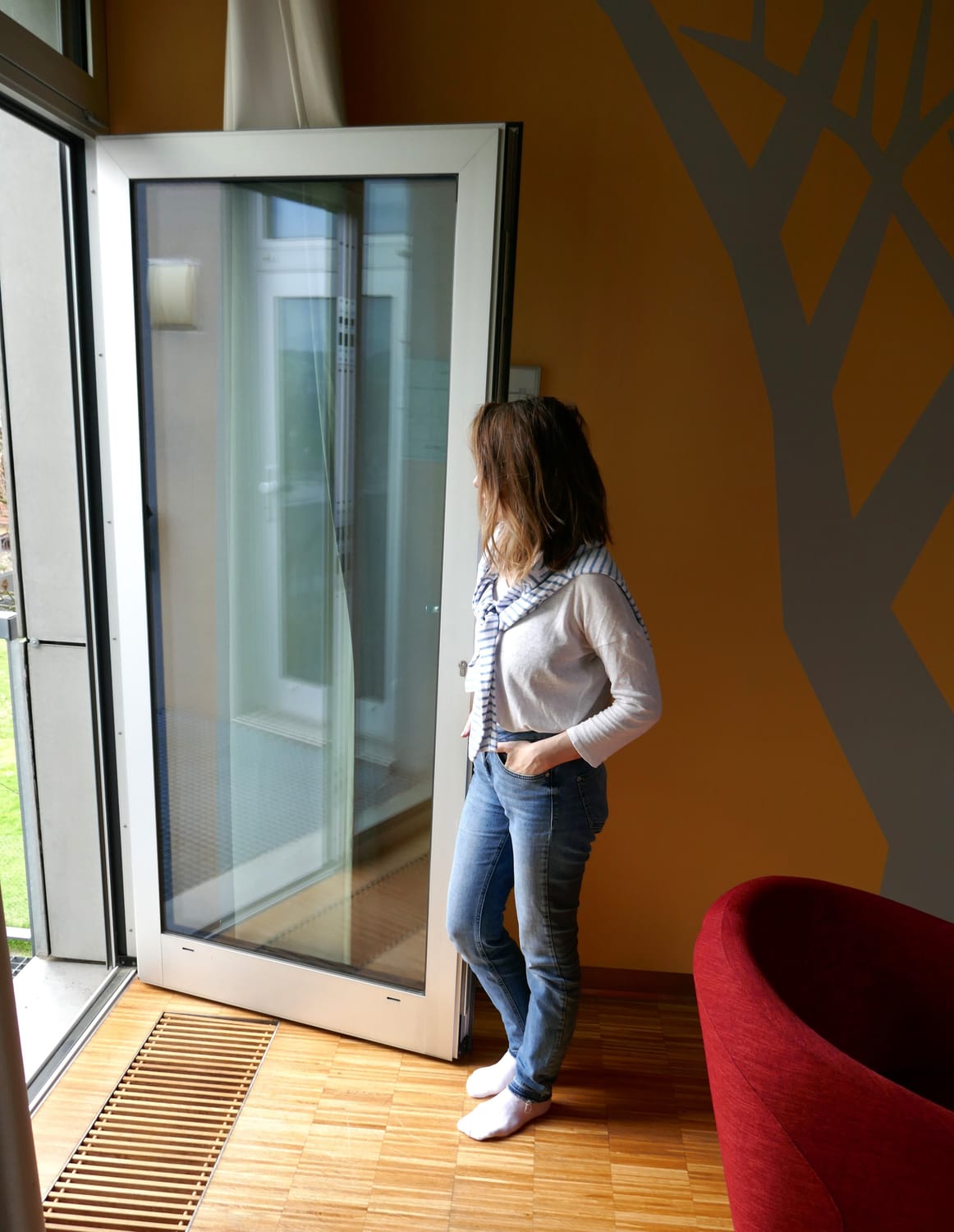
Archiv: Susanne vd Munt
Have you ever felt trapped inside your own mind, the weight of isolation pressing down on you so heavily that it feels like no one could possibly understand your pain?
I was there, caught in a cycle of loneliness that seemed impossible to break.
My scoliosis journey was not just about physical pain; it was a battle with my mind, my sense of self-worth, and the crushing belief that I was somehow different, and therefore undeserving of connection.
What is it about loneliness that makes us retreat into ourselves even further? And why does it feel like an unshakable force, like it’s a part of who we are?
2. When survival takes over, or when your mind becomes a cage.
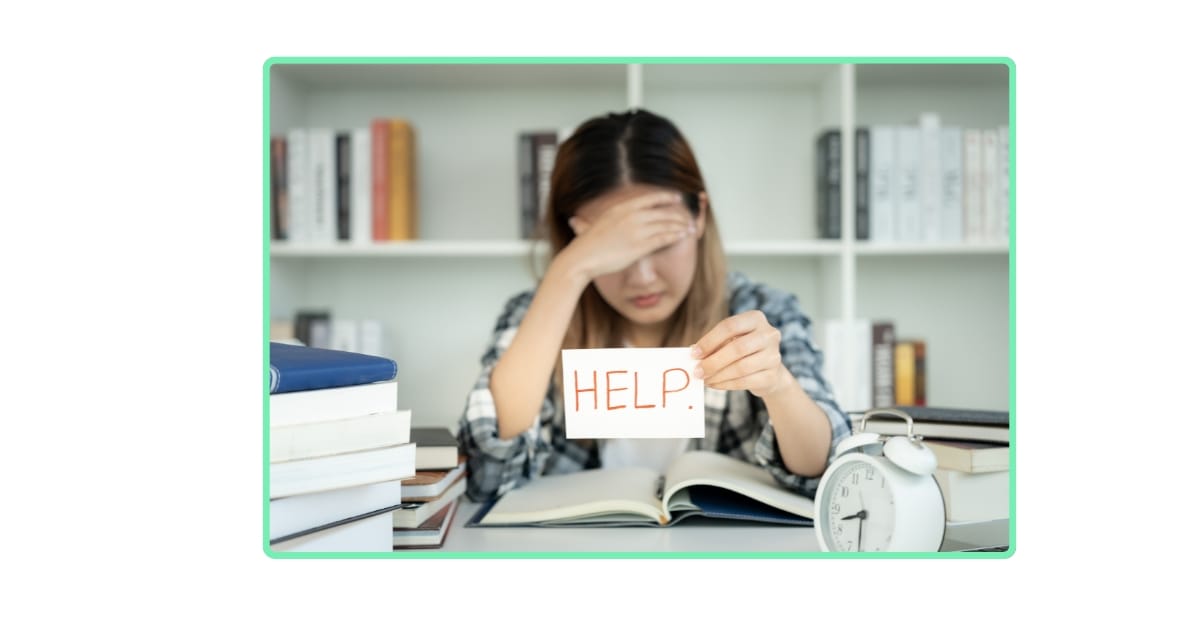
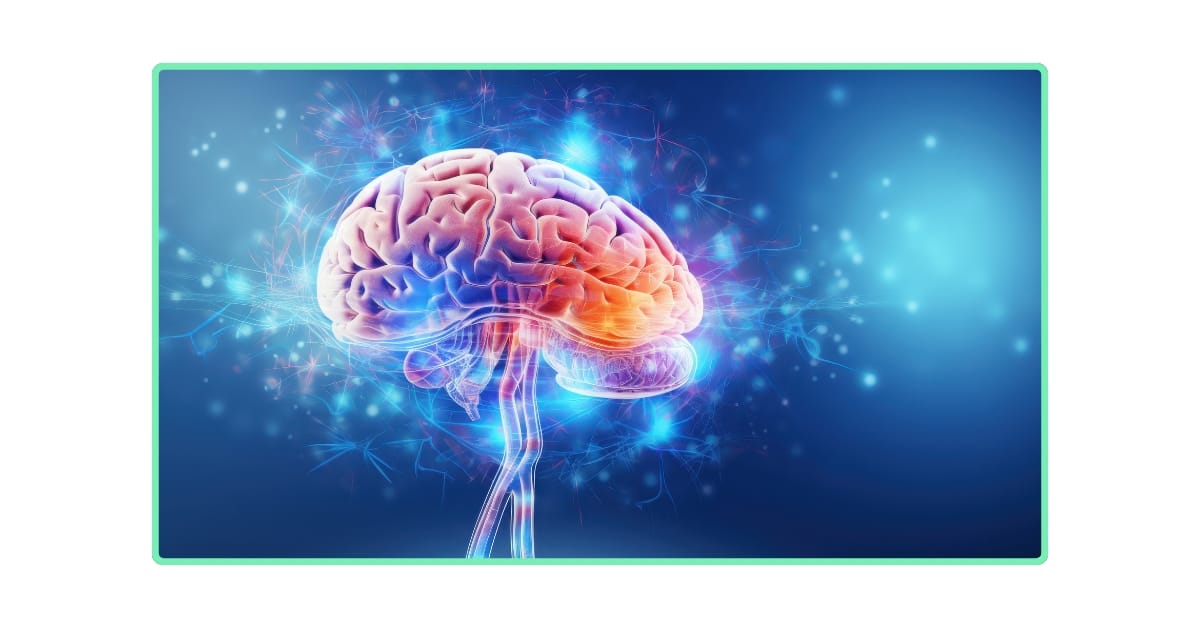
When we face prolonged stress, adversity, or deep loneliness, the brain shifts into survival mode.
Source: Canva Pro, Design: Susanne van de Munt
That moment - the quiet collapse behind your eyes, the tightening in your chest, the sense of being cut off from the world - is not a personal failure.
It is the brain’s natural protection. When we face prolonged stress, adversity, or deep loneliness, the brain shifts into survival mode. The emotional centers become more alert, and the parts responsible for clarity and perspective temporarily step back. When we experience chronic stress, trauma, or prolonged isolation, the brain shifts into protection mode.
→ The amygdala becomes hyper‑alert, scanning for danger.
→ The prefrontal cortex - the part responsible for clarity, decision‑making, and perspective - goes dim.
→ The nervous system pulls us inward, not because we’re broken, but because it’s trying to keep us safe.
→ Your brain isn’t betraying you. It’s trying to shield you.
Here is the part that matters most: the same brain that pulls you inward also has the capacity to reconnect, rewire, and rebuild.
Human neurobiology is adaptive.
Small moments of support, connection, or courage can begin to shift those internal patterns and open the door back to possibility.
Your story doesn’t begin with pain.
It begins with the extraordinary ability of the human brain to rise, reshape, and move forward — even after the darkest moments.
3. The Hidden Toll of Scoliosis: Isolation and Loneliness
Source: Canva Pro
For a long time, I felt like my scoliosis was the root cause of my isolation.
It wasn’t just my back's discomfort or my awareness of how my posture looked in front of others that took a toll-it was the emotional toll it took.
It takes some practice, trial, and error, and self-awareness to be able to recognize the trap, and find the way out.
I became convinced that no one could understand what I was going through. I started pushing people away, believing that no one would want to be around someone so different and imperfect.
There was no emotional support or a good example that would lift me up, and to be honest, I didn't know that I would need one. I thought I wouldn't bother anyone, I can handle everything by myself. I have to be strong and tough. I don't need to talk about my pain, my worries, and my suffering. Why?
People have enough of their worries, so "why should I bother them with my issues?" I didn't see any point there, at all!
The ability to recognize an emotional trap at the spot wasn't granted to me. It was a process of challenging personal growth and underlying changes that took a place in my mindset and approach toward life.
I don't want you to go through the same painful experiences, therefore I began writing about it, sharing my experience, and empowering other people with knowledge from 1st hand. Helping you to grow!
Susanne van de Munt
Diploma Nurse | Healthcare Writer | Scoliosis Warrior
4. What isolation does to your brain
Sorce: Canva Pro, Design: Susanne vd Munt
"It turns out, loneliness, much like scoliosis, can distort our perception of reality. It’s not just about being physically alone; it’s about what happens in our brain when we believe that we are."
The brain of someone who feels isolated starts to spiral, magnifying every flaw, every mistake, and every moment of discomfort. It becomes easy to fall into the trap of thinking that our experiences are unique—and that no one could ever truly relate to what we're going through.
That is a trap!
You take feelings of pain and discomfort as your second skin, you create your day and your routine and your whole story around it. and you make it as "normal" as possible to believe it.
Your brain believes it and certainly creates more connections with pain. Pain is becoming your homeostasis.
5. Homeostasis- what is it?
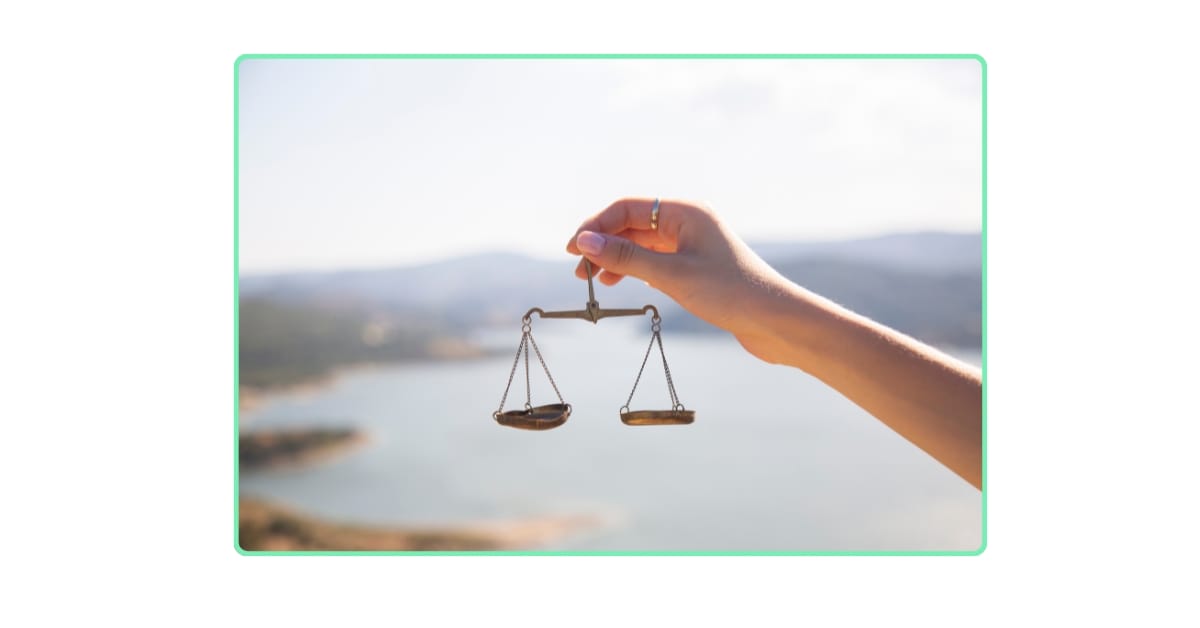
Homeostasis is your body's internal balance system.
Source: Canva Pro, Design: Susanne vd Munt
Think of homeostasis like your body's internal balance system. It's like a thermostat for your body that keeps everything in check-like your temperature, your heart rate, and even your emotions.
When you're suffering from pain, this balance can be thrown off. Just like a broken thermostat, the pain can mess up your body’s attempt to stay balanced. It might make you feel more stressed or anxious because your body is working hard to deal with the pain.
Pain, feelings of pain are becoming your homeostasis.
6. When pain turns inward and eats your vitality
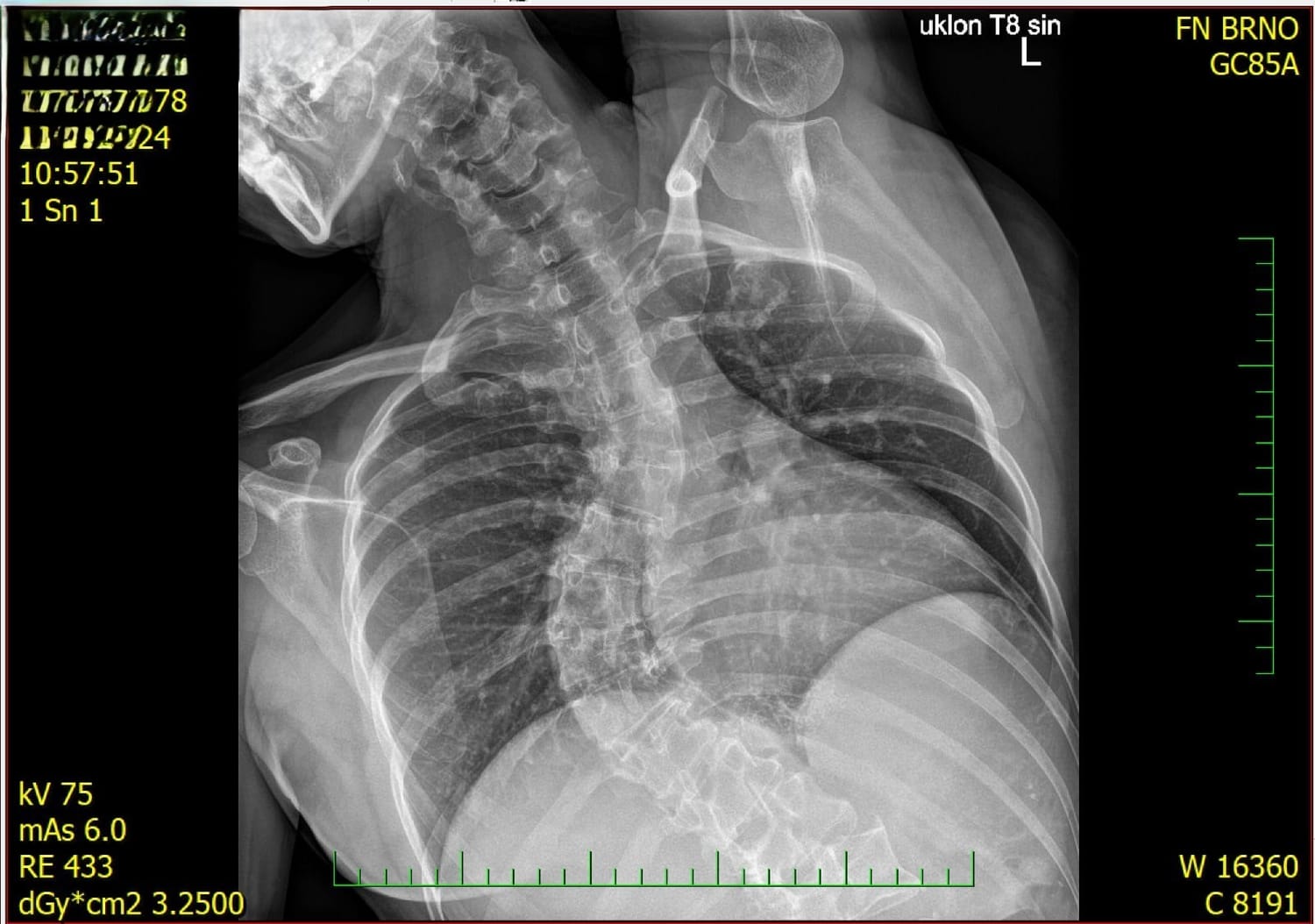
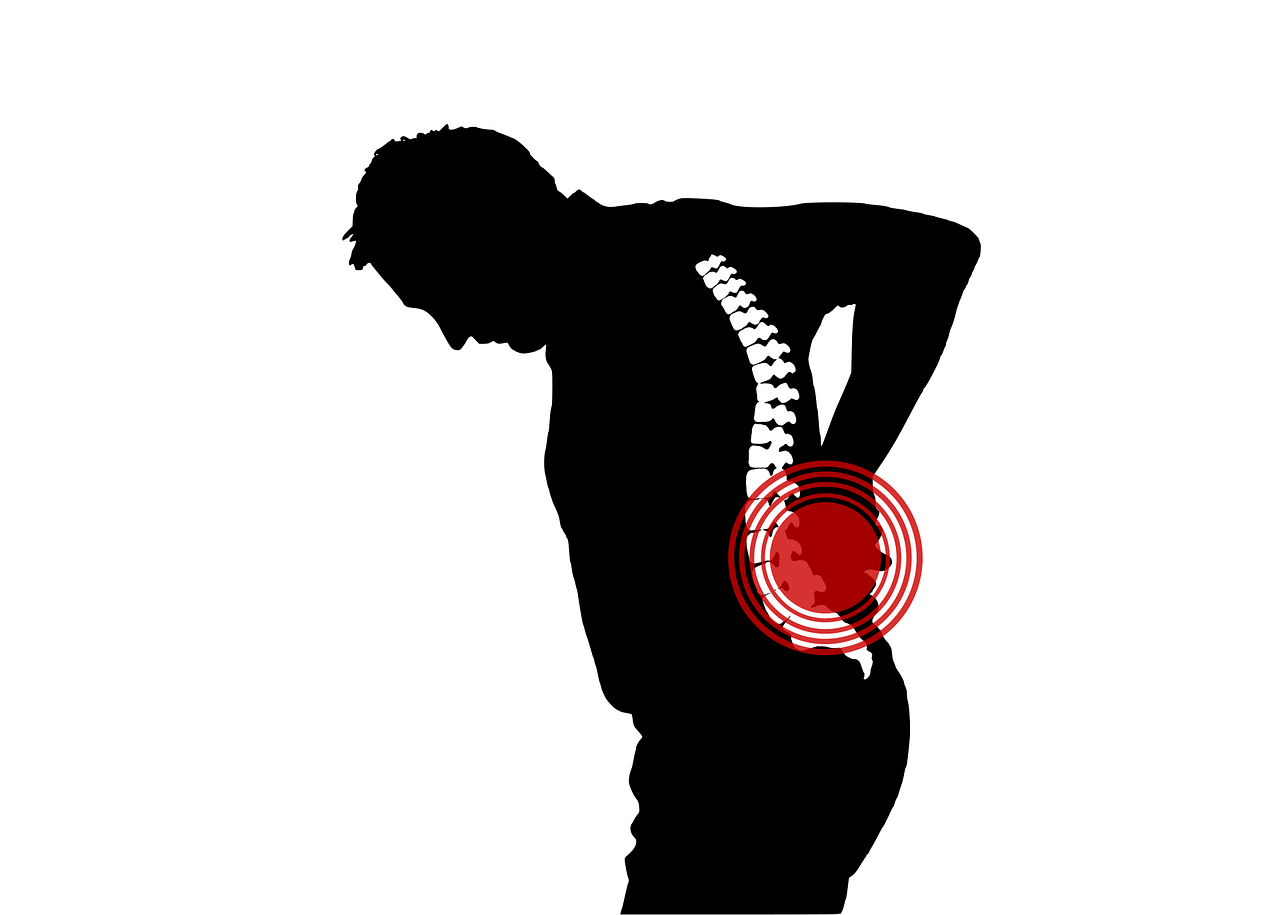
This was me for years. I would look at my crooked spine, my daily struggles, and I’d feel this deep shame well up inside of me. It wasn’t just the physical pain that hurt-it was the emotional weight of feeling less than other people, of believing that I was forever destined to be on the outside, separated from the world because of something I couldn't change.
And so, like many others who feel trapped by their own suffering, I began to isolate myself. I set impossible standards for my relationships, expecting that others should understand my pain without me having to explain it. And when they didn’t? I withdrew even more.
I believed that if they didn’t get it, if they didn’t understand the mental and physical struggle that came with living with scoliosis, then they weren’t worth my time.
This only deepened my sense of isolation, trapping me in a self-fulfilling prophecy that reinforced my belief that I was alone, forever different, and always misunderstood.
7. Understanding the invisible struggles of scoliosis and beyond
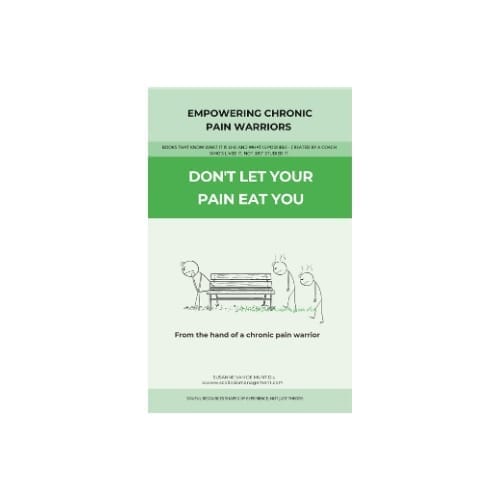
Making Peace with Chronic Pain
We'll begin by acknowledging the reality of chronic pain and exploring strategies for accepting it without surrendering to it. Available in the Chronic pain Warriors Academy & Library
There came a point where I realized that the isolation I was experiencing wasn’t due to my scoliosis alone-it was because I wasn’t allowing myself to see beyond my own painfully created perspective.
Like the brain of someone caught in the grip of loneliness, I started to believe that no one could understand my struggles. I convinced myself that my situation was unlike anyone else’s, but the reality was that I wasn’t alone in my pain. Everyone faces challenges, and many of them are just as visible or painful as scoliosis.
When I started to be willing to open up, and to share my story; I realized that so many people were suffering in ways that weren’t immediately obvious to the outside world.
Once I understood this, something shifted in me.
I stopped holding my friends and acquaintances to unreasonably high standards. I began to let go of the expectation that everyone around me should “get it.”
Instead, I focused on being present, both for myself and for others who have been suffering challenges with chronic pain. People started to ask me how I handle my suffering, how I handle pain, and I started to talk to them. I started to share my story, step by step, I came out of the shell that I created myself based on wrong mental patterns and beliefs. I was not ashamed of my disability any more. I use it as empowerment and strength nowadays. Read more here..
I started to share 1st hand information through the blog that I actually created myself with all technical details, which I am really proud of myself :-> I created several e-book about handling chronic pain and all related health issues. I started to mentor others, and speak publicly about resilience and strength of disabled people. I begin to add value to the society I live in through my voice and presence.
My voice is bold, human, and grounded in reality — not theory. I speak from the lived experience of navigating a world not built for me… and rising anyway. That perspective allows me to guide organizations with clarity, empathy, and strategic depth.
Here’s the truth I’ve learned:
"Our pain, no matter how unique it feels in the moment, is NOT something we need to suffer in silence."
Susanne van de Munt Dis
Diploma Nurse | Healthcare Writer |
Scoliosis Management
✔️ Trauma-informed | ✔️ Lived Experience | ✔️ Medical + Emotional Intelligence
My work reframes disability as a powerful and often overlooked dimension of human diversity. As someone living with disability myself, I bring a rare combination of lived experience, professional expertise, and global perspective to conversations about resilience, inclusion, and the future of human potential.
My core belief: “Disability Is Diversity” challenges outdated assumptions about strength and ability. Disabled people are not symbols of limitation.
We are masters of adaptation, innovation, and resilience.
And when organizations learn from this lived wisdom, they unlock a blueprint for the kind of strength the modern workplace urgently needs.
8. From Loneliness to Connection: Embracing Imperfections Together
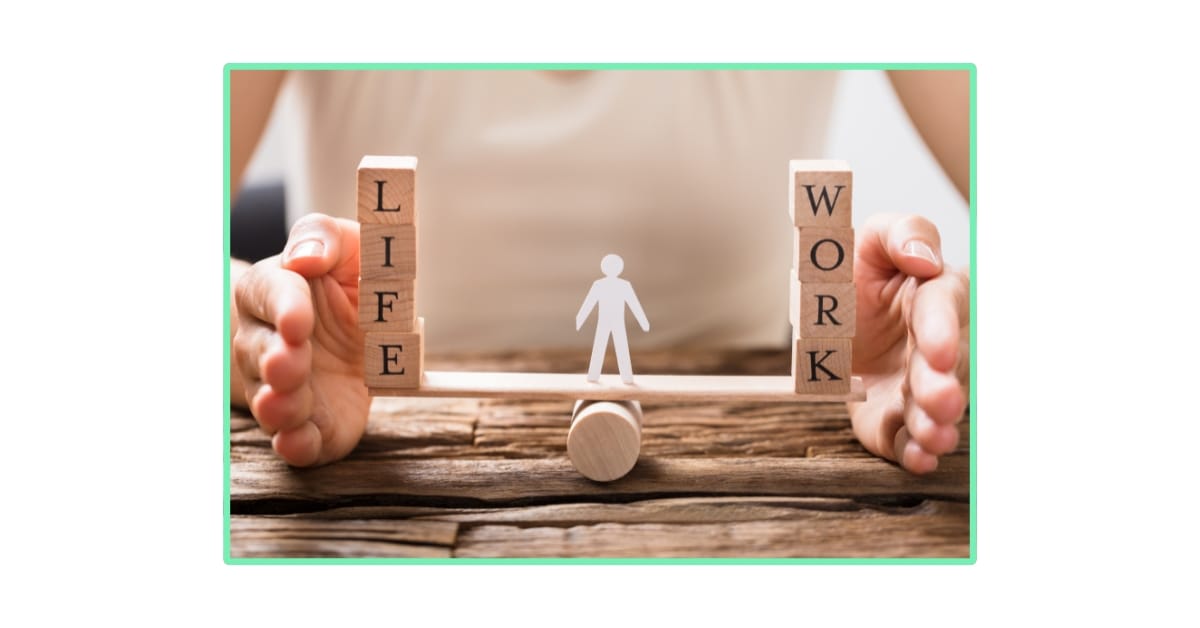
The key to breaking free from the loneliness of any challenge, is perspective. Changing the point of view is a first step. Learning it from someone who did the job, already, is perfect for you. I assure you, you are good here.
I realized that by connecting with people, not to be fixed, but simply to share and support, I could break the cycle of isolation. I do not need to be fixed, I am an expert in emotional and mental stability, when things get tough, I've got discipline, resilience, a strategic mind, and plenty of inspiring examples that can take you from being in "dark blue" into "count your blessings".
The key to breaking free from the loneliness of scoliosis (or any challenge, really) is perspective. I mean that little window you look through and judge your circumstances upon. When I began to see that others were also carrying their own burdens, I stopped seeing myself as a victim of my condition. It was a challenging process right from the start, much like being an inexperienced driver behind the wheel.
It has taken some time and experience to change my little window of pain into a big screen of understanding the circumstances behind it. I understood that, just as I had the power to transform my own experience, so too did others.
There’s incredible strength in shared experience, in recognizing that we are all imperfect, we are all struggling, but we don’t have to do it alone.
What I’ve come to understand is that isolation feeds on shame and self-doubt. When we keep our struggles hidden, we allow those feelings to grow unchecked, but when we share our stories, we free ourselves from their grip.
Just like with scoliosis, healing doesn’t come from hiding; it comes from learning to stand tall, even in the face of discomfort, and realizing that we are worthy of connection, exactly as we are.
9. From isolation to empowerment: Embrace your story and connect
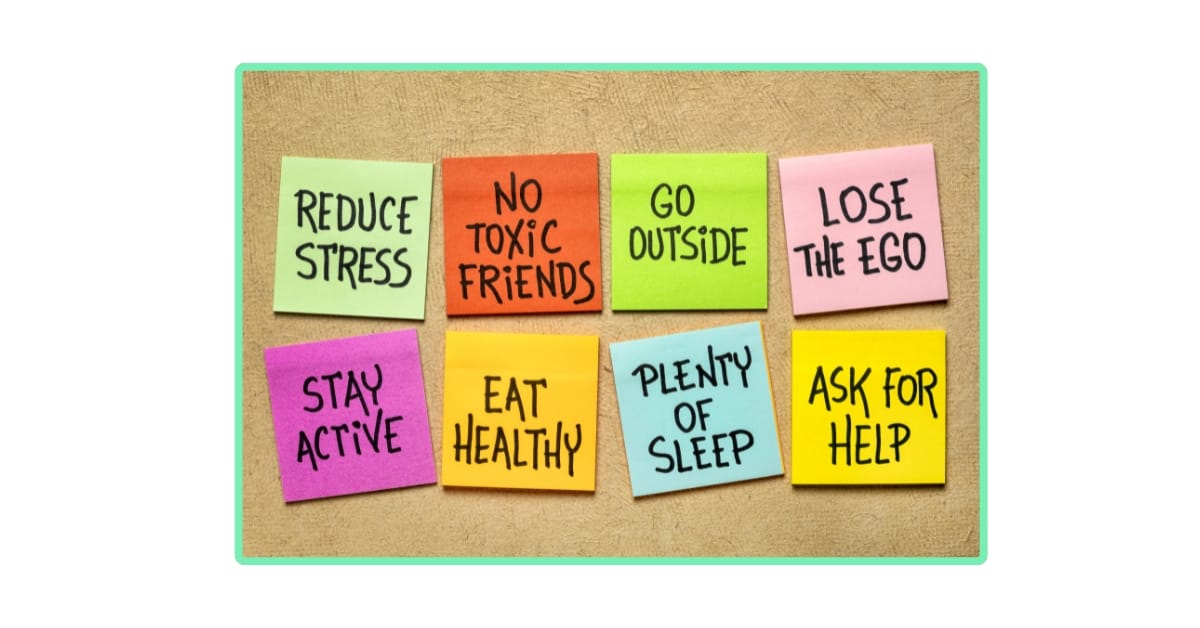
You are the hero of your story, not a victim!
Source: Canva Pro, Design: Susanne vd Munt
So if you’re reading this, feeling weight-down or isolated by your own challenges, I want you to know this:
There is hope.
There is healing.
You are not alone, and your story, your struggles - are worth sharing. You can inspire somebody else to rise up. Isn't that great?
°°° Disability taught me that real strength isn’t forged in dramatic breakthroughs — it’s built in the quiet, ordinary moments where you choose to keep going.°°°
The more we allow ourselves to be vulnerable, the more we break down the walls of isolation and build bridges to others. Whatever you’re facing, whether it’s scoliosis or anything else, there is a way forward. Take the first step-reach out, connect, and know that by doing so, you’re not just healing yourself, but helping others heal too.
You are the hero in your own story, and it’s time to let the world see you for who you truly are: strong, resilient, and worthy of all the love and connection the world has to offer.
I believe in your ability to heal your perspective and your world!
Written by: Susanne van de Munt Dis
Diploma Nurse | Healthcare Writer | Scoliosis Management
Soulful resources created by someone who has walked the path and writes to light yours.
✔️ Trauma-informed | ✔️ Lived Experience | ✔️ Medical + Emotional Intelligence
Susanne van de Munt DiS
FOUNDER-DISABILITY & INCLUSION
HEALTHCARE WRITER
My core belief: “Disability Is Diversity” challenges outdated assumptions about strength and ability.
Disabled people are not symbols of limitation that society needs to "somehow" accommodate.
We are masters of adaptation, innovation, and resilience.
We don't break up at the first inconvenience.
When society finally comprehends this, we can build a stronger, braver, more compassionate society.
This project is shaped by lived experience and sustained by your support. Every book purchased and service booked contributes to a mission led by a coach living with physical disability. Your support helps amplify a message built from resilience, compassion, and shared healing.
Thank you.
Susanne van de Munt
My mission is simple:
To shift the global mindset from seeing disability as a deficit to recognizing it as a source of innovation, leadership, and human evolution.
The information provided on this website is for educational and informational purposes only and does not constitute medical advice or a substitute for professional healthcare. Individuals are strongly encouraged to consult with a qualified healthcare provider before undertaking any exercise regimen, nutritional changes, or treatment for scoliosis or chronic pain. Proper medical evaluation and guidance are essential to ensure safety and effectiveness.
All rights reserved © 2025 www.scoliosismanagement.com
Susanne van de Munt Dis