DISABILITY & RESILIENCE, AND THE FUTURE OF HUMAN POTENTIAL
"BODY AWARENESS - MENTAL HEALTH - EMOTIONAL INTELLIGENCE "
This is more than a website - it’s a movement.
I explore scoliosis, chronic pain, disability, and inclusion through lived experience and neuroscience.
Redefining Disability. Reclaiming Strength. Rewriting the Story.
Living with scoliosis-basic facts
1. SCOLIOSIS FACTS
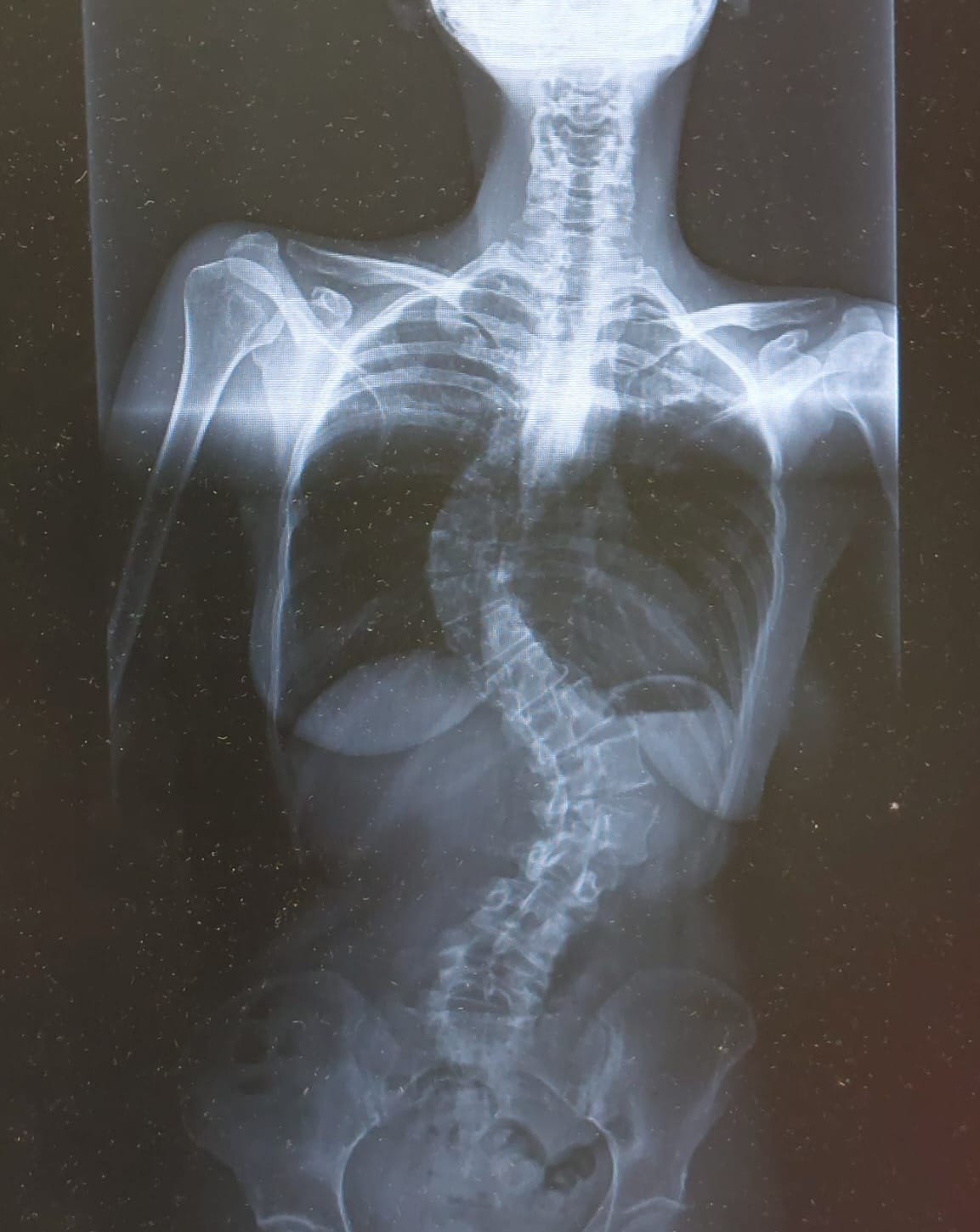
Archiv: Susanne vd Munt
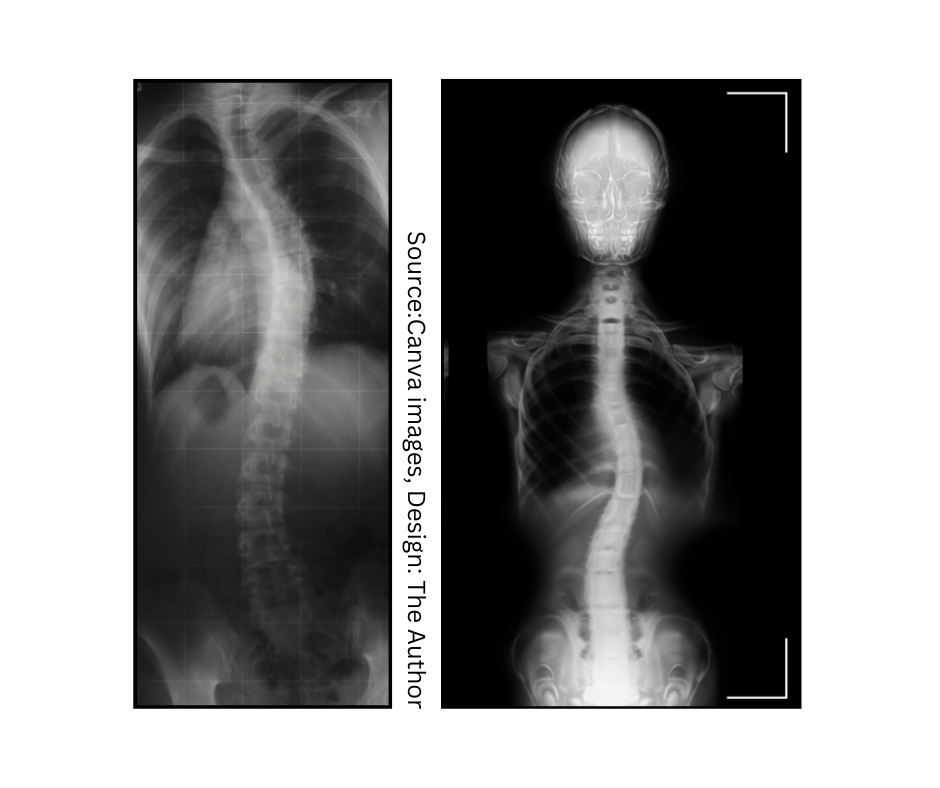
Scoliosis is an abnormal curvature of the spine. In other words; the spine naturally has a slight forward and backward curve. With scoliosis, your spine curves to the left and right into a C or S shape.
2. SCOLIOSIS CLASSIFICATION
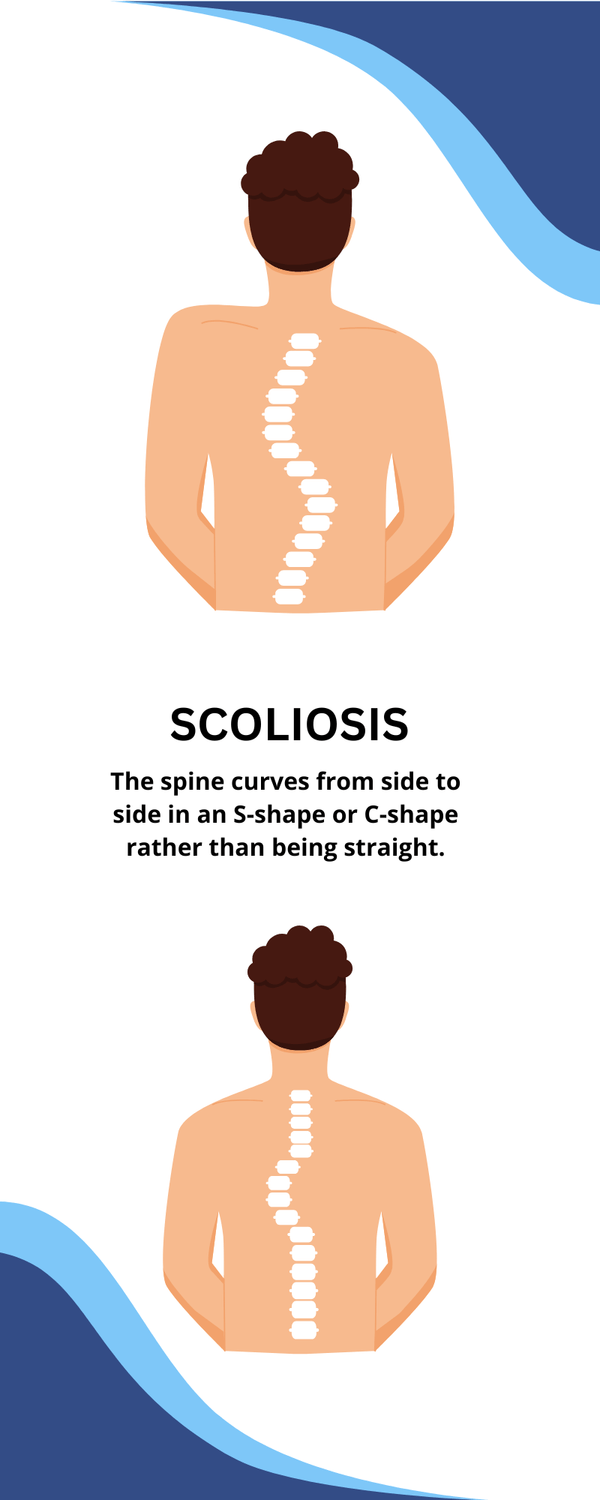
Scoliosis is a three-dimensional deformity of the spine that, based on the age of the first detection, is defined as infantile(up to three years), juvenile (from three years to puberty), or adolescent (from puberty to complete bone maturity).
This classification helps in understanding the progression and management of the conditions.
Infographic: The author
I will keep it as simple as possible for readers who do not like overcomplicated medical terms. So, bare with me here as there are three more types of scoliosis:
3. TYPES OF SCOLIOSIS
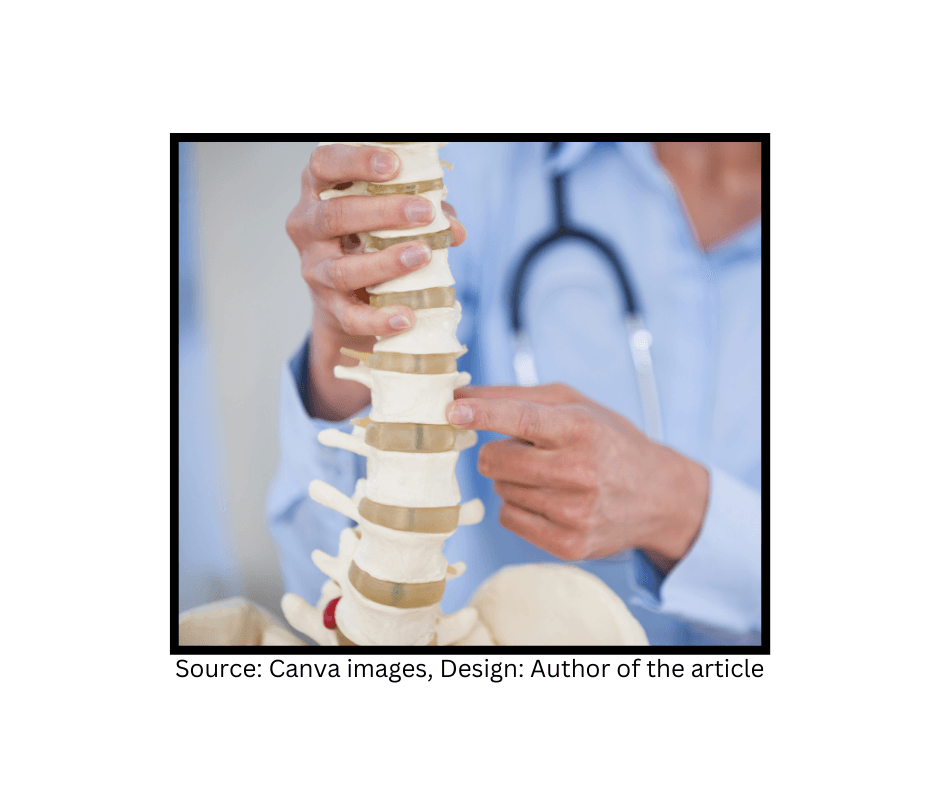
Idiopathic scoliosis: This is the most common type. “Idiopathic” means the cause is unknown. Scientific researches indicate that it runs in families and has a genetic (hereditary) link. However, in my case, there was no evidence in my family.
Congenital scoliosis: This is a rare spine abnormality that MD may detect at birth or before that. It occurs when vertebrae (the bones that make up your spine) don’t form as they should during embryonic development.
Neuromuscular scoliosis: Abnormalities in the muscles and nerves that support your spine cause this type. It usually happens alongside neurological or muscular conditions like an injury, cerebral palsy, spina bifida or muscular dystrophy.
Over 80% of scoliosis cases are diagnosed during adolescence,a critical period of rapid growth and development. This condition affects approximately 3% of the population, with a higher prevalence in females, accounting for seven out of ten cases. Severe scoliosis is rare, occurring in less than 0.5 per thousand individuals.
In 80–85% of cases, scoliosis is termed "idiopathic," meaning the cause is currently unknown. The remaining cases are secondary to other conditions such as neurological, congenital, metabolic, and other diseases. This distinction is crucial for determining the appropriate treatment approach.
4. SCOLIOSIS SYMPTOMS
In my case, no one had such a case or physical disorder. However, if a family member has scoliosis, there is a higher possibility that other relatives may also develop the condition, with varying degrees of severity. Therefore, it is essential to monitor children for early signs of scoliosis symptoms.
What are the symptoms of scoliosis?
Scoliosis usually doesn’t cause heavy symptoms at the very beginning. However, as the body ages, symptoms may include the following symptoms and unfortunately, it gets worse with age:
Severe back pain
Difficulty standing upright
Core muscle weakness
Leg pain, numbness or weakness
Scoliosis usually develops during periods of rapid growth and can worsen until bone maturation is complete, with a peak incidence at the onset of puberty.
In medical terms, if the spinal curvature exceeds certain thresholds (often over 30°, and almost always over 50°), the progression may continue even after growth has ceased. In older adults, scoliosis can lead to a pronounced curvature, reminiscent of the hunchback of Notre Dame or the witch in Snow White :-| unfortunately.
5. SIGNS OF SCOLIOSIS
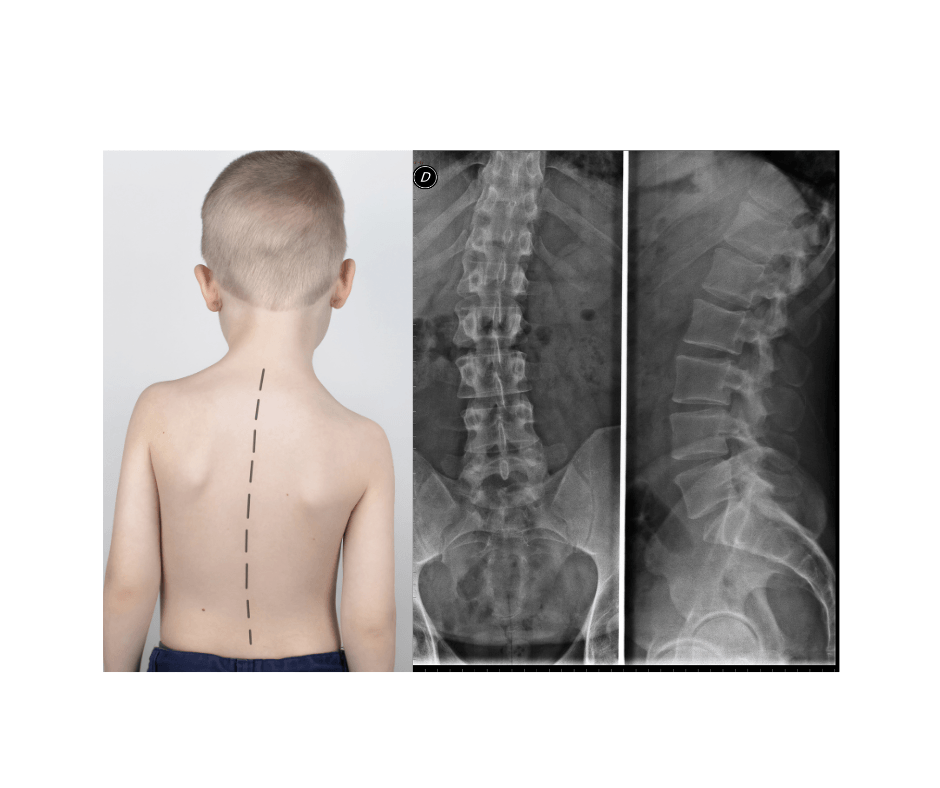
A kid with scoliosis
Source: Canva Pro, Design: Susanne vd Munt
Most cases of scoliosis are mild, don’t cause symptoms and don’t need treatment. Severe cases such as mine, can cause uneven posture and pain that get worse by aging and at some point it stays like an uninvited guest.
My mum had a great ability to look at a woman's body shape and suggest a dress cut that would amplify her beauty or hide somebody's flaws. she spotted that at the age of 6, modest-tiny changes on my body such as slightly uneven shoulders and shoulder blades sticking out, that no one else could see at the time.
I was a thin and small child anyway, and MD didn't see it as anything dangerous at the time, there was no evidence of scoliosis in my family, but he kept me in his evidence for further control because my mum insisted.
Over time, you may notice this, and I unfortunately tick all points stated below.
Signs of scoliosis may include:
Uneven shoulders
Shoulder blades that stick out
Head that doesn’t center above your pelvis
Uneven waist
Elevated hips
Constant leaning to one side
Uneven leg length
Changes in skin appearance or texture (dimples, skin discoloration). These occur on your back along your spine
Height loss
Uneven alignment of your pelvis and hips
6. SCOLIOSIS THERAPY
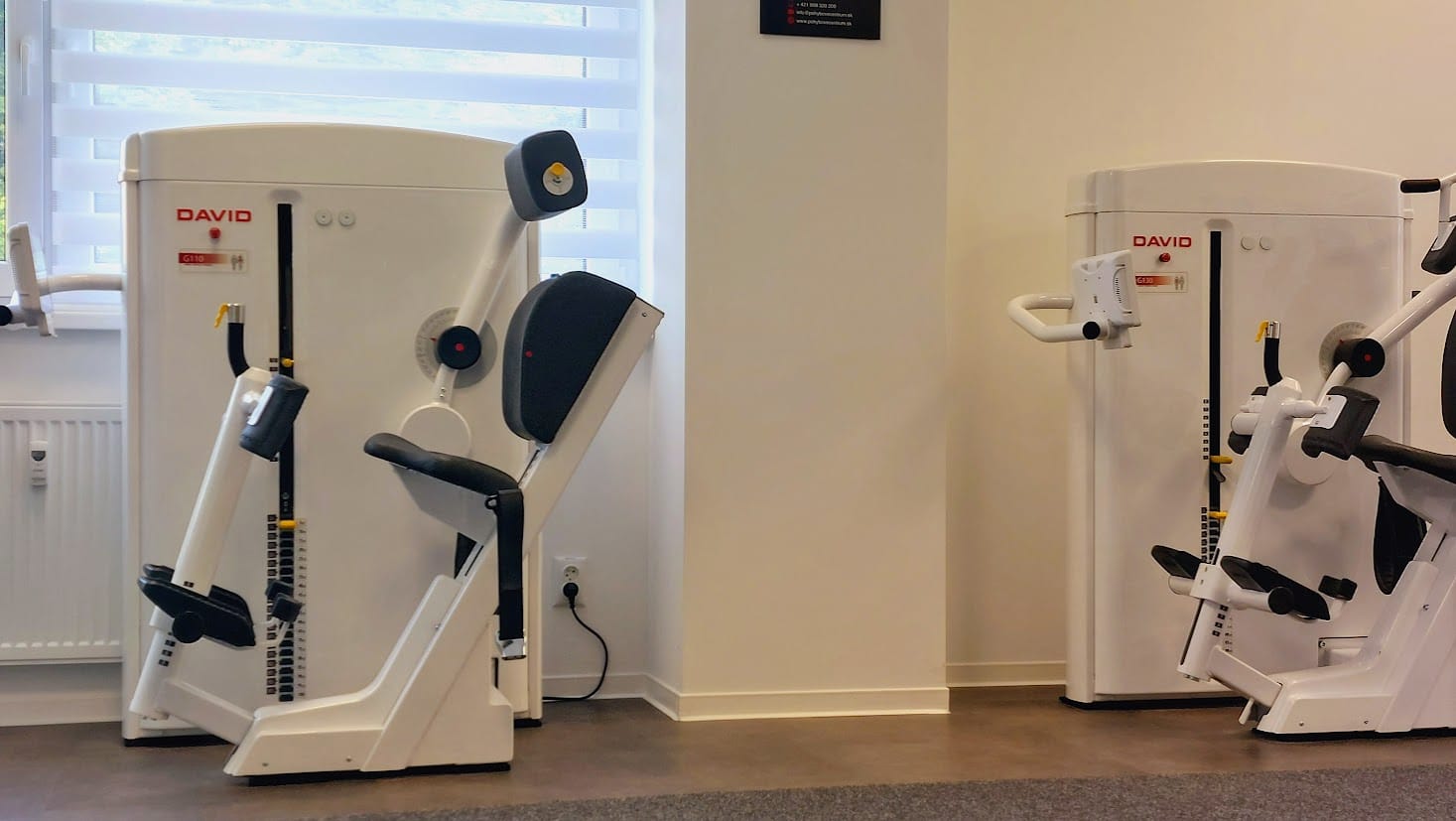
A pic from data-driven physical therapy that I committed myself to. Read here
Archiv: Susanne van de Munt
While scoliosis cannot be completely cured, the aim is to manage the condition effectively. Healing, in the strictest sense, would mean returning the spine to zero degrees of curvature, which is exceptionally rare.
Instead, focusing on achieving a slight curve that allows for a functional and healthy life is a much better window of a sustainable perspective for everyone.
The purpose of rehabilitation treatment (with exercises and/or bracing) is to obtain a spine that allows good functionality in adulthood in the context of a well-developed body and psyche.
Scoliosis should be treated one step at a time, the difficulty is to start from the right one. It will affect the child's daily routine in such a way that it can be hard for a parent to deal with.
Simply because the child wants to play and doesn't want to be different than other children with you can't that and this and you have to go and exercise now to keep your spine healthy and you have to do it regularly.
It is tremendous pressure for a child and it has to be addressed adequately so your child understands it. Believe me, I know what im talking about here :-} I was a child too.
"My Pro Tip:
Find a healthcare provider or physician who specializes in juvenile scoliosis and enroll your child in weekly exercise sessions with other children who have similar diagnoses."
Susanne van de Munt
7. PERSONAL EXPERIENCE
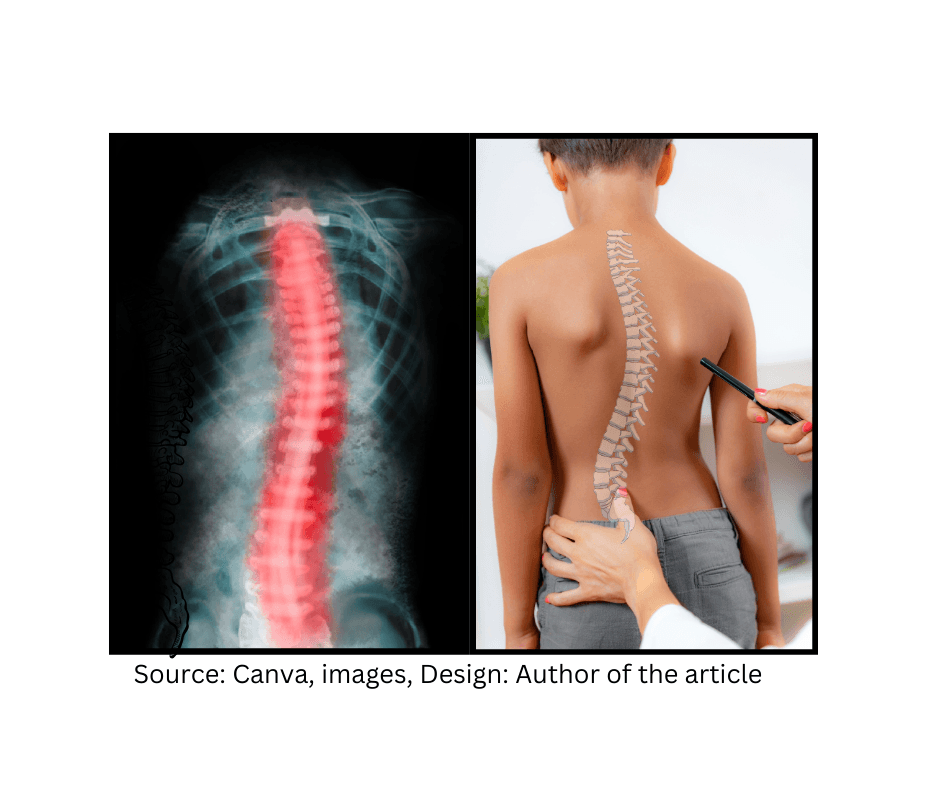
Unfortunately, I didn't have this option at the time, but now I realize it would have significantly improved my child's understanding and motivation to consistently follow their physical therapy routine.
If scoliosis worsens at any point, there are two main options: surgical intervention or the initiation of regular, specific exercises to maintain stability.
The first step of a scoliosis diagnosis is a scoliosis screening. You may remember getting a scoliosis screening during a pediatric wellness visit with your child's primary care physician. Early detection and intervention are key to managing scoliosis effectively.
Regular physical activity, proper posture, and ergonomic practices can significantly contribute to spinal health.
8. STAYING INFORMED - A KEY TO MANAGE SCOLIOSIS
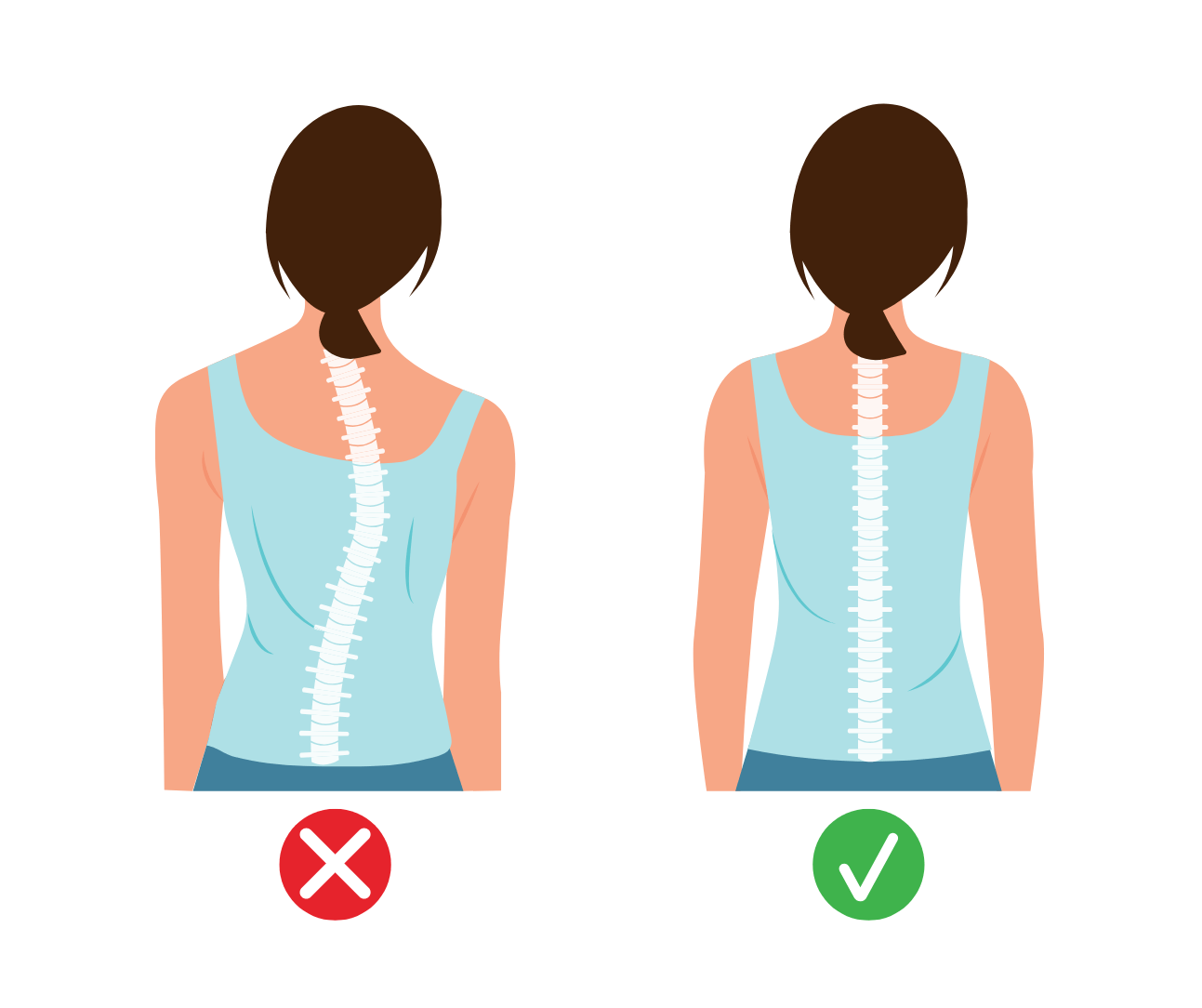
Source: Canva Pro, Design: Susanne vd Munt
"Healing, in the strictest sense, would mean returning the spine to zero degrees of curvature, which is rare. In other words, impossible."
Susanne van de Munt
DIPLOMA NURSE | HEALTHCARE & LIFESTYLE WRITER | SCOLIOSIS WARRIOR
SCOLIOSIS MANAGEMENT
Scoliosis can change the way your body looks depending on the degree of the spinal curve. This might be challenging for your emotional well-being.
Being a woman, caretaker, and kind soul, it is especially hard to see your own body changing, compressing, and bringing you pain and discomfort that no one feels and understands. Leaving you to deal with this issue on your own. There is not a manual that somebody gives you and you feel better afterward.
Yes, medical personnel are trained to help you out with some knowledge and techniques, but it is you who needs to be focused and disciplined on the highest level and implement that into your daily weekly routine. Sometimes it is simply trial and error.
Also, you need to remember that as the body changes, some techniques that were okay half a year ago, don't work for you now. that. Don't be hard on yourself. Allow yourself to breathe and listen to your body's needs.
Based on my real-life experience, this is a favorite chapter of mine and I will address some important knowledge and know-how to this often overlooked point in a complex way. In the meantime, read more about how I handle a chronic pain management.
Susanne van de Munt DiS
FOUNDER-DISABILITY & INCLUSION
HEALTHCARE WRITER
My core belief — “Disability Is Diversity” — challenges outdated assumptions about strength and ability.
Disabled people are not symbols of limitation that society needs to "somehow" accommodate.
We are masters of adaptation, innovation, and resilience.
We don't break up at the first inconvenience.
When society finally comprehends this, a stronger, braver, more compassionate society can be built.
"girl in the brace who refuses to break"
UNCOVER A CHALLENGING LIFE STORY
Say yes to the journey.
Pre‑sign up now for ''Girl in the brace who refuses to break'' and get early access to the book, exclusive insights, and a first invitation into a community built for people who rise differently.
Your next chapter starts the moment you join.

My voice is bold and authentic. I talk about my errors and triumphs, resilience, discipline, old beliefs, and new beginnings.
Life is not a dress rehearsal.
There are no second takes.
And the only moment guaranteed to you is the one you’re holding right now.
So step into it — imperfect, unready, and fully alive.

This project is shaped by lived experience and sustained by your support. Every book purchased and service booked contributes to a mission led by a coach living with physical disability. Your support helps amplify a message built from resilience, compassion, and shared healing.
Thank you.
Susanne van de Munt
My mission is simple:
To shift the global mindset from seeing disability as a deficit to recognizing it as a source of innovation, leadership, and human evolution.
The information provided on this website is for educational and informational purposes only and does not constitute medical advice or a substitute for professional healthcare. Individuals are strongly encouraged to consult with a qualified healthcare provider before undertaking any exercise regimen, nutritional changes, or treatment for scoliosis or chronic pain. Proper medical evaluation and guidance are essential to ensure safety and effectiveness.
All rights reserved © 2025 www.scoliosismanagement.com
Susanne van de Munt Dis