DISABILITY & RESILIENCE, AND THE FUTURE OF HUMAN POTENTIAL
"BODY AWARENESS - MENTAL HEALTH - EMOTIONAL INTELLIGENCE "
This is more than a website - it’s a movement.
I explore scoliosis, chronic pain, disability, and inclusion through lived experience and neuroscience.
Redefining Disability. Reclaiming Strength. Rewriting the Story.
How manganese deficiency influences formation of scoliosis + scientific research
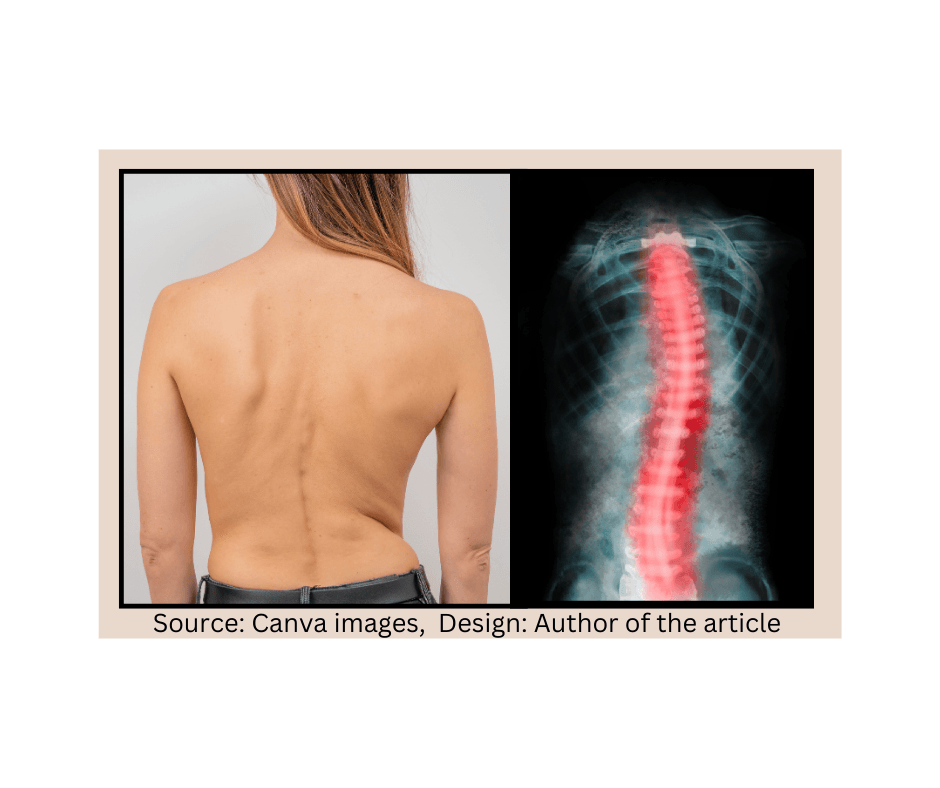
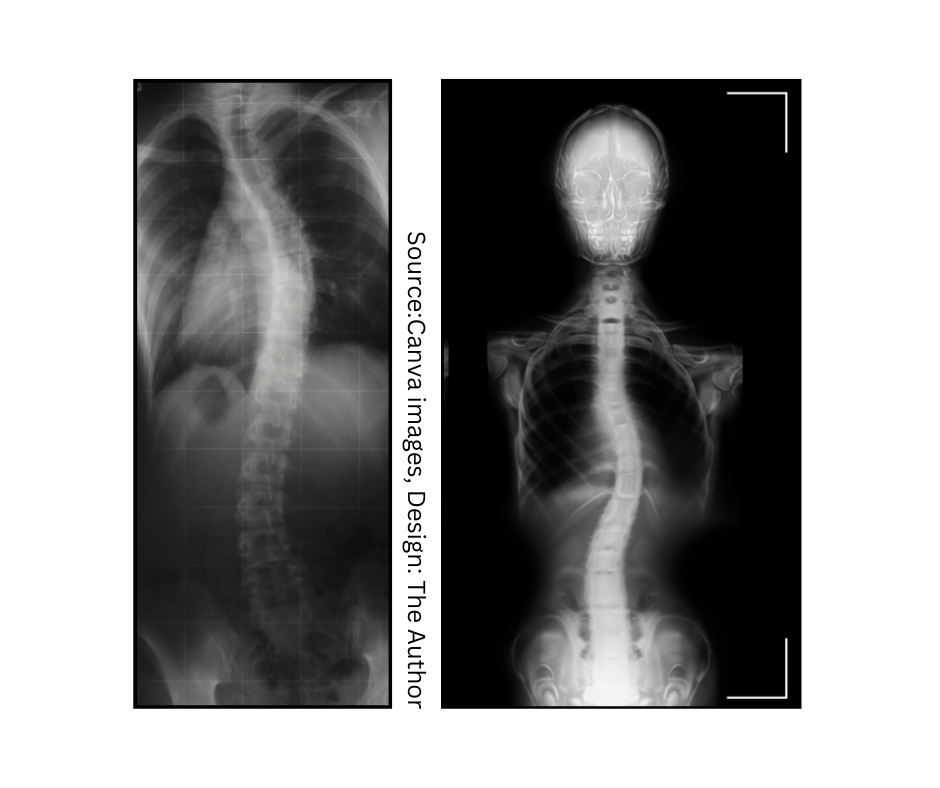
Each year, approximately 3 million new cases of scoliosis are identified. The majority are mild, requiring only regular monitoring by doctors.
1. Manganese or Magnesium?
Researchers at Washington University School of Medicine in St. Louis have discovered a potential link between the body's use of the mineral manganese and severe cases of scoliosis-a condition where the spine curves abnormally. Learn about early signs of scoliosis here.
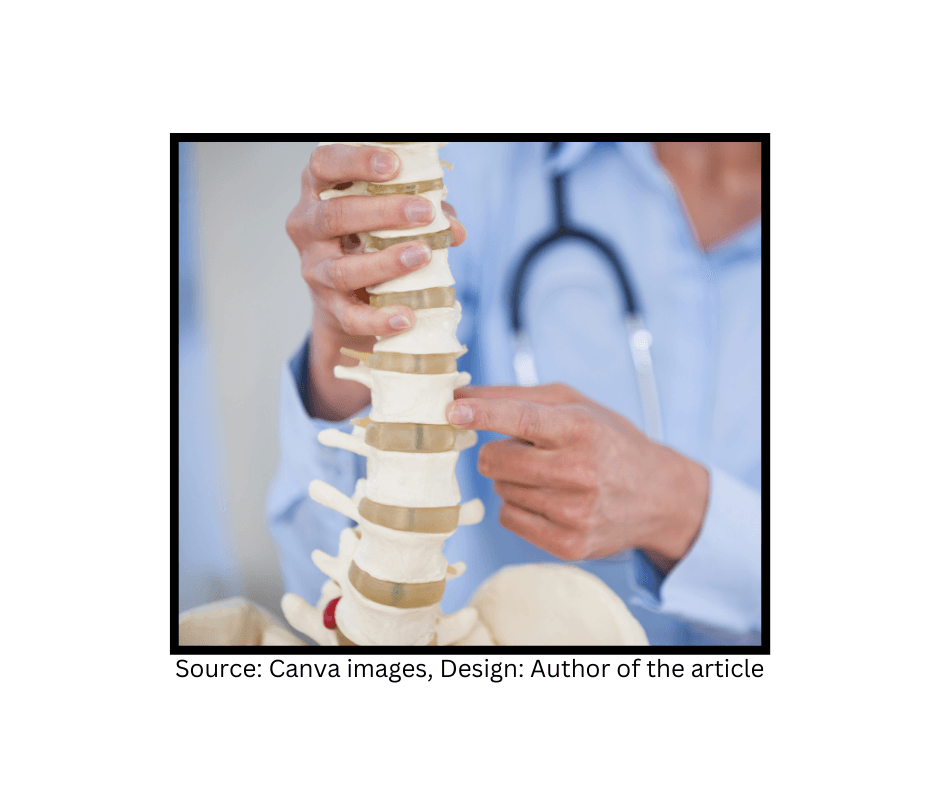
Do not get confused by Magnesium and manganese. Although they are both essential minerals, they play different roles in your body, and you need different amounts of them.
2. What is Manganese?
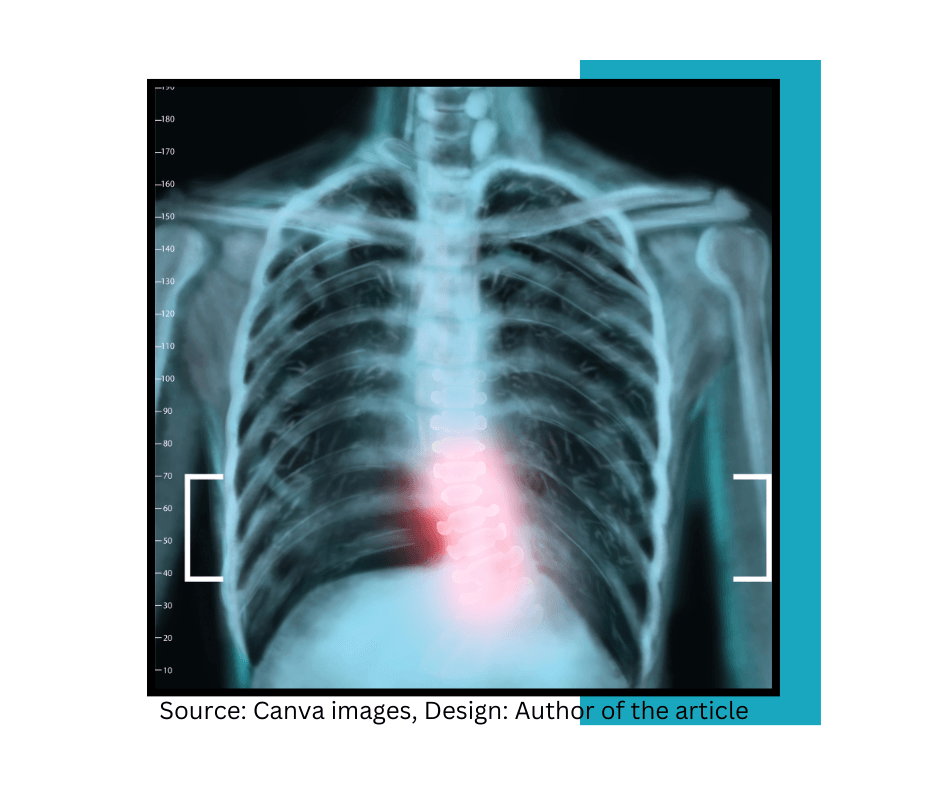
Manganese is a trace mineral or micromineral. Although we don’t need a lot of it, it’s vital to get enough of it because your body requires it for many different processes. Researchers from Washington University School of Medicine in St. Louis found that Manganese plays a huge role in bone tissue formation suggesting that difficulties in processing this mineral might contribute to the onset of severe spinal curvature that we know as scoliosis.
The study found that children with severe scoliosis are twice as likely to carry a gene variant SLC39A8that hinders their cells from absorbing and utilizing manganese effectively.
3. How much Manganese mineral do you need?
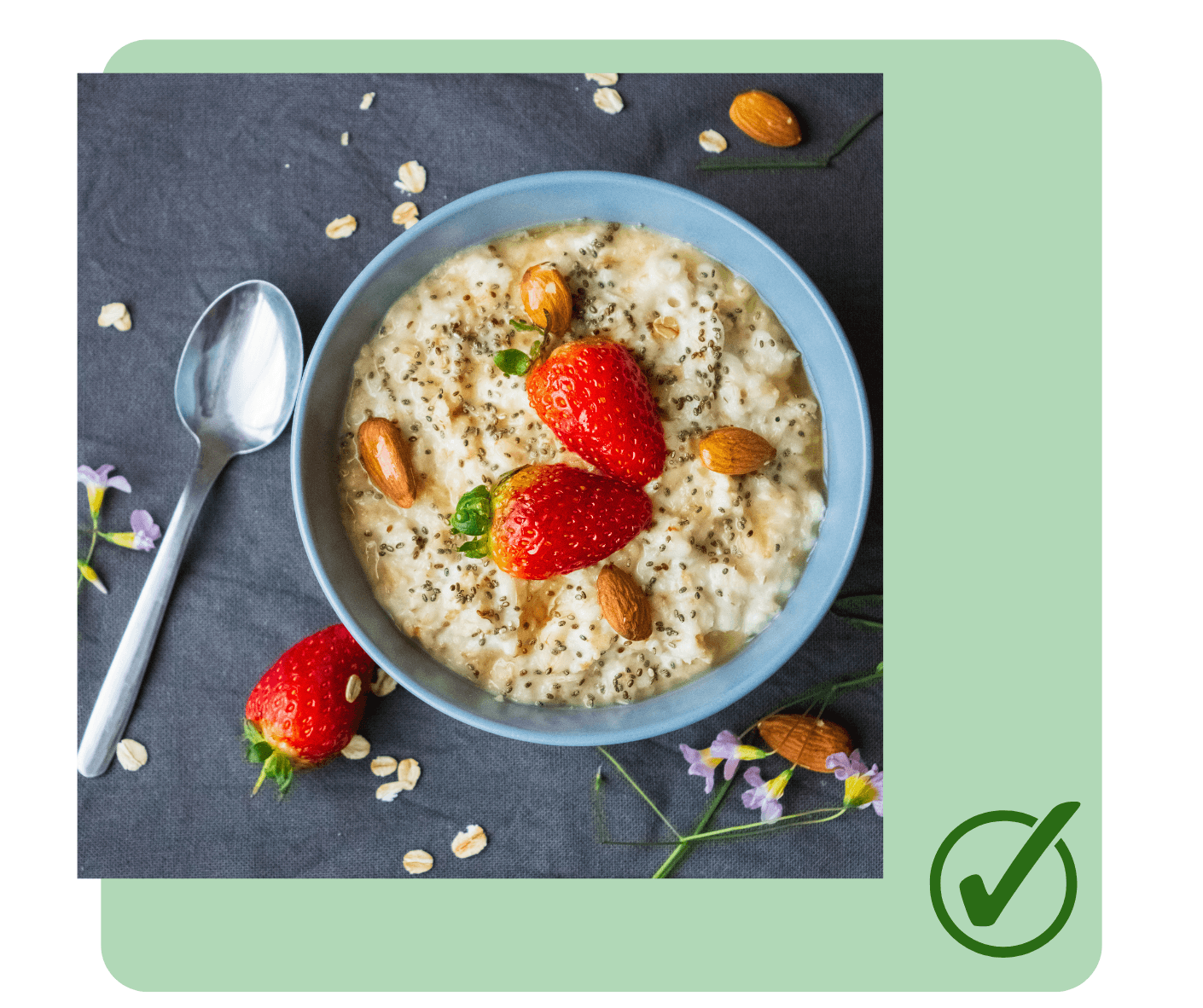
Oatmeal is a great source of trace minerals
Source: Canva Pro, Design: Susanne vd Munt
Most people get enough through food. For example, if you ate one slice of whole-wheat bread, or a half-cup of oatmeal, and a half-cup of brown rice, you’d meet the manganese requirement for the day. Based on my nutrition preferences, it is manageable.
Keep in mind that wholegrain food, alongside other listed goods, holds plenty of other essential minerals too, responsible for healthy growth and a vital lifestyle at any age.
4. How Manganese deficiency influences formation of Scoliosis
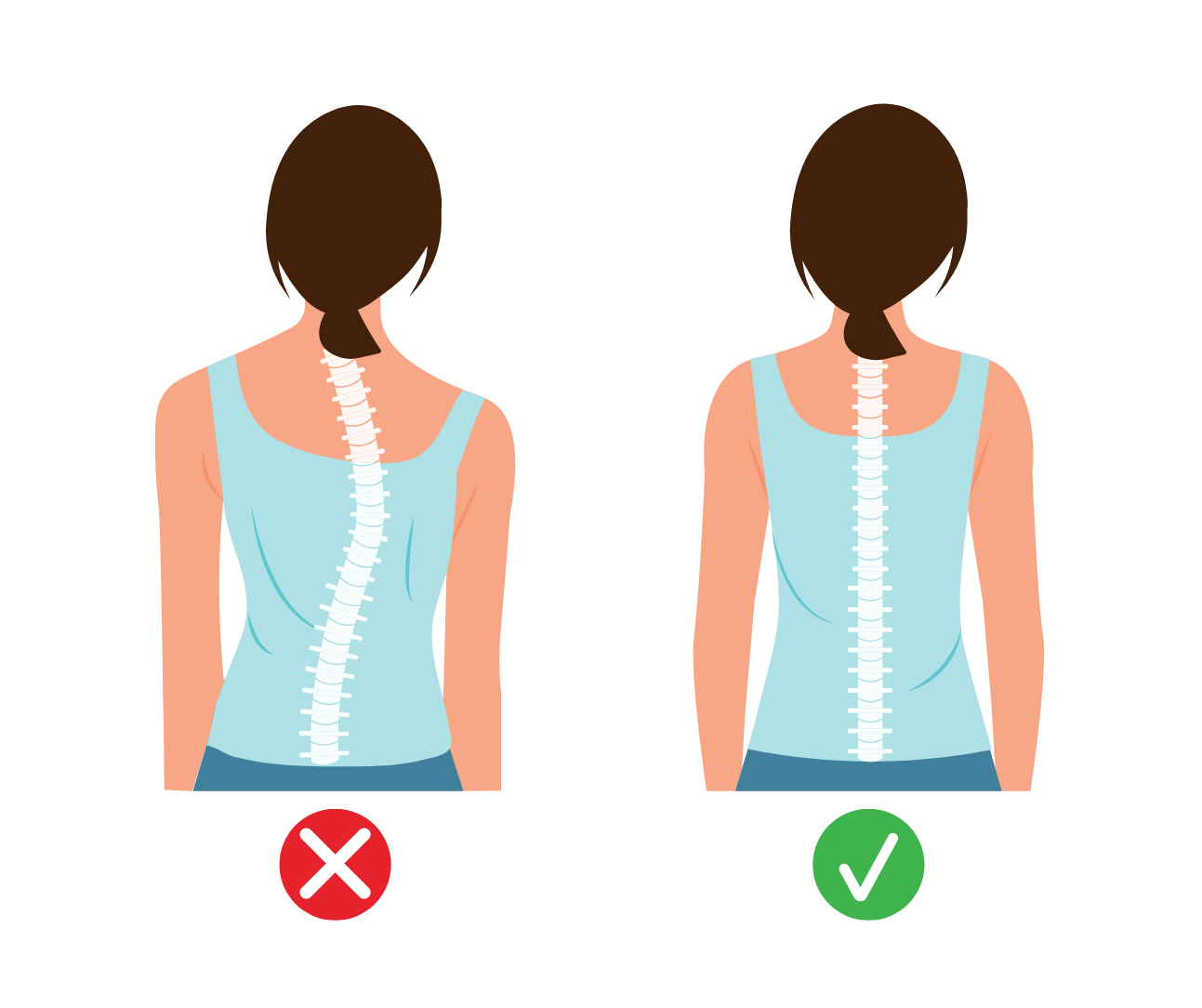
Source: Canva Pro, Design: Susanne van de Munt
One study that I stumbled upon suggests that an inability to properly use the essential mineral manganese could be to blame for some cases of severe scoliosis, and it is linked to the SLC39A8 gene.
For healthy people means this information almost nothing, for those with spine deformations worth every penny. Let me unwrap it for you here.
To pinpoint this gene, Dr. Christina Gurnett with her research team along with post doctoral researcher Dr. Gabriel Haller, conducted a study analyzing the genes of 457 children with severe scoliosis and 987 without the condition.
Their research revealed that a variant in the SLC39A8 gene was present in 6% of healthy children but in 12% of those with severe scoliosis. A subsequent analysis of a different group-1,095 healthy children and 841 with moderate to severe scoliosis, confirmed that children with scoliosis were about twice as likely to carry this variant. Learn about early signs of scoliosis through this article.
SOURCE:Haller G, McCall K, Jenkitkasemwong S, Nikolov M, Whittle J, Upshaw Z, Baschal E, Shin J, Cruchaga C, Harms M, Raggio C, Morcuende JA, Giampietro P, Miller NH, Wise C, Gray RS, Solnica-Krezel L, Knutson M, Dobbs MB, Gurnett CA. A missense variant in SLC39A8 is associated with severe idiopathic scoliosis. Nature Communications. Oct. 9, 2018. DOI: 10.1038/s41467-018-06705-0
This study was supported by the National Institute of Arthritis and Musculoskeletal and Skin Diseases, award number R01AR067715; the Eunice Kennedy Shriver National Institutes of Child Health and Human Development, award number P01HD084387; Marfan Foundation Faculty Grant, award number 81831; Washington University Institute of Clinical and Translational Sciences; Washington University Musculoskeletal Research Center; and the Intellectual and Developmental Disabilities Research Center at Washington University.
5. Gene SLC39A8
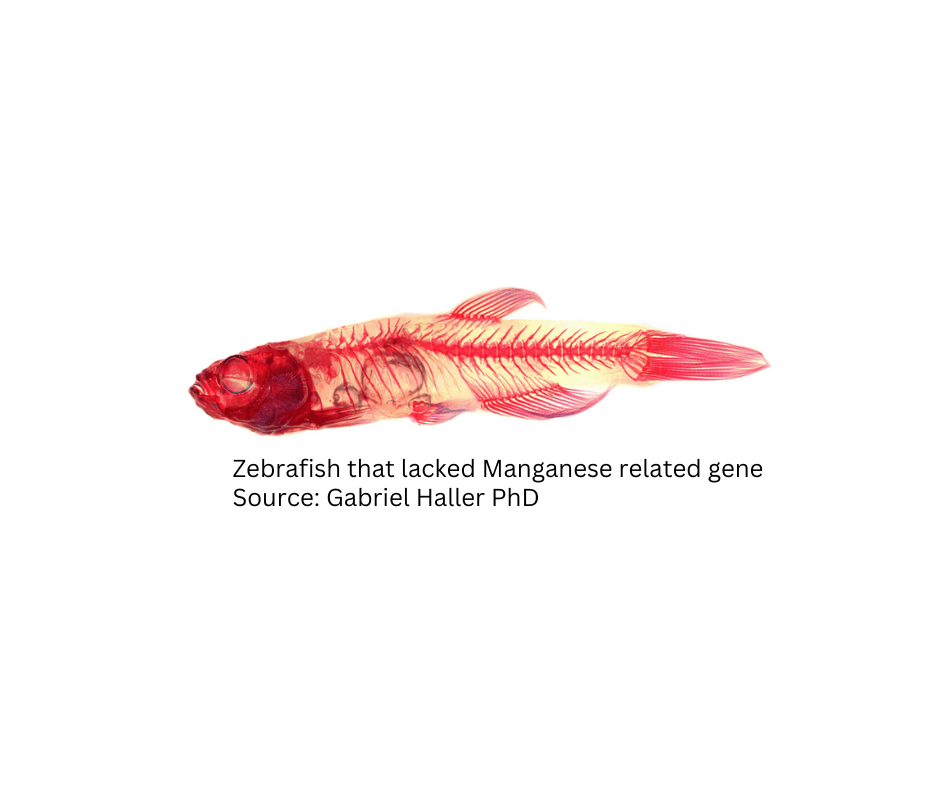
“Our goal in studying the genetics of this disorder was to see if there was anything we could learn that might change how we treat patients.”
Based on the study it is believed to assist cells in absorbing minerals like zinc, iron, and manganese. The researchers discovered that human cells with the gene variant could uptake zinc and iron but struggled with manganese absorption.
The genetic variant doesn't completely disable the gene; it's just not functioning optimally. So, while most people require a certain level of manganese in their blood, individuals with this particular gene variant might need more.
Children carrying the SLC39A8 gene variant do not exhibit a manganese deficiency; however, their bodies may not utilize manganese as effectively as others.
6. Furthermore study
Interestingly enough, when the researchers bred zebrafish with a disabled SLC39A8 gene, the fish developed movement and skeletal abnormalities, including curves in their spines.
Dr. Christina Gurnett notes, "We've begun studies in zebrafish by adding manganese to their water, but we still need to conduct human studies to determine the exact amount that is both safe and effective."
Our study links scoliosis to something that’s potentially modifiable in the diet,” said senior author Christina Gurnett, MD, PhD, a professor of neurology, of orthopedic surgery and of pediatrics.
"However, we don’t want people to go out right now and start manganese supplements, because we already know that too much manganese can be harmful."
7. Manganese-how much is low and how much is high dose?
Source: Canva Pro, Design: Susanne vd Munt
Manganese is a double-edged sword. It's an essential mineral, but it can also be toxic. High levels of manganese can lead to a condition called manganism, which causes permanent neurological issues like tremors and difficulty walking, as well as psychiatric symptoms such as aggression and hallucinations. High manganese exposure has been associated with Parkinson's disease, schizophrenia, and high blood pressure.
On the flip side, a manganese deficiency is uncommon because the human body requires only small amounts that are typically obtained from food. However, animal studies have shown that a lack of manganese can cause issues with metabolizing fat and sugar, impaired growth, difficulty walking, and spinal curvature.
While most people require a certain level of manganese in their blood, and it is enough to cover the healthy body's growth needs, some individuals with this particular gene variant might need more. Learn about scoliosis treatment here.
8. Food as a medicine
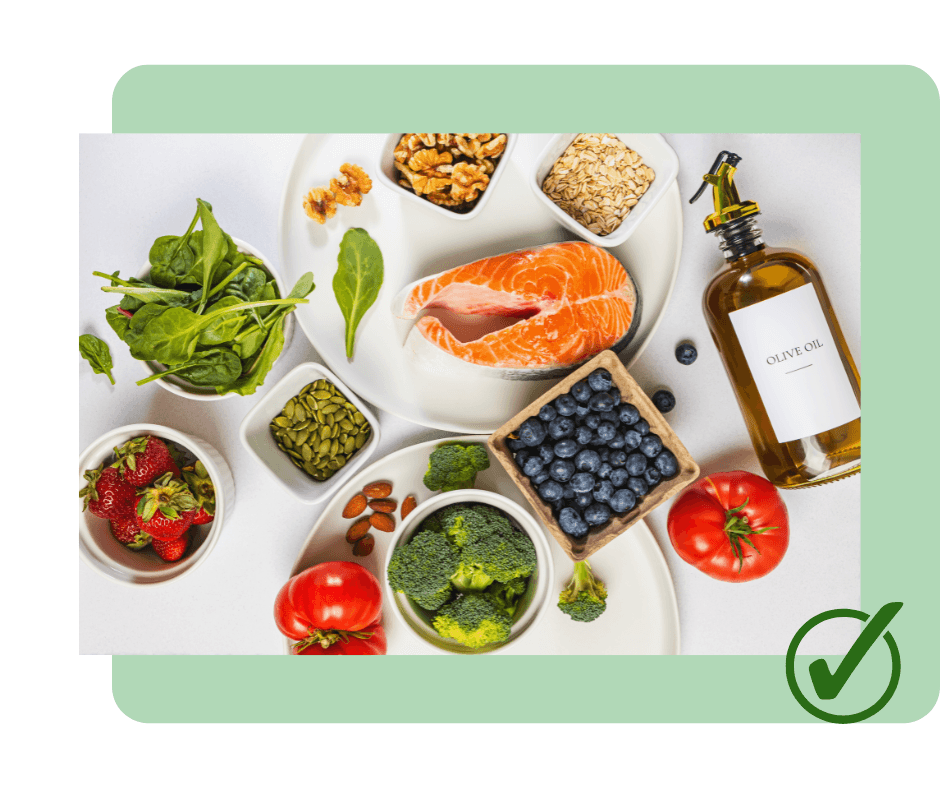
Source: Canva Pro, Design: Susanne vd Munt
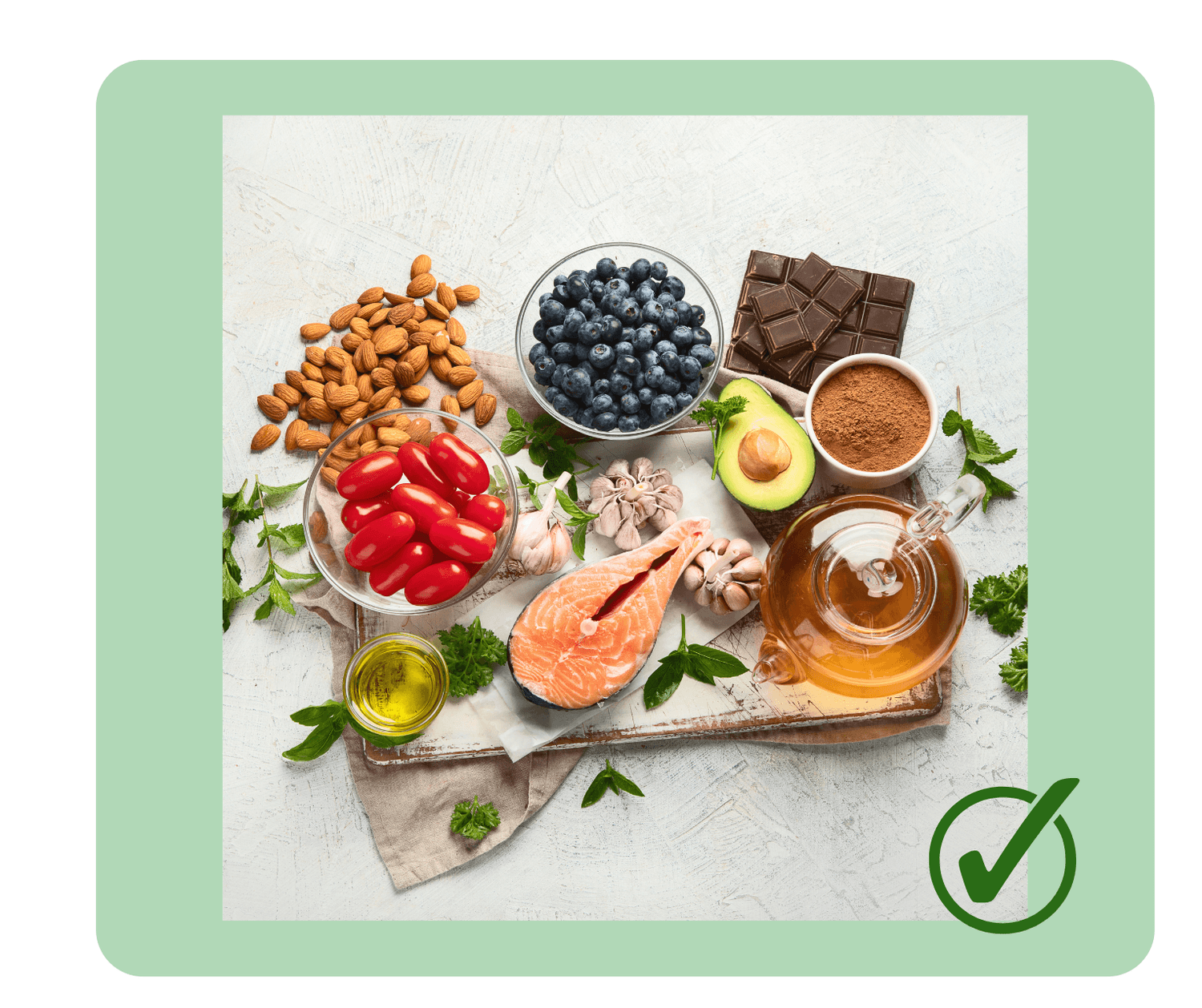
Incorporating foods rich in manganese into your diet is essential for maintaining optimal physical health. Manganese, a vital mineral, plays a key role in bone formation, and metabolism {amino acids, carbohydrates, cholesterol, and glucose-sugar}. It also plays a vital role as an antioxidant in immune defense.
Let's check if you have these nutritious food ingredients at home, and if not, then put it on your shopping list as soon as possible. You will boost your body's overall well-being greatly.
Brown Rice
Spinach
Oats
Whole Wheat Bread, Whole Grain Food
Pumpkin Seeds, Pine nuts, Pecans
Chickpeas, Lentils
Raspberries, Blackberries
Sweet Potatoes
Mussels, Tofu
Black Tea
Fortunately, many delicious and nutritious foods are packed with this essential nutrient. Incorporating these foods into your meals can help you maintain adequate manganese levels along with other essential minerals that your body naturally need.
Read more about a healthy diet, chronic pain, and inflammation in this article: Chronic pain and inflammatory food, and check my library where you can buy the whole guide: Library and downloads.
9. Scoliosis warrior's takeaway
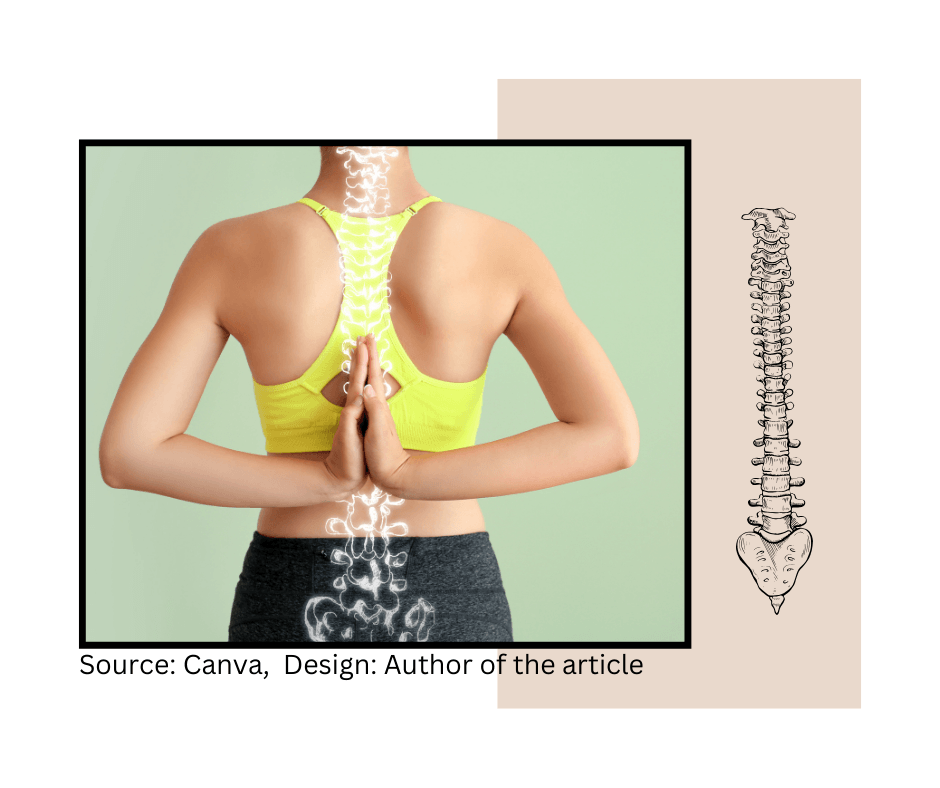
Manganese is a trace mineral or micromineral, meaning you don’t need a lot of it. Nevertheless, getting enough is vital because your body requires it for many different processes.
“You may not need much manganese compared to other minerals, but its impact is mighty.”
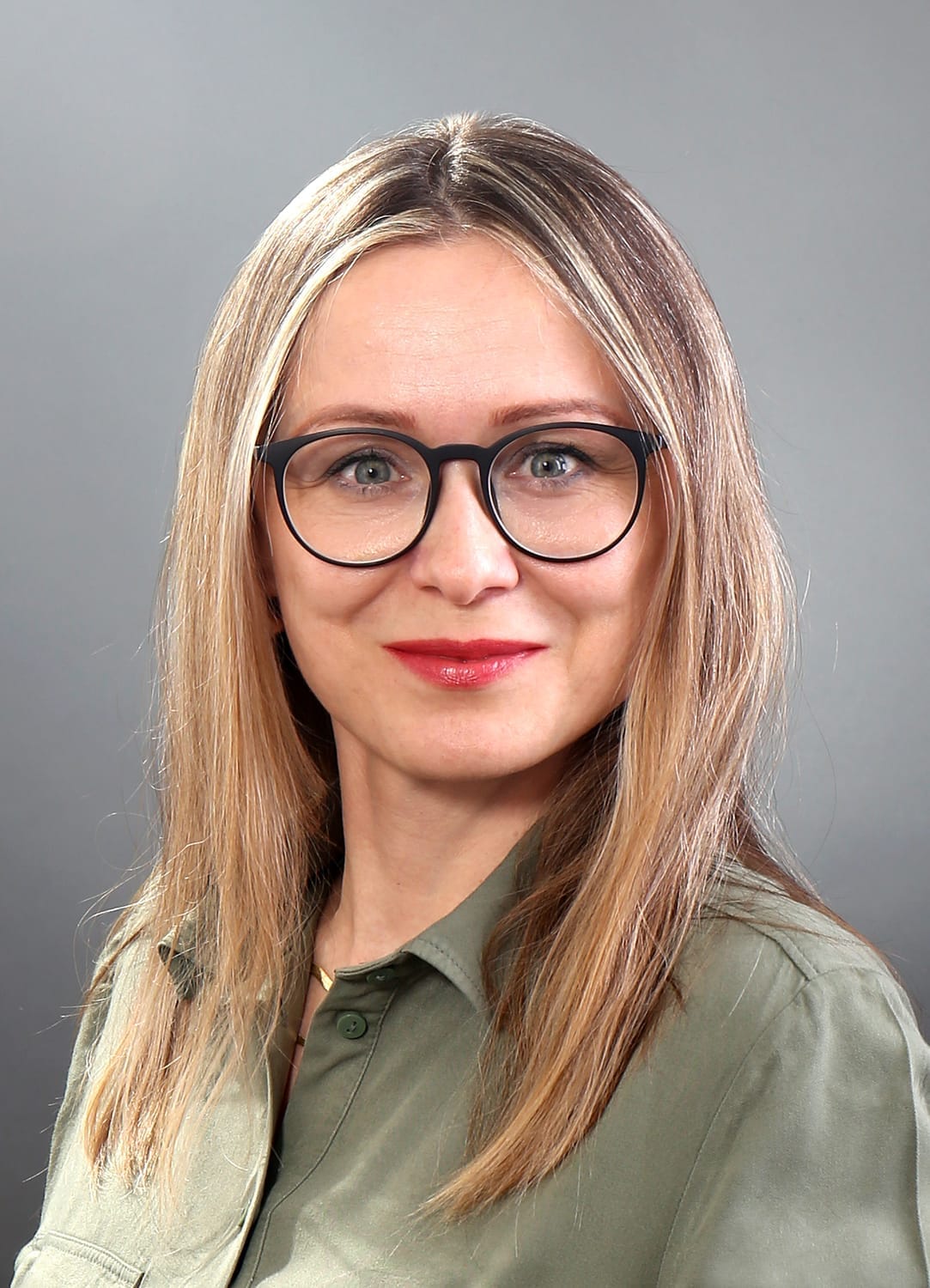
Written by someone who's walked the path and writes to light yours.
Susanne van de Munt Dis
✔️ Trauma-informed | ✔️ Lived Experience | ✔️ Medical + Emotional Intelligence
10. Sign up for life changing book
"girl in the brace who refuses to break"
UNCOVER A CHALLENGING LIFE STORY
Say yes to the journey.
Pre‑sign up now for ''Girl in the brace who refuses to break'' and get early access to the book, exclusive insights, and a first invitation into a community built for people who rise differently.
Your next chapter starts the moment you join.

My voice is bold and authentic. I talk about my errors and triumphs, resilience, discipline, old beliefs, and new beginnings.
Life is not a dress rehearsal.
There are no second takes.
And the only moment guaranteed to you is the one you’re holding right now.
So step into it — imperfect, unready, and fully alive.
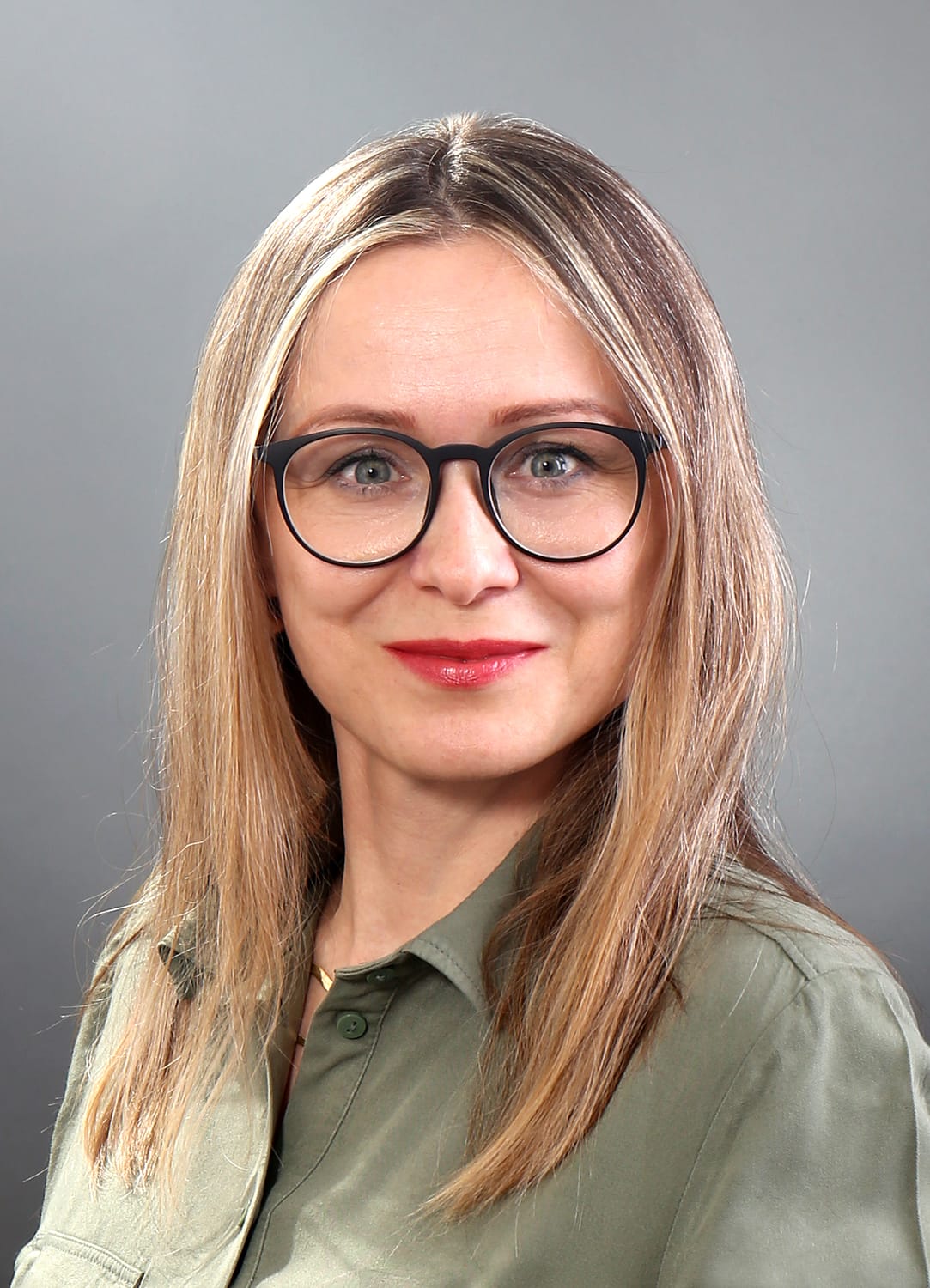

This project is shaped by lived experience and sustained by your support. Every book purchased and service booked contributes to a mission led by a coach living with physical disability. Your support helps amplify a message built from resilience, compassion, and shared healing.
Thank you.
Susanne van de Munt
My mission is simple:
To shift the global mindset from seeing disability as a deficit to recognizing it as a source of innovation, leadership, and human evolution.
The information provided on this website is for educational and informational purposes only and does not constitute medical advice or a substitute for professional healthcare. Individuals are strongly encouraged to consult with a qualified healthcare provider before undertaking any exercise regimen, nutritional changes, or treatment for scoliosis or chronic pain. Proper medical evaluation and guidance are essential to ensure safety and effectiveness.
All rights reserved © 2025 www.scoliosismanagement.com
Susanne van de Munt Dis