DISABILITY & RESILIENCE, AND THE FUTURE OF HUMAN POTENTIAL
"BODY AWARENESS - MENTAL HEALTH - EMOTIONAL INTELLIGENCE "
This is more than a website - it’s a movement.
I explore scoliosis, chronic pain, disability, and inclusion through lived experience and neuroscience.
Redefining Disability. Reclaiming Strength. Rewriting the Story.
How anti-inflammatory food can change your body's health and well-being
Food is fuel, and the right fuel can make a significant difference in managing chronic pain and supporting overall health and wellness.
For chronic pain warriors, adopting an anti-inflammatory diet can be a game-changer, providing relief, enhancing well-being, and promoting long-term health.
1. Understanding inflammation
A photo source: Canva Pro/Design: Susanne van de Munt
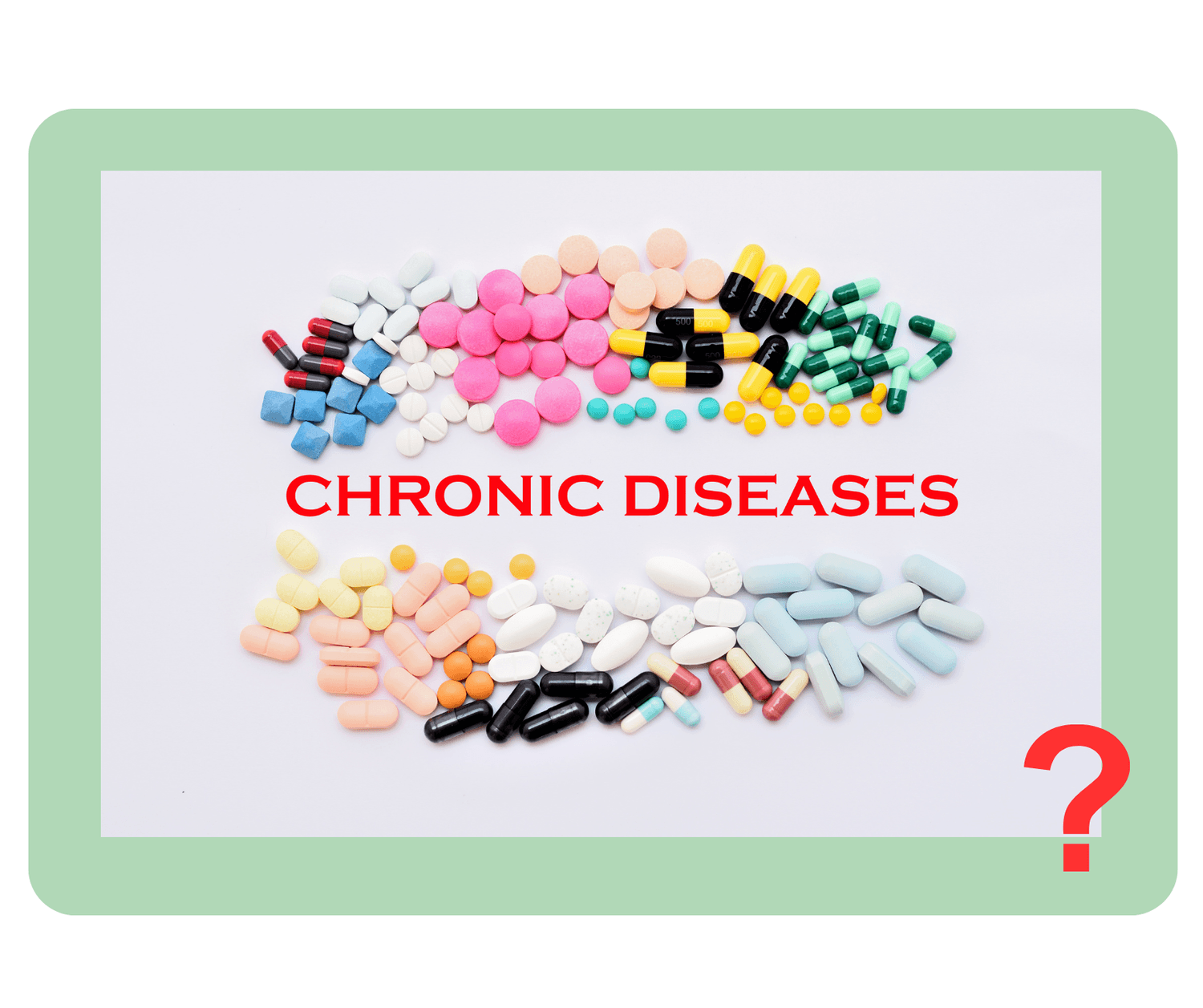
Inflammation is a natural response by the body's immune system to injury or infection. However, when inflammation becomes chronic, it can contribute to various health problems, including chronic pain conditions such as arthritis, fibromyalgia, and autoimmune disorders.
An anti-inflammatory diet aims to reduce this chronic inflammation, offering a holistic approach to pain management.
2. Types of inflammations
Acute inflammation
It comes on rapidly, usually within minutes, but is generally short-lived. Many of the mechanisms that spring into action to destroy invading microbes switch gears to cart away dead cells and repair damaged ones. This cycle returns the affected area to a state of balance, and inflammation dissipates within a few hours or days.
Chronic inflammation
It often begins with the same cellular response, but morphs into a lingering state that persists for months or years when the immune system response fails to eliminate the problem.
Alternatively, the inflammation may stay active even after the initial threat has been eliminated. This is a different story. Why, is it happening?
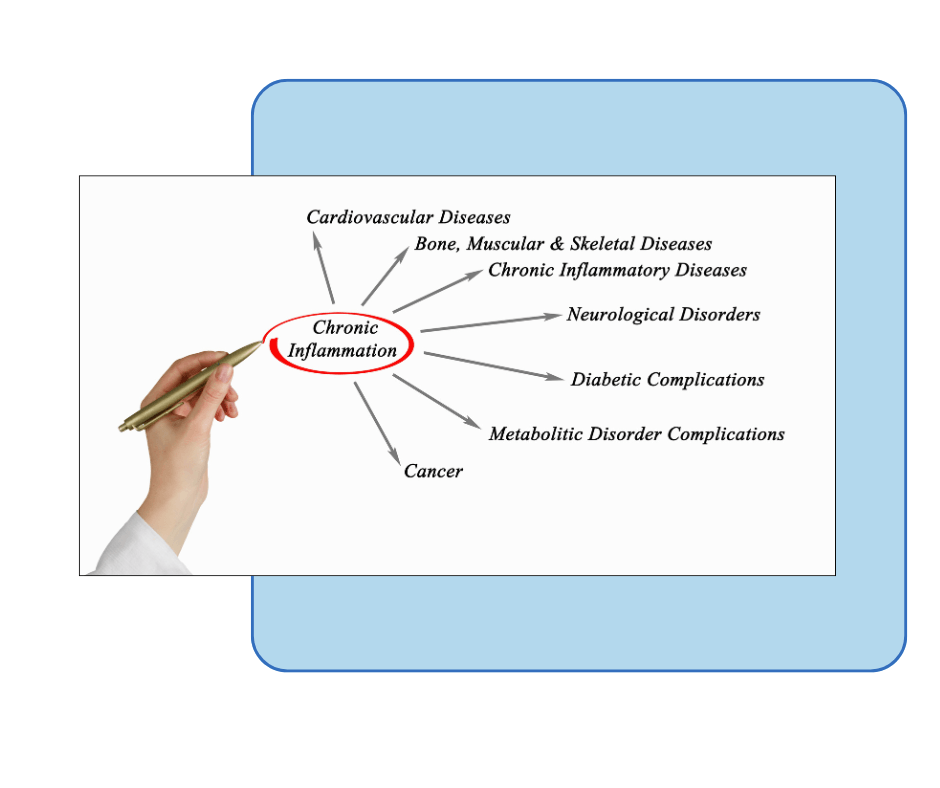
Unchecked, the immune system prompts white blood cells to attack nearby healthy tissues and organs, setting up a chronic inflammatory process that plays a central role in some of the most challenging diseases of our time, including rheumatoid arthritis, cancer, heart disease, diabetes, asthma, and even Alzheimer’s.
3. The link between anti-inflammatory food and chronic pain
A photo source: Canva Pro/Design: Susanne van de Munt
Chronic pain is often associated with chronic inflammation, which dietary choices can influence. Inflammation is the body's natural response to injury or infection, but when it becomes chronic, it can lead to various health issues, including chronic pain conditions such as arthritis, fibromyalgia, and autoimmune disorders.
A poor diet can contribute to increased systemic inflammation, while a healthy diet can help reduce it.
4. Anti-inflammatory food to embrace
A photo source: Canva Pro/Design: Susanne van de Munt
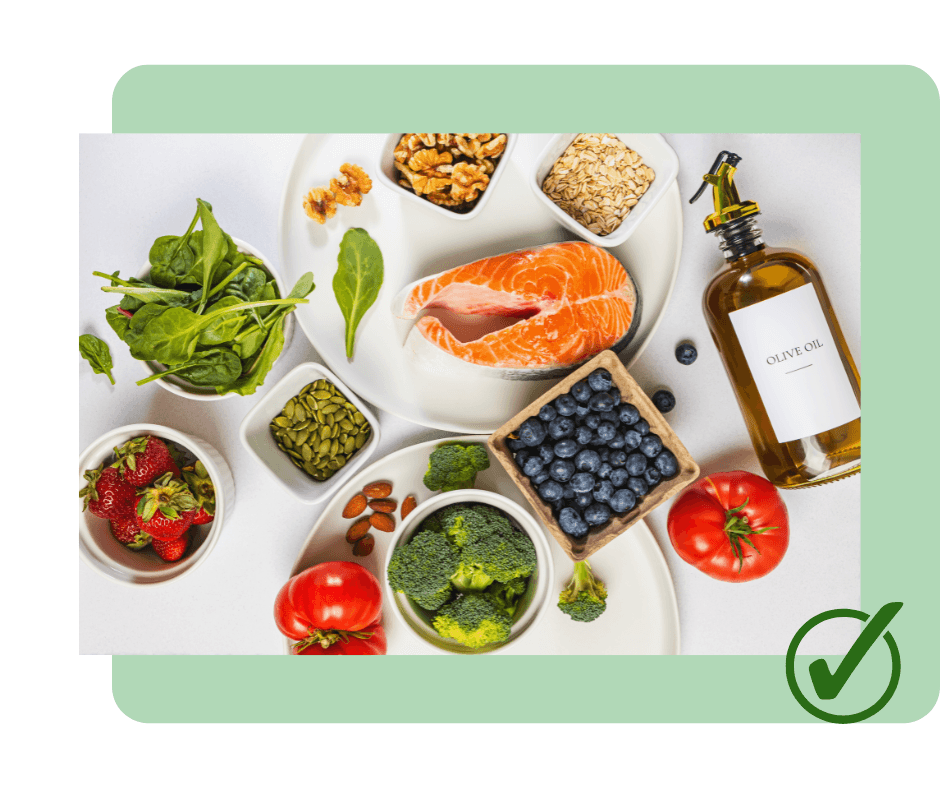
Antioxidants known as flavonoids clean up free radicals in the body, and there’s evidence they fight inflammation to help prevent chronic illnesses, like heart disease and some cancers. Chronic inflammation is related to an increased risk of diabetes, heart disease, and cancer.
Foods that fight inflammation (anti-inflammatory foods) reduce chronic inflammation.
"One of the most powerful tools for combating inflammation and boosting your body's strength comes from nature itself."
Susanne van de Munt Dis
DIPLOMA NURSE | HEALTHCARE & LIFESTYLE WRITER | SCOLIOSIS WARRIOR
5. Change your body wellness
Infographics: Susanne van de Munt Dis
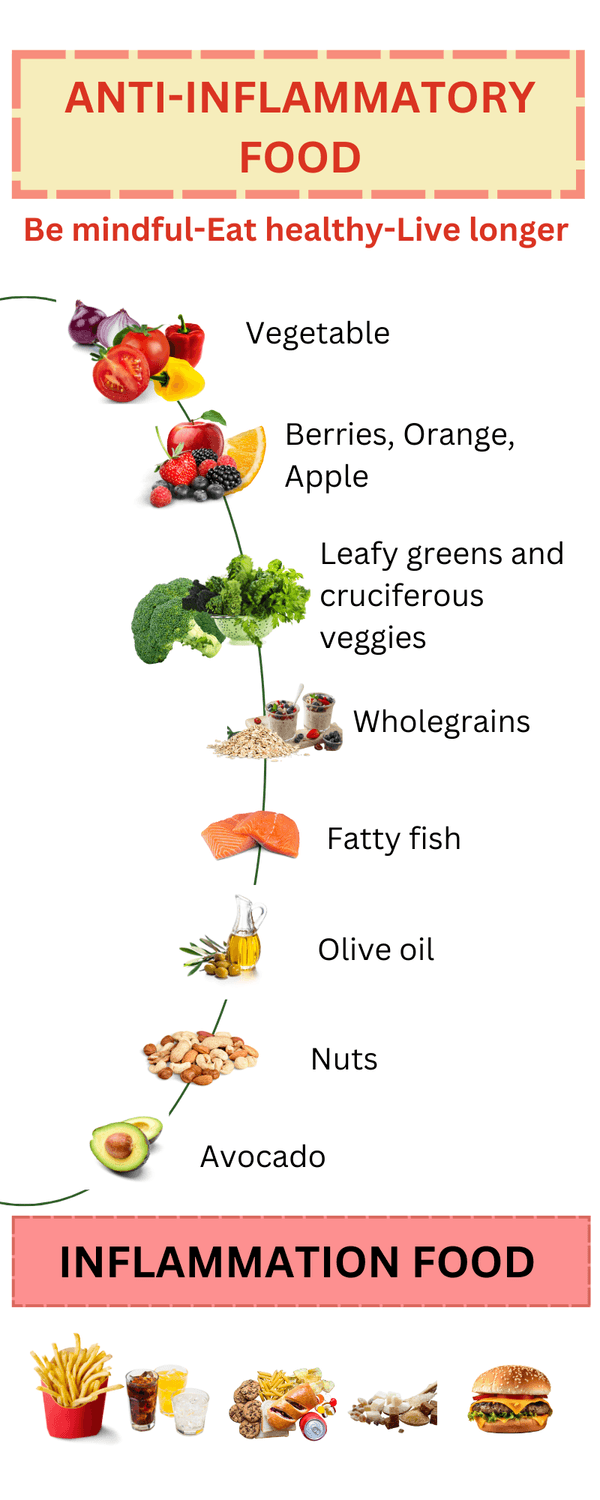
Antioxidants in anti-inflammatory food clean up free radicals in the body, and fight inflammation to help prevent chronic illnesses.
Chronic inflammation is related to an increased risk of diabetes, cancer, and it can lead to various health issues, including chronic pain conditions such as arthritis, fibromyalgia, and autoimmune disorders. It is not a feeling. It is a whole body experience, and it affects not just your physical body, but also your mental health and social activities.
Foods that fight inflammation (anti-inflammatory foods) reduce chronic inflammation.
6. My journey of transformation
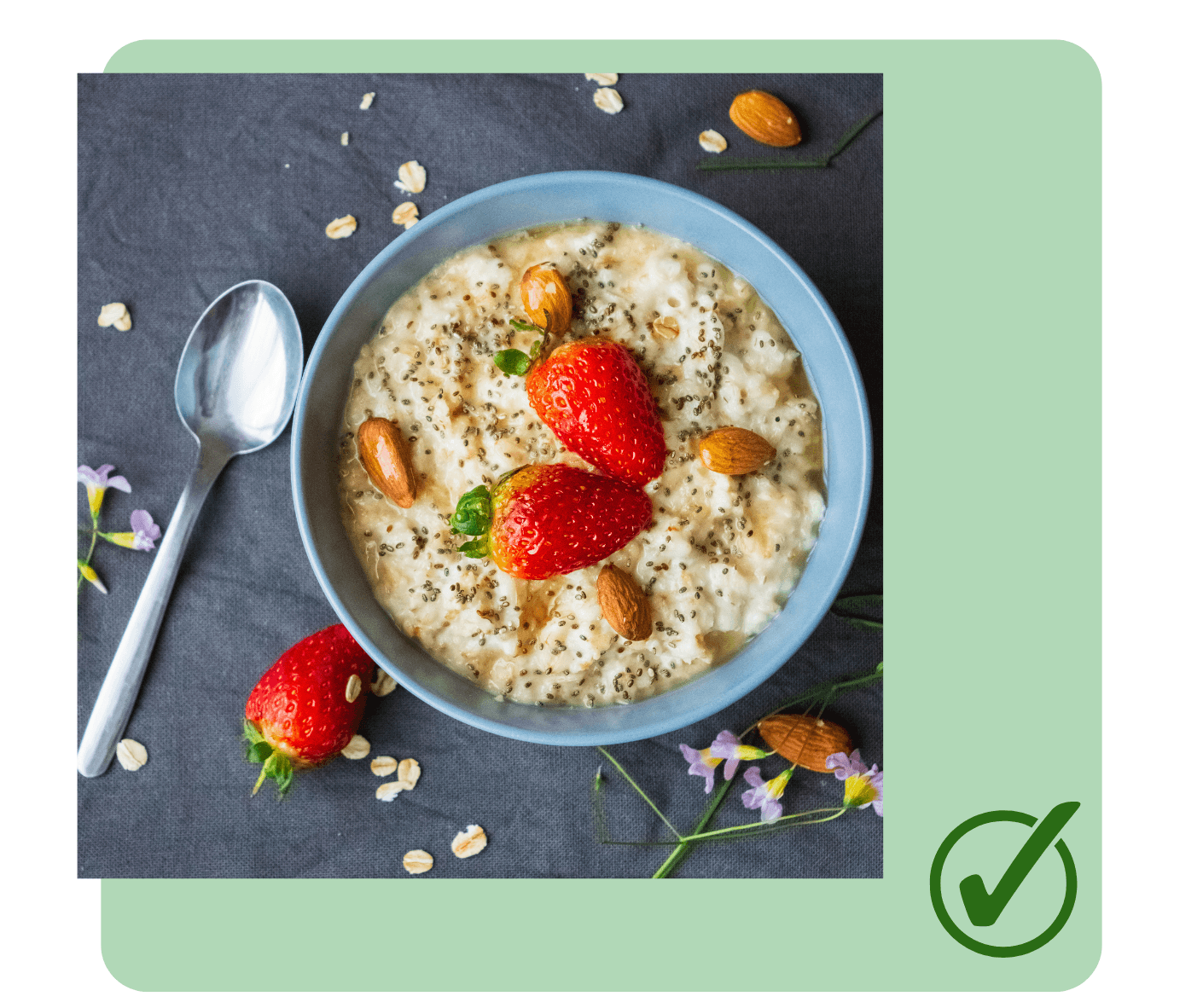
A photo source: Canva Pro/Design: Susanne van de Munt
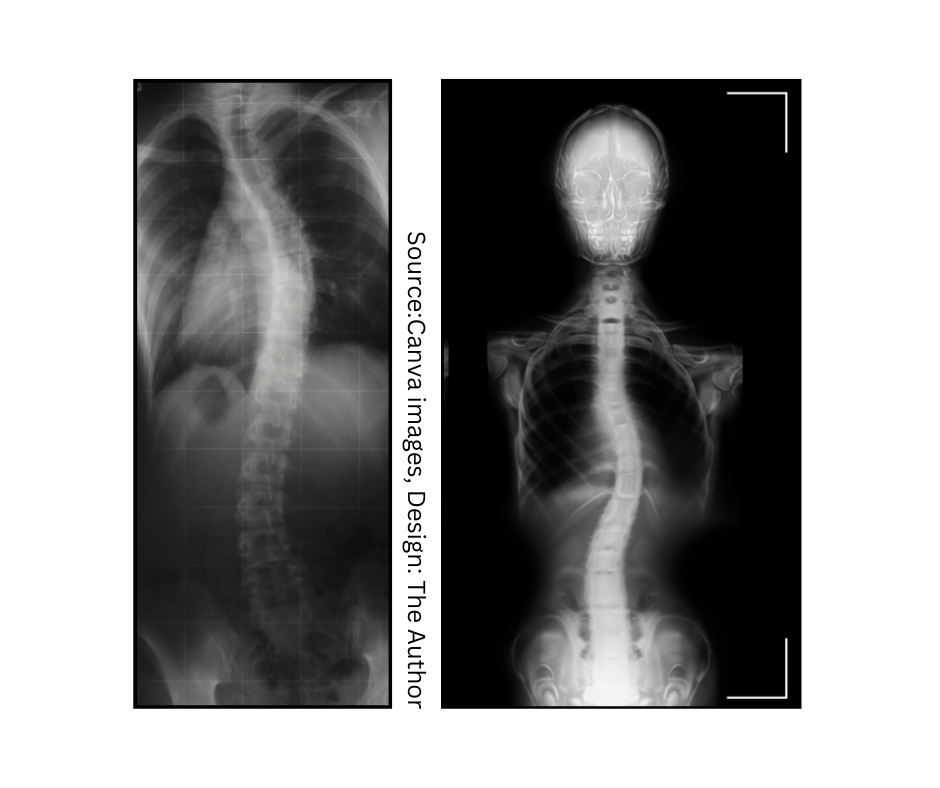
Living with heavy scoliosis, osteoporosis, fibromyalgia, and weak bones has always presented me with unique challenges.
One of the most frustrating issues apart of chronic pain was my weak digestion, low mineral levels, and poor sleeping, which often left me feeling drained and in a bad mood. I always preferred simple, vegetarian food as I didn't want to challenge my digestive system a lot. Oats and some vegetables, and fish were and still are alpha and omega in my diet.
Nevertheless, I was curious whether adding some lean meat could work for me and help me improve my health challenges. I discovered that adding some lean meat and some proteins is beneficial for my body's health and overall for my well-being. It has truly been a game-changer for me.
The keto diet, which focuses on low carbohydrates and high healthy fats, has not only helped me combat chronic pain and fatigue but has also significantly improved my digestion, sleep, and mood stability.
I've found a new sense of relief and balance in my life by incorporating lean meat and proteins into my diet. It doesn't heal my scoliosis, but it significantly helps with my energy level that I need throughout the day to deal with pain and other challenges.
Based on the science I am sharing some interesting facts, how you can improve your body-mind wellness with healthier choices and correct nutrition. Let's dive into it!
7. Is the keto diet good for chronic pain? A science- based study
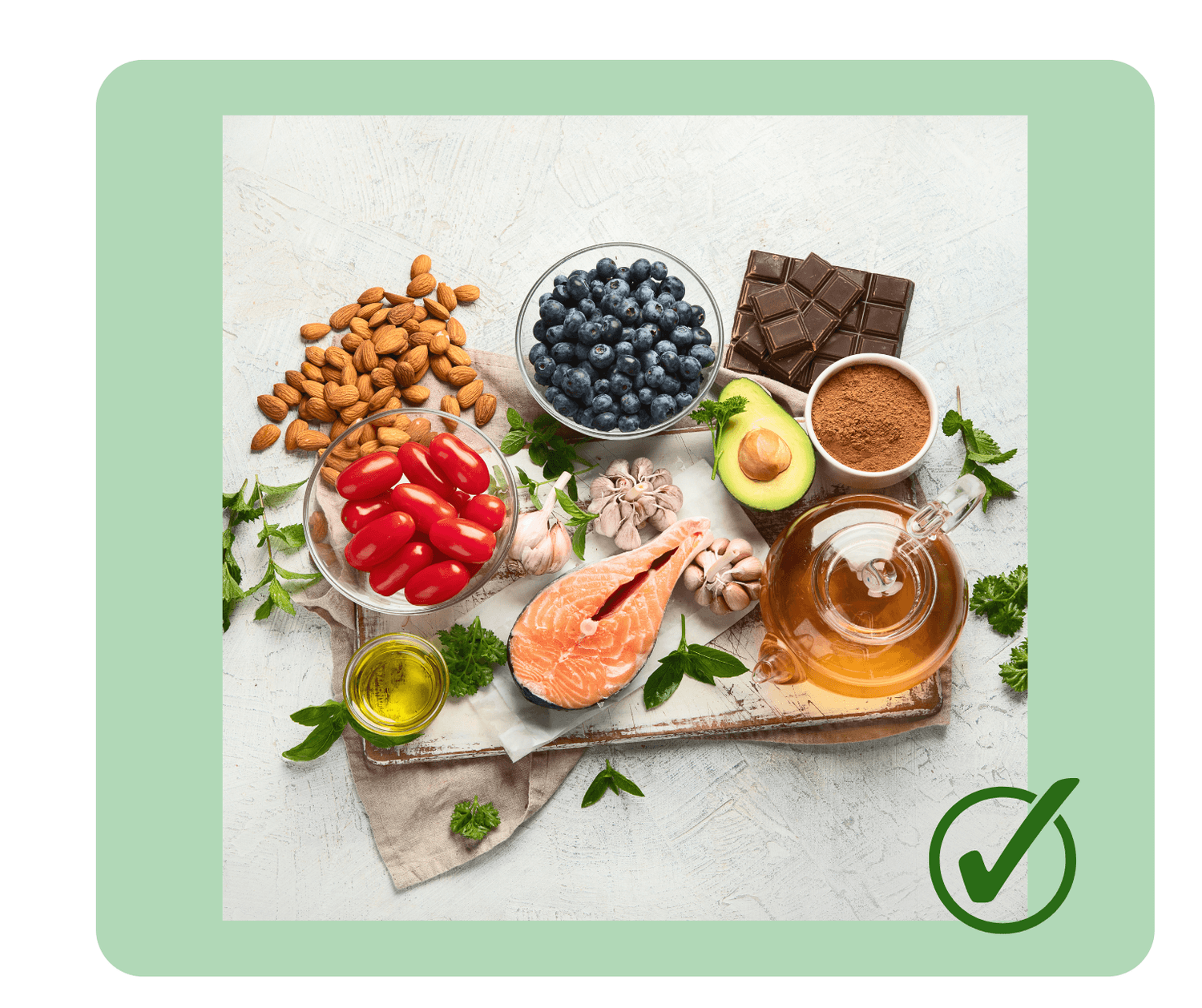
A photo source: Canva Pro/Design: Susanne van de Munt
Living with chronic musculoskeletal pain can be challenging, but recent research suggests that diet might play a significant role in pain management.
Field R, Pourkazemi F, Rooney K. Effects of a Low-Carbohydrate Ketogenic Diet on Reported Pain, Blood Biomarkers and Quality of Life in Patients with Chronic Pain: A Pilot Randomized Clinical Trial. Pain Med. 2022 Feb 1;23(2):326-338. doi: 10.1093/pm/pnab278. PMID: 34534353
https://pubmed.ncbi.nlm.nih.gov/34534353/
The main aim of this trial is to evaluate the effects of a ketogenic diet on reported pain, blood biomarkers, and quality of life in patients with chronic pain.
Outcome measures included: average pain, blood biomarkers, anthropometrics, adherence, depression, anxiety, sleep, ketones, quality of life, diet satisfaction, and macronutrient intake.
My takeaway-
Embrace the power of nutrition and take charge of your health—your journey to a healthier, more balanced life starts with the food you choose to fuel your body.
8. Make your lifestyle impactful
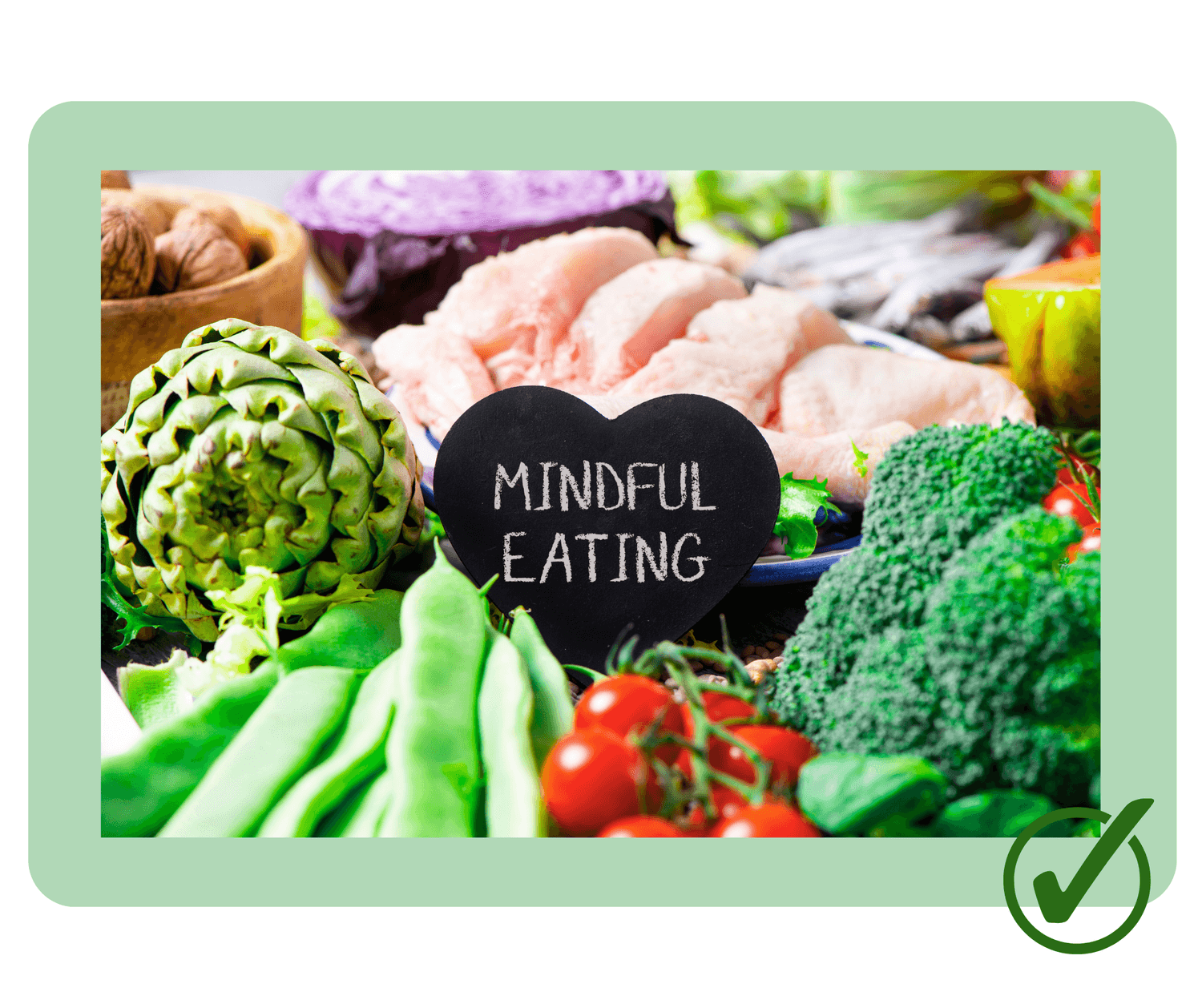
A photo source: Canva Pro/Design: Susanne van de Munt
Balanced Meals: Aim to include a variety of anti-inflammatory foods in each meal, ensuring a balance of macronutrients—proteins, fats, and carbohydrates.
Batch Cooking: I like to prepare my food fresh, but I understand that sometimes it is simply convenient to prepare larger portions of meals and store them for later use. This saves time and ensures you always have a healthy option on hand.
Mindful Eating: Pay attention to how different foods make you feel. Keeping a food diary can help identify any foods that may trigger inflammation or discomfort.
If you're struggling with chronic pain, fatigue, or any other health issues, I encourage you to explore what works for you and what not. It might be a process, but the potential to transform your life and improve your well-being is immense, and that is the goal of making your lifestyle impactful.
9. The scoliosis warrior truth: Making Sense of Vitamins and Minerals
1. Choosing the foods and nutrients you need to stay healthy.
2. Including anti-inflammatory foods in your diet can boost your physical and mental ability to manage chronic pain and support overall health.
3. A low-carbohydrate ketogenic diet has been reported to improve chronic pain by reducing inflammation, oxidative stress, and sensitivity within the nervous system.
4. This works for me. Have you ever tried what works for you, nutrition-wise?
Author: Susanne van de Munt Dis
DIPLOMA NURSE | HEALTHCARE & LIFESTYLE WRITER | SCOLIOSIS WARRIOR
Transform your well-being today
Welcome to a space where healing meets lived experience. Every e-book you download and each session you book supports more than just a mission-you’re standing beside a coach living with over 50% physical disability, who has turned personal pain into purpose.
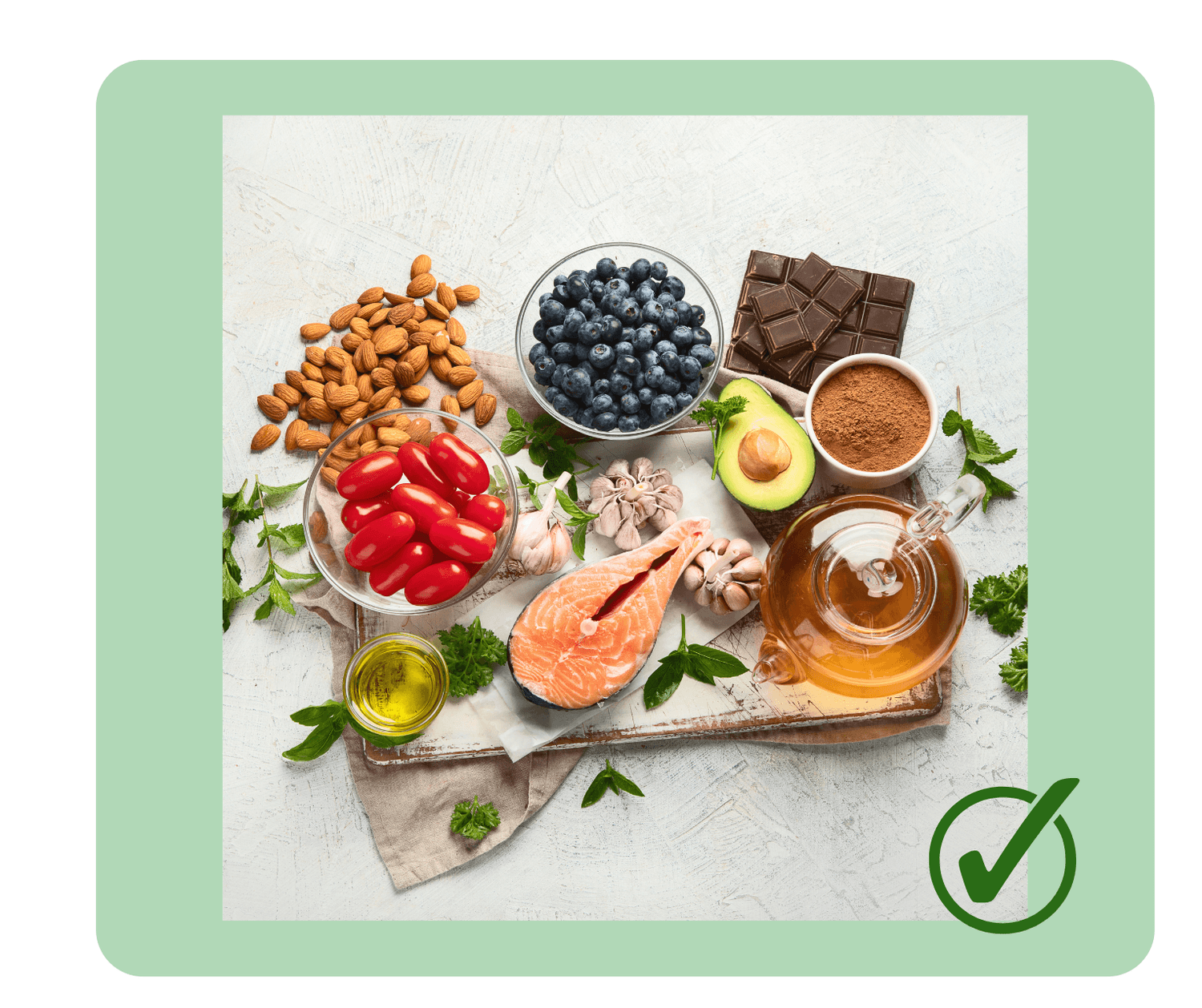


This project is shaped by lived experience and sustained by your support. Every book purchased and service booked contributes to a mission led by a coach living with physical disability. Your support helps amplify a message built from resilience, compassion, and shared healing.
Thank you.
Susanne van de Munt
My mission is simple:
To shift the global mindset from seeing disability as a deficit to recognizing it as a source of innovation, leadership, and human evolution.
The information provided on this website is for educational and informational purposes only and does not constitute medical advice or a substitute for professional healthcare. Individuals are strongly encouraged to consult with a qualified healthcare provider before undertaking any exercise regimen, nutritional changes, or treatment for scoliosis or chronic pain. Proper medical evaluation and guidance are essential to ensure safety and effectiveness.
All rights reserved © 2025 www.scoliosismanagement.com
Susanne van de Munt Dis