DISABILITY & RESILIENCE, AND THE FUTURE OF HUMAN POTENTIAL
"BODY AWARENESS - MENTAL HEALTH - EMOTIONAL INTELLIGENCE "
This is more than a website - it’s a movement.
I explore scoliosis, chronic pain, disability, and inclusion through lived experience and neuroscience.
Redefining Disability. Reclaiming Strength. Rewriting the Story.
Chronic pain management and working tips
1. Chronic pain from the 1st hand
Chronic pain profoundly affects a person’s physical, emotional, and social well-being.
This constant struggle can impede daily activities and the ability to savor life fully. Yet, chronic pain does not have to define your existence. How?
Let's find out..
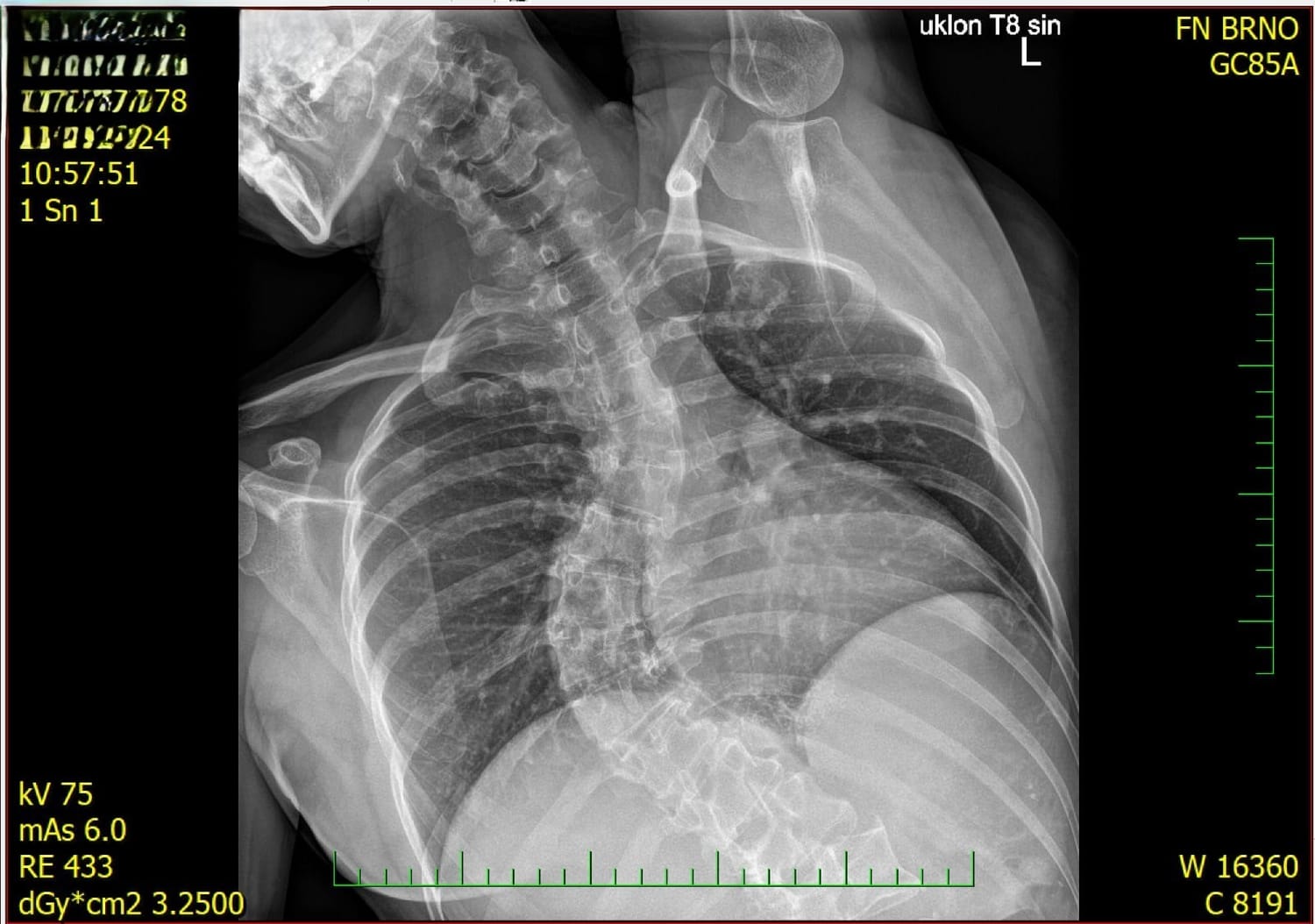
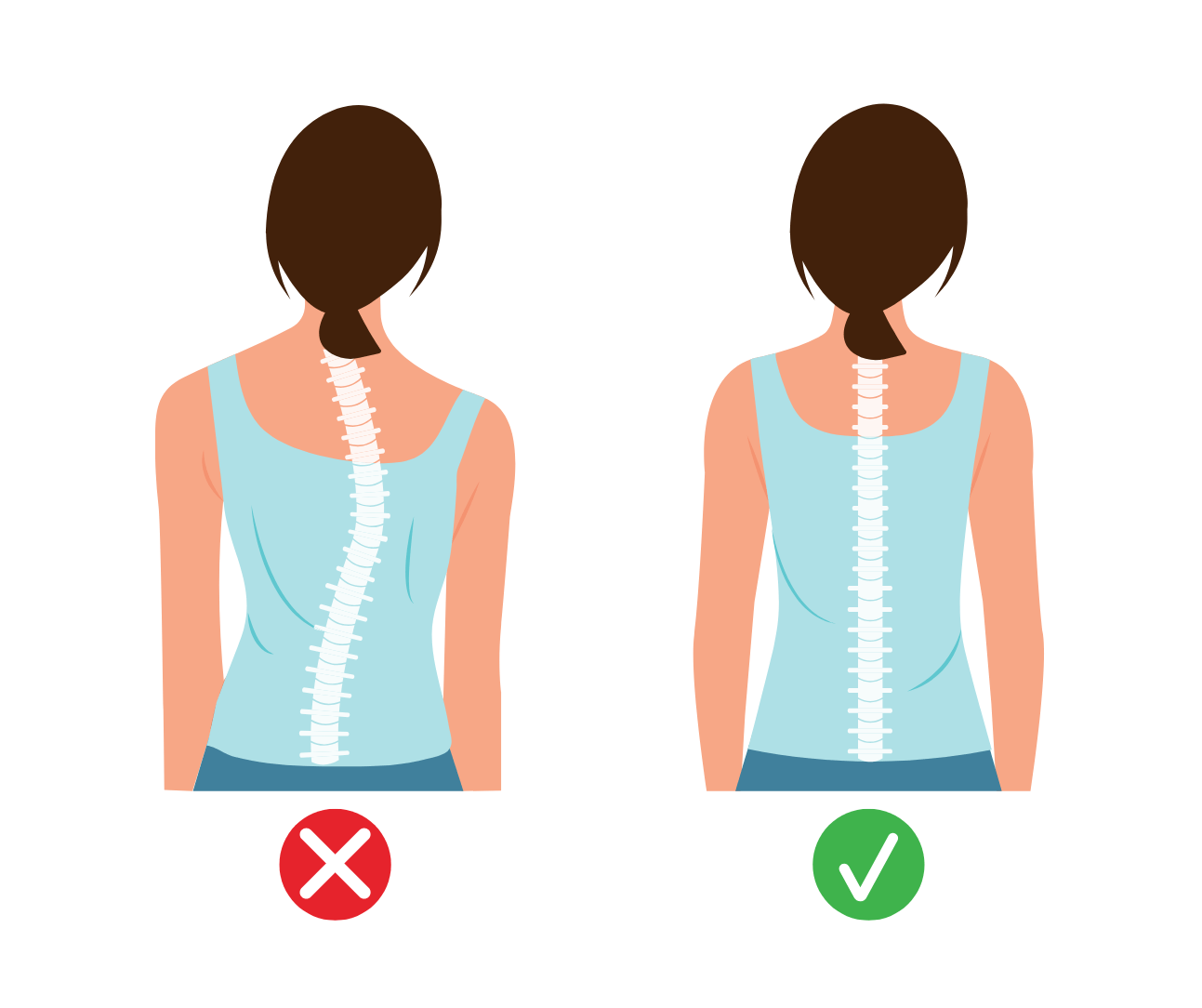
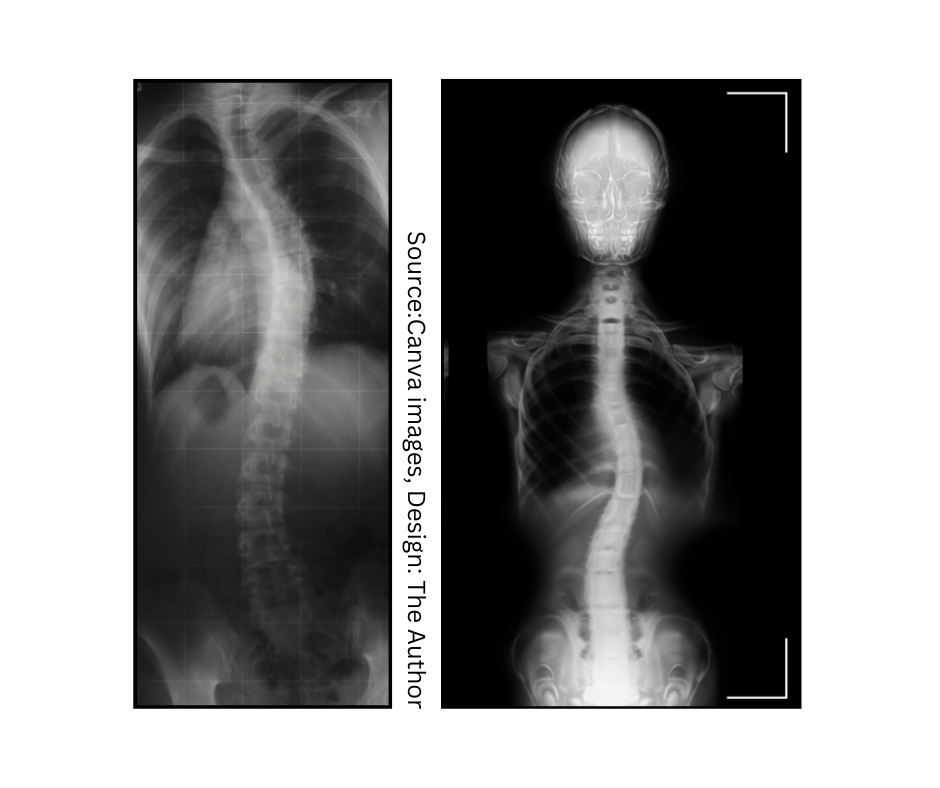
I am in my mid-40s, and I have been living with "S" curved idiopathic scoliosis for as long as I can remember. This condition, characterized by a severe curve in the spine, has been my constant companion. Spotted by my mum when I was about six years old, my battle with pain began in earnest when I was 14. Since then, not a day has gone by without pain becoming a steadfast, unwelcomed, part of my life. As my former orthopaedist said: "Learn to live with it, you have no other choice!"
My mornings begin with it, and my nights end with it. The reality is stark: either you learn to live with the pain and manage it, or you let it consume you. What would you choose?
2. Acknowledging and accepting pain
Recognizing the pain, understanding its impact, and learning to navigate life despite it is essential. Acceptance doesn’t mean giving up. On the contrary, it’s about embracing the challenge and finding ways to adapt and thrive.
A scoliosis warrior truth:
I have observed many people born with healthy bodies who are unable to cope with pain-even when it's not the severe, intense kind that keeps you awake at night and catches you off guard. Some struggle with the slightest discomfort, the kind that I wouldn't even make a fuss about. I understand that practice makes perfect, and perhaps enduring chronic pain has taught me resilience.
Witnessing these situations has convinced me that it's essential to learn how to manage pain. Acknowledging and accepting pain is the first step toward mastery.
3. Physical Challenges of Chronic Pain
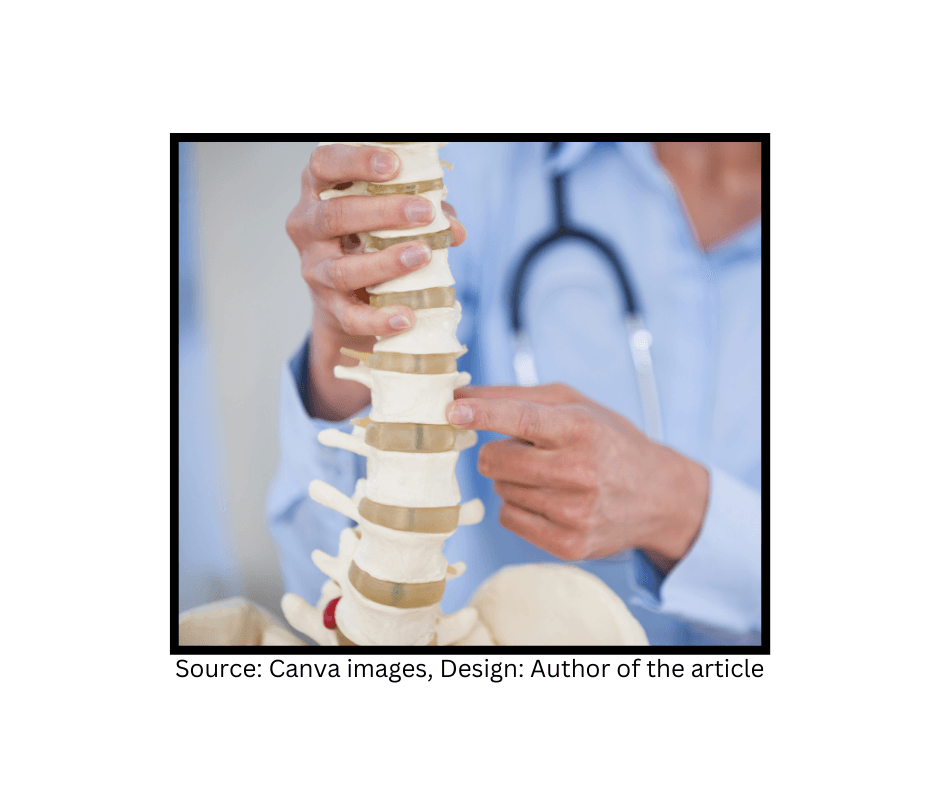
Simple activities like sleeping, eating, and moving can become arduous tasks, leading to fatigue, muscle weakness, and weight gain. Which can affect the quality of your life tremendously. At first, I thought that I needed to have a strong willingness to make a change, later I comprehended that I needed to be disciplined.
My working tip:
Meticulous Physical Exercise: Physical exercise, tailored to my condition, has been a cornerstone of my pain management strategy. Gentle stretches, strengthening exercises, and mindful movement have helped me maintain mobility and reduce pain.
Remember, it’s not about the intensity but the consistency and appropriateness of the exercise.
4. Emotional Impact of Chronic Pain
Without a doubt, chronic pain often leads to feelings of frustration, isolation, depression, anxiety, and anger. I have involuntarily experienced all of these emotions; there is no reason to deny it.
Despite my conviction that I possess a strong mindset, living with scoliosis is a lifelong challenge. Pain doesn't announce its arrival in advance-it doesn't send red flag warnings so you can anticipate it.
However, what it does provide a space for self-growth. Truly a tremendous opportunity for personal development. Everyone encounters some kind of self-growth over time, people with chronic issues even more, unless they fall into "a deep patient funnel". What is it? Find here.
The unpredictable nature of pain can be overwhelming. It emerges without warning, catching you off guard and disrupting your routine. This unpredictability forces you to adapt constantly, testing your resilience and mental fortitude. Yet, it's within these challenges that profound self-growth occurs. Each painful episode becomes a lesson in patience, strength, and perseverance.
My working tip:
Developing a strong, resilient mindset was not an option but a necessity. Resilience is like a muscle— the more you work it, the stronger it becomes. It enables us to face each day with hope and determination, turning obstacles into opportunities for growth.
Do not let the pain consume you!
5. Social Implications of Chronic Pain
While dealing with pain, you might find it challenging to engage in activities you once enjoyed, such as socializing with friends or family. Simple pleasures like attending family gatherings, going out with friends, or participating in hobbies can become daunting tasks.
Fear of judgment or the pain itself might cause you to withdraw from social situations. I was there, I understand.
Being tough and honest here, chronic pain can create a vicious cycle where the emotional toll exacerbates the physical symptoms, making it even harder to break free from the grip of discomfort.You might start questioning your worth or feel like a burden to others, which can erode your self-esteem over time.
My working tip:
These feelings are completely natural, but they don't have to dictate your life's narrative. Many people living with conditions like scoliosis have found innovative ways to adapt and thrive. By reaching out and embracing support, you can rebuild your social life in a way that acknowledges your pain but doesn't let it define you.
6. Adapt a scoliosis warrior truth:
You are not alone!
Despite any challenge, remember that you're not alone. Many people live with chronic pain, and numerous resources can assist you in managing it. I'm an expert in mine, so you can be in yours!
My working tip:
Focus on What You Can Control: While there are many uncontrollable aspects of life, you can control your reactions. Focus on dietary choices, exercise, and stress management.
Set Realistic Goals: Avoid overwhelming yourself. Set achievable goals and celebrate your small victories.
Build a Support System: Share your feelings with friends, family, or a therapist. Having someone to talk to reduces feelings of isolation.
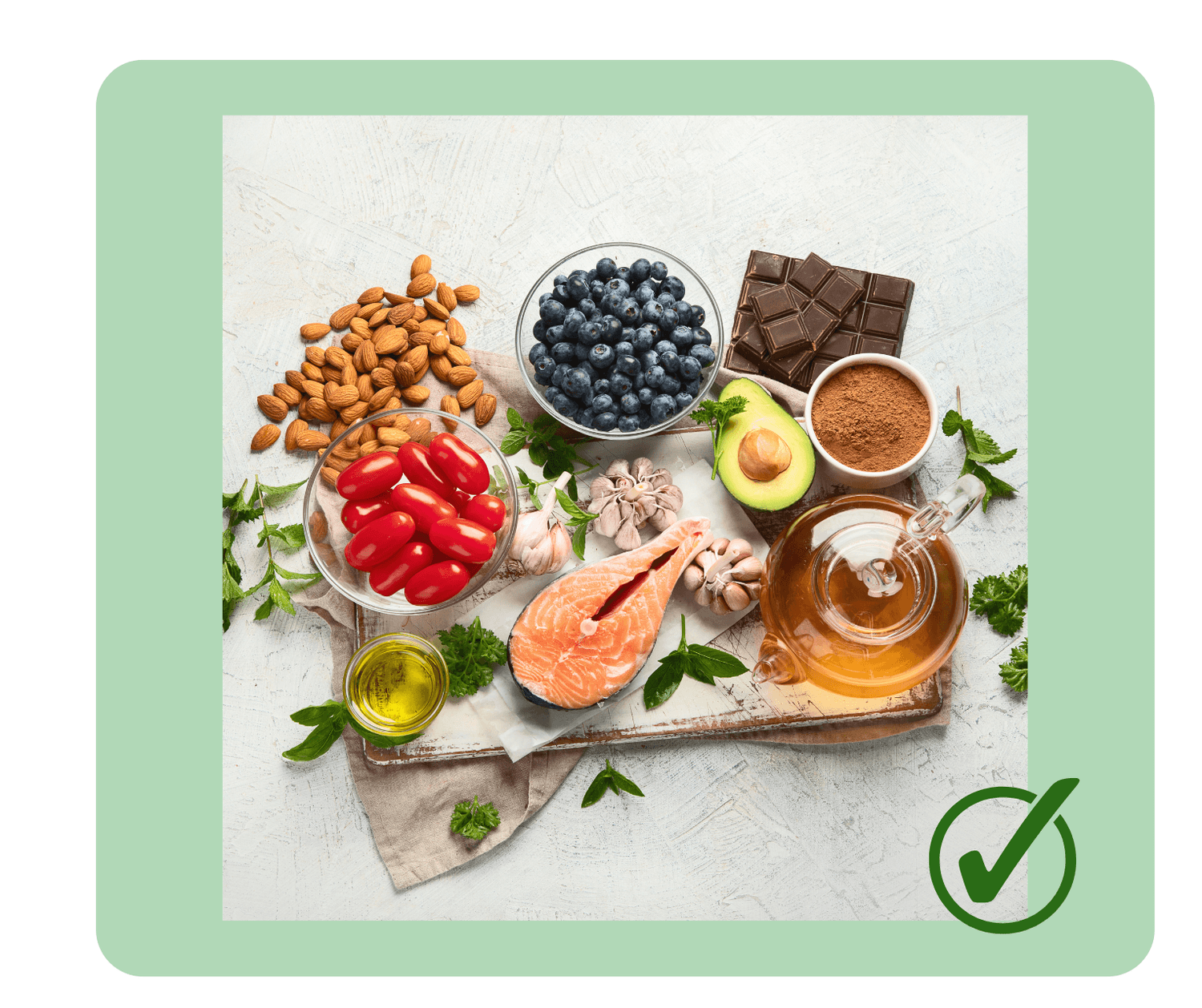
Prioritize Self-Care: Ensure adequate sleep, a healthy diet, and regular exercise. These can improve your overall well-being on a large scale and boost a positive impact with long-lasting effects.
Practice Relaxation Techniques: Activities like yoga, meditation, and deep breathing can help alleviate stress and reduce pain.
7. Scoliosis warrior life lesson
Remember, chronic pain is a part of your journey, but it doesn't encompass your entire story. By embracing adaptive strategies and leaning on supportive relationships, you can enhance your quality of life and rediscover fulfillment. Embracing this mindset not only builds strength but also opens the door to personal growth.
This journey toward mastery empowers us to improve our quality of life and inspires others facing similar struggles.
Your strength and resilience in the face of adversity can inspire not only yourself but those around you.
Written by someone who's walked the path and writes to light yours.
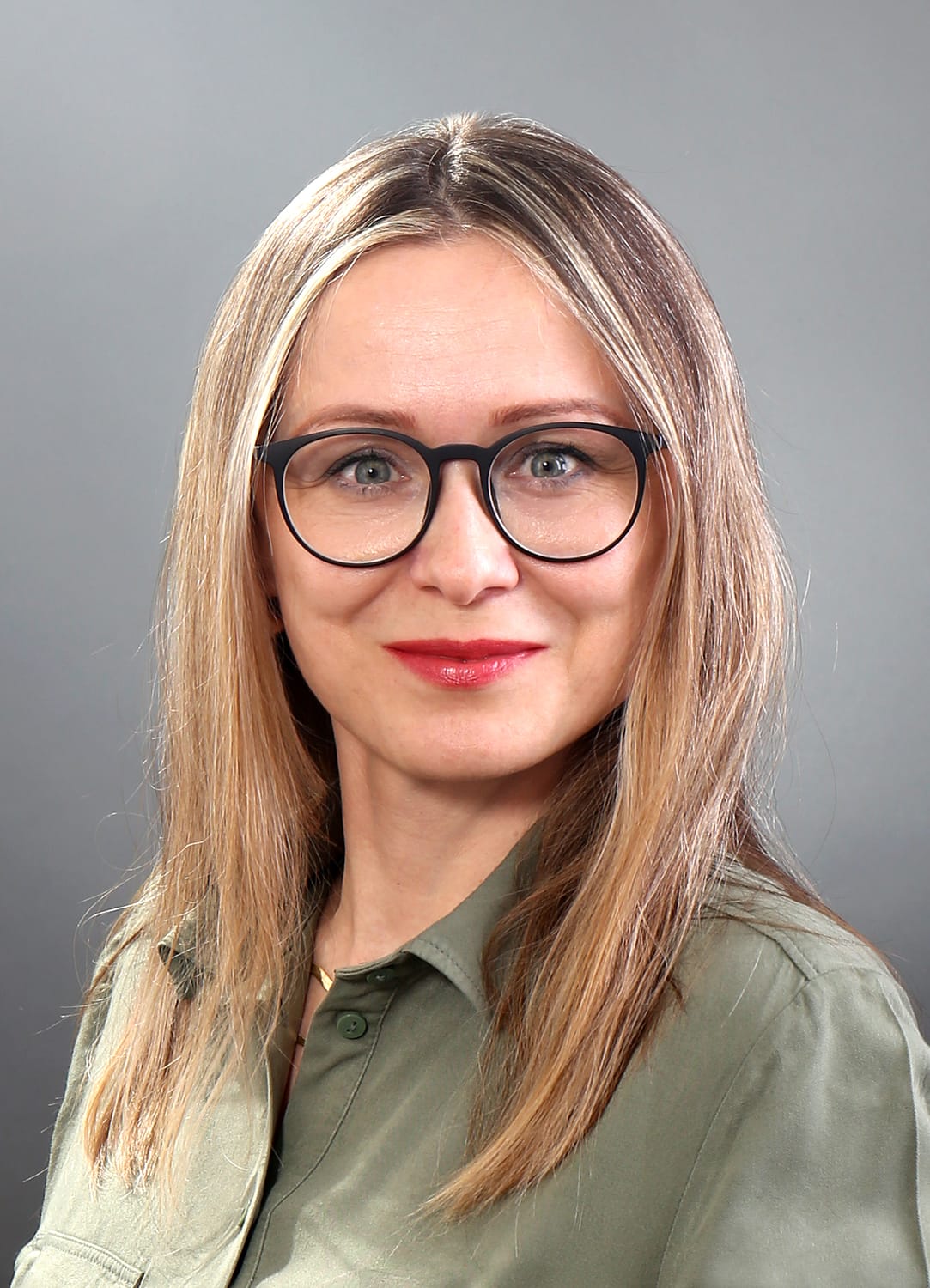
Susanne van de Munt
Diploma Nurse | Healthcare writer | Scoliosis warrior
Transform your well-being today
Welcome to a space where healing meets lived experience. Every e-book you download and each session you book supports more than just a mission—you’re standing beside a coach living with over 50% disability, who has turned personal pain into purpose.

This project is shaped by lived experience and sustained by your support. Every book purchased and service booked contributes to a mission led by a coach living with physical disability. Your support helps amplify a message built from resilience, compassion, and shared healing.
Thank you.
Susanne van de Munt
My mission is simple:
To shift the global mindset from seeing disability as a deficit to recognizing it as a source of innovation, leadership, and human evolution.
The information provided on this website is for educational and informational purposes only and does not constitute medical advice or a substitute for professional healthcare. Individuals are strongly encouraged to consult with a qualified healthcare provider before undertaking any exercise regimen, nutritional changes, or treatment for scoliosis or chronic pain. Proper medical evaluation and guidance are essential to ensure safety and effectiveness.
All rights reserved © 2025 www.scoliosismanagement.com
Susanne van de Munt Dis