DISABILITY & RESILIENCE, AND THE FUTURE OF HUMAN POTENTIAL
"BODY AWARENESS - MENTAL HEALTH - EMOTIONAL INTELLIGENCE "
This is more than a website - it’s a movement.
I explore scoliosis, chronic pain, disability, and inclusion through lived experience and neuroscience.
Redefining Disability. Reclaiming Strength. Rewriting the Story.
How does chronic pain affect nervous system - science backed information
Being stuck in fight, flight, or freeze mode, can compromise your overall health, leading to a variety of chronic pain, hormonal imbalance, gut problems, some autoimmune diseases, fatigue, and depression. On top of it, this negative pattern could also damage and hurt relationships with your loved ones if you are not careful and informed about this pattern. If you want to learn more, keep reading.
Fortunately, with the right strategies, you can heal, and take control of your nervous system, and move forward towards emotional stability, and balance.
As a diploma nurse by education, scoliosis warrior by life cycle, and healthy lifestyle coach by choice I have plenty of experience that I can share with you, to make your pain experience bearable. I believe that sharing is caring. Let's start!
1. UNDERSTANDING NERVOUS SYSTEM
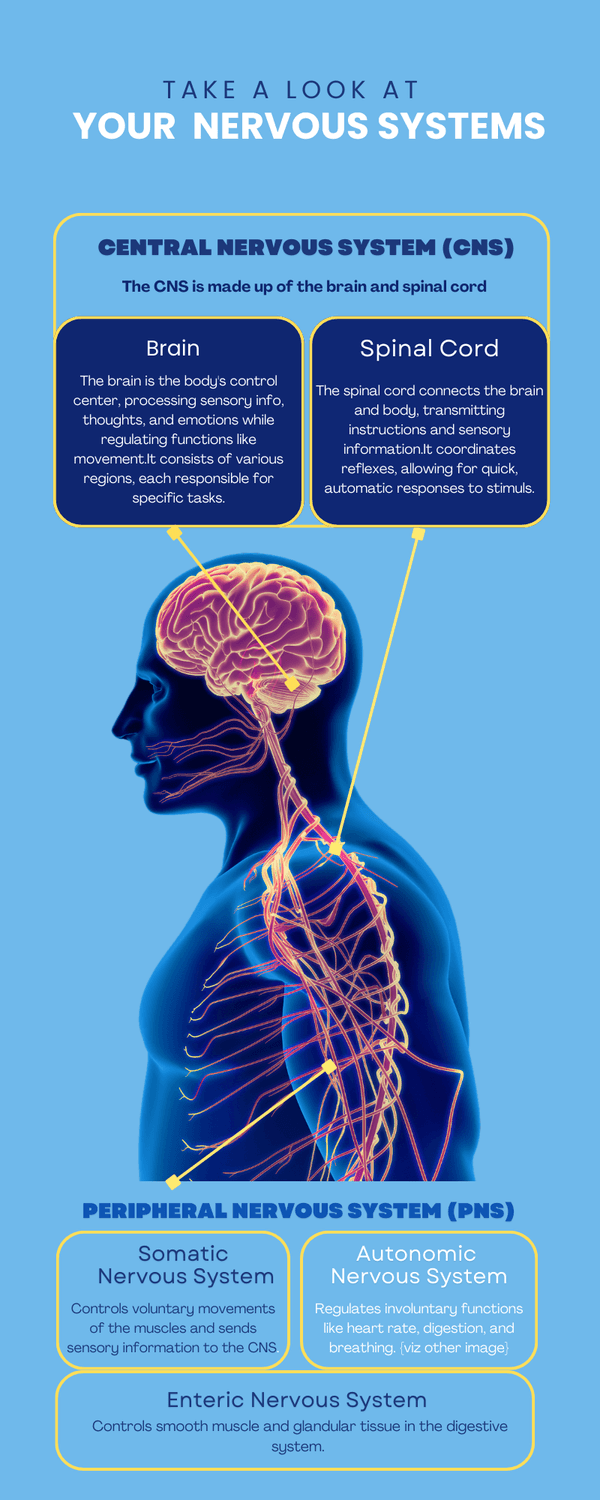
Infographics: Susanne van de Munt
The nervous system is divided into two main parts: the central nervous system (CNS) and the peripheral nervous system (PNS).
The CNS includes the brain and spinal cord, while the PNS connects the CNS to the rest of the body. Please refer to the picture on the left for a visual representation.
The peripheral nervous system-PNS is further divided into three branches, each playing a unique role in supporting your body's healthy responses. You can find more information about these branches in the picture on the left.
Of these three branches, the one responsible for the fight-or-flight response, as well as rest and recovery, is the Autonomic Nervous System.
This is what we are going to talk about today.
2. AUTONOMIC NERVOUS SYSTEM
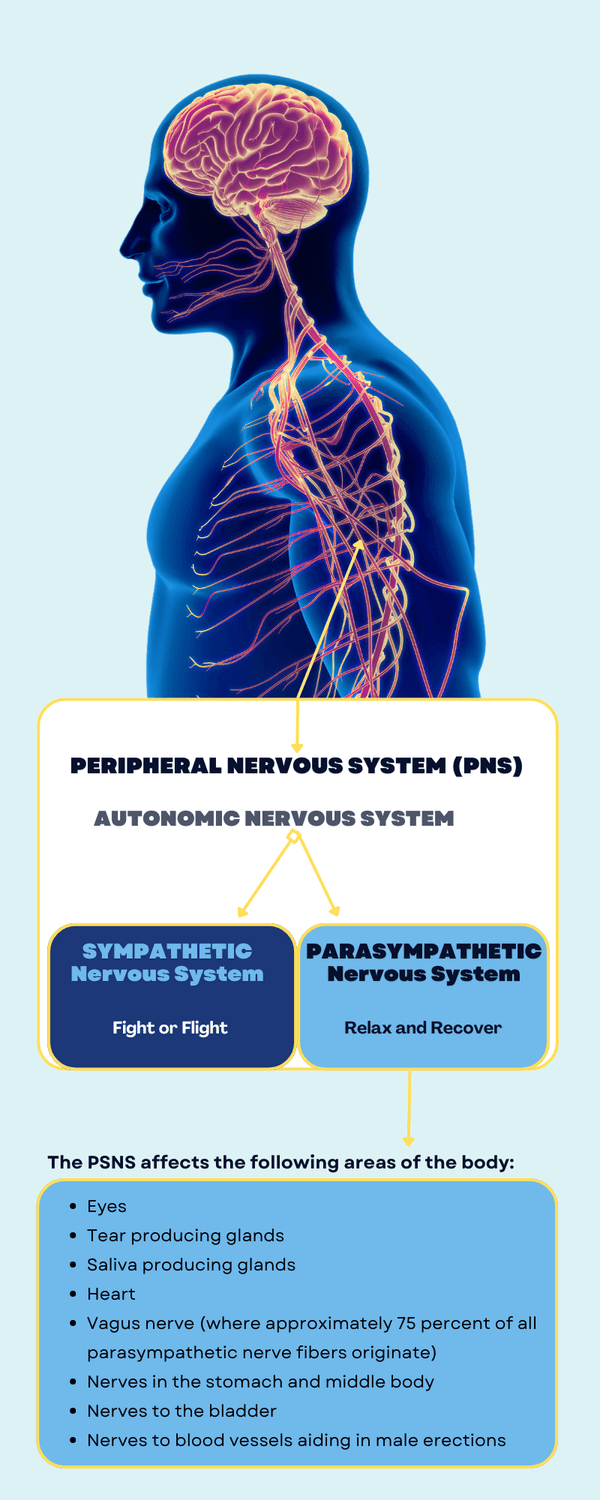
Infographics: The Author
Our bodies have an autonomic nervous system that manages system functions like heart rate, digestion, and breathing. This system has two main components: the sympathetic nervous system (SNS) and the parasympathetic nervous system (PNS).
Sympathetic Nervous System (SNS):
Often referred to as the "fight-or-flight" system, prepares your body to deal with danger by increasing your heart rate, tensing your muscles, and redirecting blood flow to your muscles so you can either fight or run away.
Parasympathetic Nervous System (PNS):
Known as the "rest-and-digest" system, promotes relaxation and recovery. The Parasympathetic Nervous System (PSNS) is like your body's natural chill pill. When it's active, it helps your body relax, recover, and repair itself. It slows down your heart rate, relaxes your muscles, and redirects blood flow to your digestive organs to help with digestion and nutrient absorption.
3. UNCOVERING THE ROOT CASE
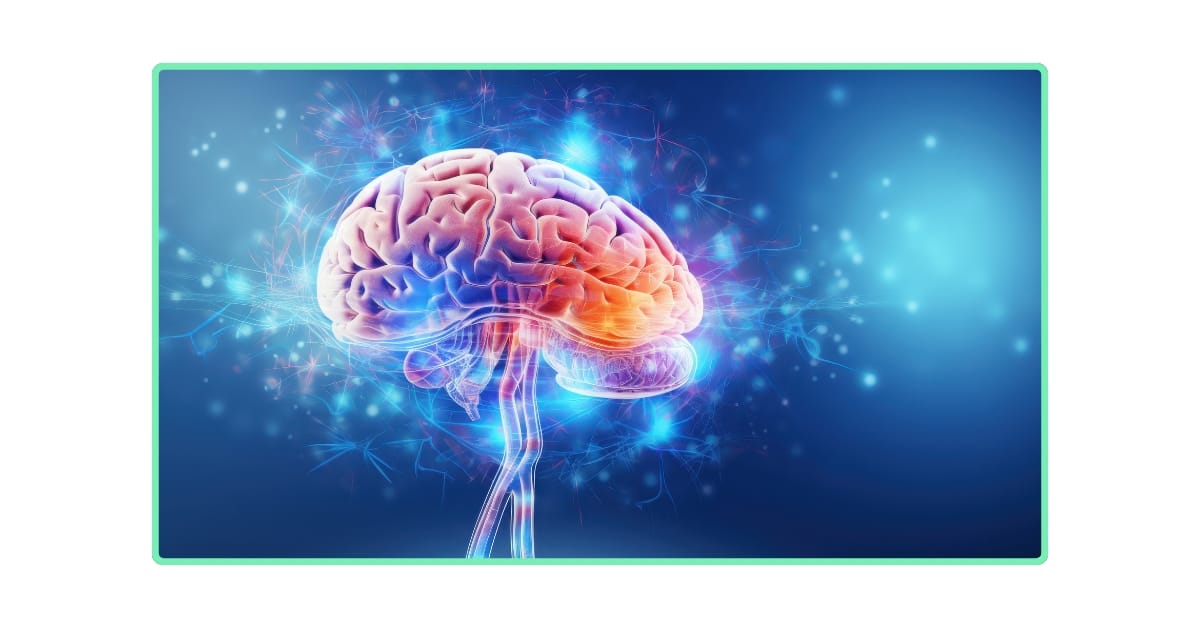
Source: Canva Pro, Design: Susanne vd Munt
Due to the high pace of life, stress, and other up-to-date demands, our nervous systems are losing the ability to automatically transition from high-stress demands into a state of "rest and digest," which should automatically occur when the body relaxes.
Let's be honest, there is no way that we can just skip the stress sometimes. Life doesn't work like that. However, after a stressful event, the healthy body reaction should transition smoothly from SNS activation back to a PNS-dominated state, allowing for rest and recovery.
This is not the case for people with chronic pain. Chronic pain can disrupt this balance, leading to prolonged SNS activation and insufficient PNS response. Having said that, this imbalance may contribute to various health issues, including digestive problems, a weakened immune system, fatigue, and burnout.
When you're constantly stressed, your sympathetic NS {fight or flight} stays active, and your parasympathetic NS {rest and recovery} doesn't get a chance to do its job.
"Your body is always on high alert and never gets a chance to relax and recover."
Disability is real, and pain.."Pain is not just physical - it’s neurological, emotional, and relational."
Susanne van de Munt, Dis
Healthcare educator & Chronic pain warrior & Disability as diversity

Living with pain is not your fault. That is why you are here - seeking understanding, seeking relief. You are trying to make sense of your nervous system, and you are searching for a solution. That search is not weakness; it is courage.
It means you believe in the possibility of change, and you are willing to learn how your body and mind can work together toward healing.
Having gone through challenging times with my own chronic pain and being constantly in a fight or flight response, I am here to help you now. Chronic stress keeps the body's stress-response system active, which can exacerbate pain perception and lead to persistent discomfort. And here is what MD won't tell you:
"Stress is not feeling! Stress is a whole body experience."
4. SCOLIOSIS WARRIOR EXPERIENCE
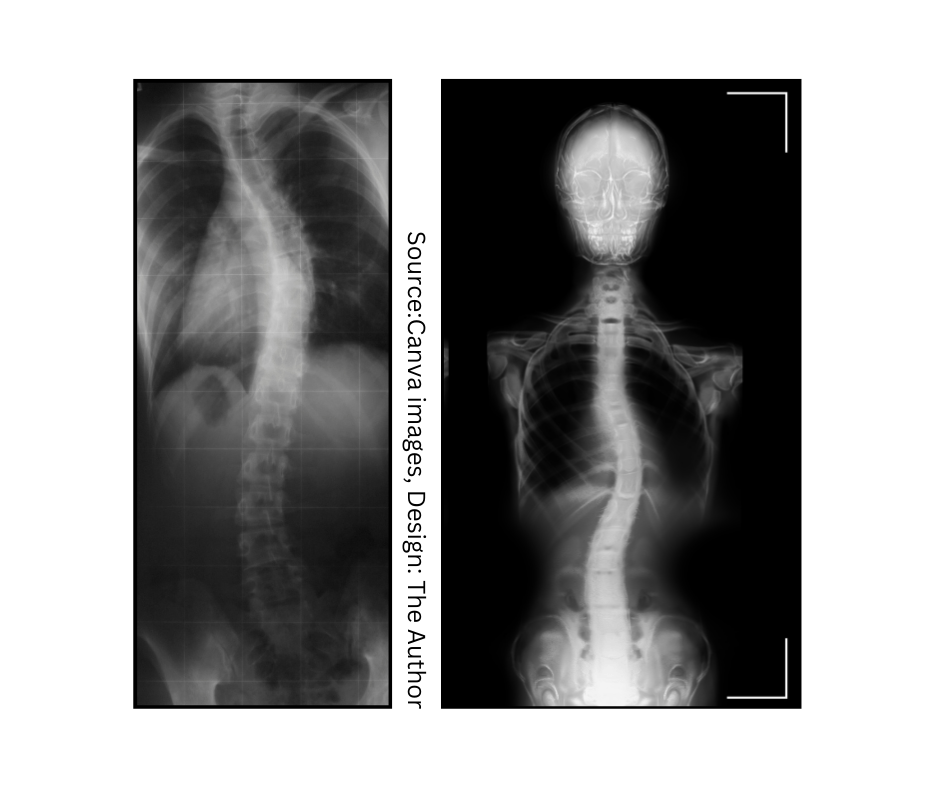
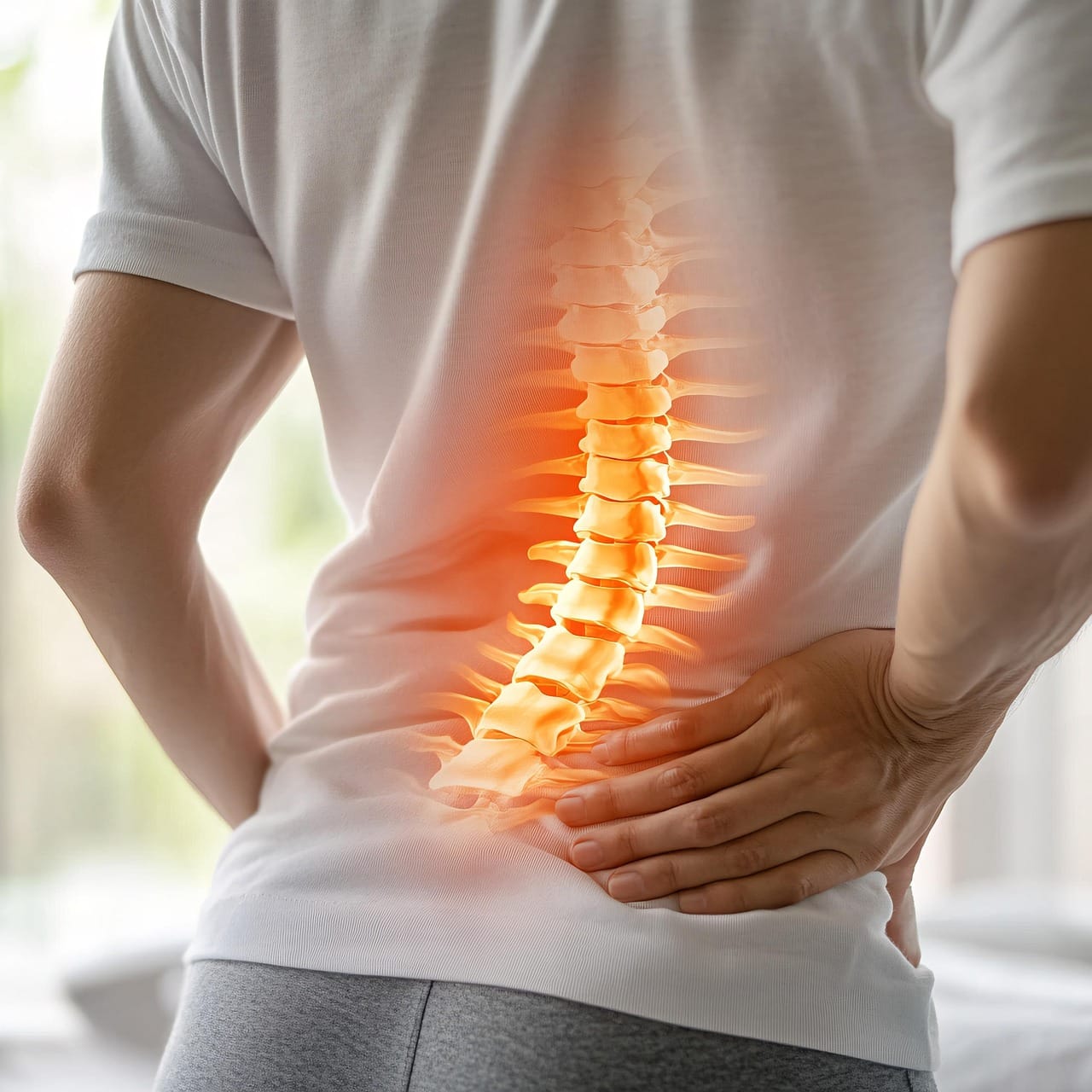
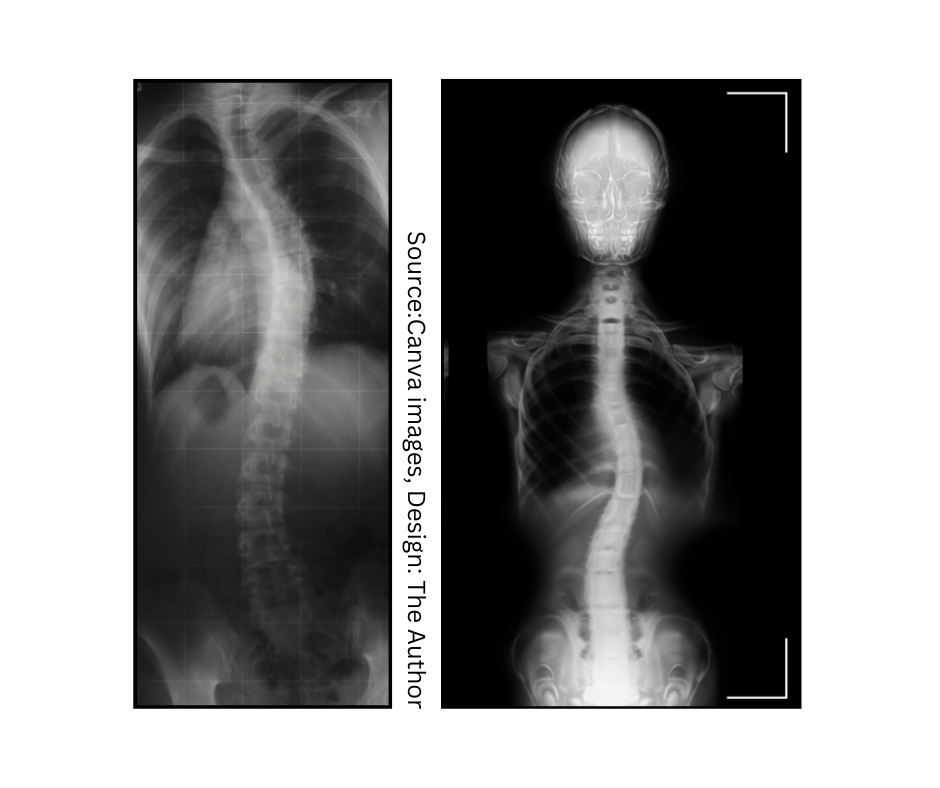
Living with scoliosis and chronic back pain can be incredibly challenging, both physically and mentally. No one with tell you what is 100% correct chronic pain management for you. Of course, medical personnel, chiropractic, or some experienced physiotherapist will do their best to help you, but it is your body, and you are experiencing pain and discomfort after all. Finding what works for you may take some time, and it is a process of comprehending how your body works, what is a chemical process, what you can influence, and how, and what you can not. It is a whole alchemy, and yes-it requires time and willingness to make significant improvements in the quality of your life.
Is it worth it? Oh, yes!
Read other articles related to this theme: Rise of data - driven physical therapy,
How natural rhythm supports chronic pain healing.
There is one more thing that I would love to remind you: Be kind to yourself, while some improvement may take time.
With all the medical terms explained above, you are on the right path to make a tremendous change in regulating your NS successfully! Let's talk about a practical part, now.
By strengthening your relationship with the Parasympathetic Nervous System (PSNS), you will be able to live more fully in the present moment while simultaneously building a healthy relationship with your incredible body.
It's important to note that all branches of the NS are interconnected and influence one another.
6. SCIENCE-BACKED STRATEGIES FOR SCOLIOSIS AND CHRONIC PAIN

Source: Canva Pro, Design: Susanne vd Munt
To help manage chronic pain, it's vital to engage in activities that promote PNS activation and restore balance to the autonomic nervous system. Practices such as paced breathing, spending time in nature, and listening to music can stimulate the PNS, aiding in relaxation and potentially reducing pain. Let's go through each of them, listing the benefits, if you haven't discovered them yet.
Mindful Breathing: Deep, mindful breathing activates the PNS and helps calm the nervous system. Here is one of the most powerful sights to be incorporated into your routine.
Yoga and Stretching: Gentle yoga, pilates, and soft stretching exercises can help improve flexibility, reduce pain, and promote relaxation. Focus on poses that gently stretch the spine and release tension in the muscles. Do not forget mindful breathing.
Meditation and Mindfulness: Regular meditation and mindfulness practices can help reduce stress and anxiety, promoting emotional stability and overall well-being. Guided meditations and mindfulness exercises can be particularly helpful for managing pain and improving mental health. Don't be short on this!
Expressive Writing: Writing about your thoughts and feelings can help you gain new insights and perspectives on your personal challenge. This practice, known as expressive writing, can reduce stress and improve emotional resilience, because you express your feelings, rather than hold them inside. Start with mine 5 personal characteristics that are crucial while claiming your story back!
Positive Thinking Exercises: Cultivating a positive mindset can have a vital impact on your mental and physical health. Practice positive thinking exercises, such as finding positive outcome in challenging situations and reframing negative thoughts. That is the way forward!
Healthy Diet and Nutrition: A balanced diet rich in anti-inflammatory foods can help reduce pain and inflammation. Incorporate foods like leafy greens, berries, nuts, and fatty fish into your diet to support overall health.
Adequate Sleep: Getting enough sleep is crucial for nervous system regulation and overall health. Aim for 7-9 hours of uninterrupted sleep each night to allow your body to rest and repair itself. Don't be hard on yourself here either! Maybe your body and your pain give you just 4, 5 hours of rest, but eventually you will be able to expand it into a couple of more hours at least.
Social Support: Building a strong support network of friends, family, and healthcare professionals can provide emotional support and practical assistance. Joining support groups for people with scoliosis and chronic pain can also be beneficial.
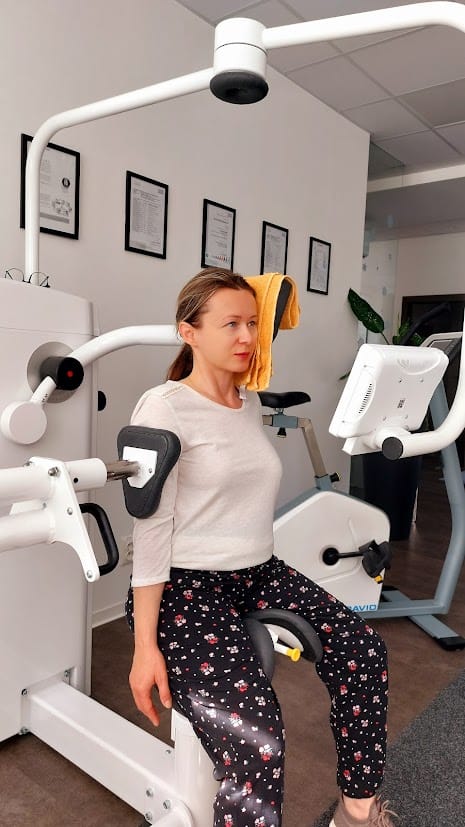
To help your PSNS {rest and recover} do its job, you need to find ways to manage your stress.
It might take some time, some trials and errors, and it is okay. No one wants from you to figure it straight away. It is impossible! Take your time. Give yourself the grace to learn at your own pace.
Since I have been dealing with my scoliosis, chronic pain, and fatigue for as long as I can remember, I can truly say that I am an expert in managing my scoliosis and chronic pain tantrums.
You can be in yours!
I have tried countless different techniques, and what works for me the most is a balance between resting and intentional moving. A rhythm that respects my limits while still inviting my body to stay awake, engaged, and supported.
💚 The more you listen to your body, the more your body learns to trust you back.
💚 The more you experiment, the more you discover what truly helps you.
And the more you show up for yourself, even in small, consistent ways, the more capable you become of navigating the hard days with clarity instead of fear.
Disability taught me that real strength isn’t forged in dramatic breakthroughs — it’s built in the quiet, ordinary moments where you choose to keep going.
I found my way. Have you?
8. PRO TIP - COMMUNICATE WITH YOUR BRAIN
Archiv: Susanne vd Munt
When moving your body to aid in the response of the PSNS, it is imperative to move slowly and with intention.
Why?
Moving slowly allows your brain time to communicate with your NS to tell your body what to do and that is essential for healthy body functions.
Written by someone who's walked the path and writes to light yours.
Susanne van de Munt Dis
✔️ Trauma-informed | ✔️ Lived Experience | ✔️ Medical + Emotional Intelligence
9. DISABILITY AND INCLUSION PERSONAL STORY
"girl in the brace who refuses to break"
UNCOVER A CHALLENGING LIFE STORY
Say yes to the journey.
Pre‑sign up now for ''Girl in the brace who refuses to break'' and get early access to the book, exclusive insights, and a first invitation into a community built for people who rise differently.
Your next chapter starts the moment you join.

My voice is bold and authentic. I talk about my errors and triumphs, resilience, discipline, old beliefs, and new beginnings.
Life is not a dress rehearsal.
There are no second takes.
And the only moment guaranteed to you is the one you’re holding right now.
So step into it — imperfect, unready, and fully alive.

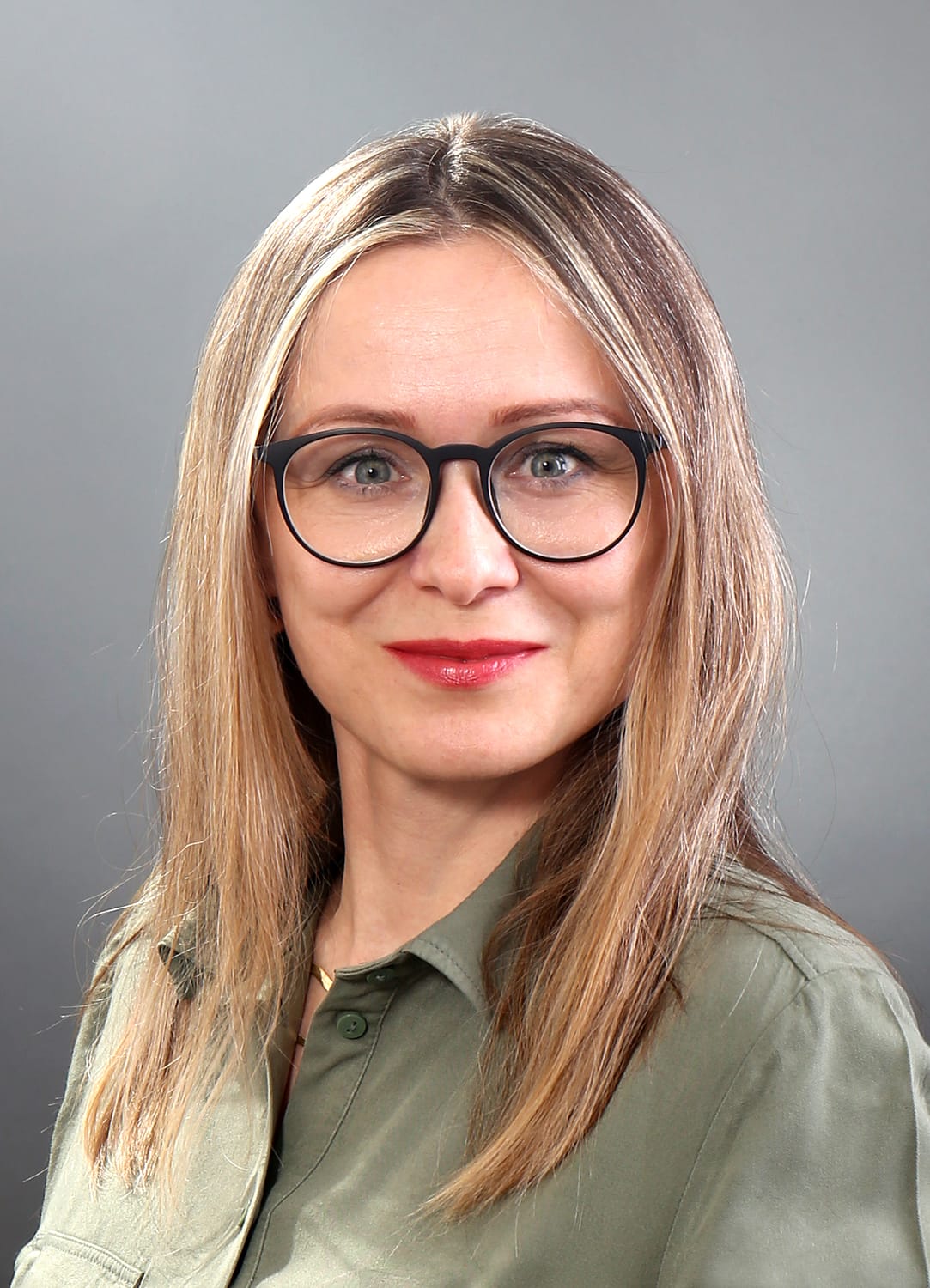

This project is shaped by lived experience and sustained by your support. Every book purchased and service booked contributes to a mission led by a coach living with physical disability. Your support helps amplify a message built from resilience, compassion, and shared healing.
Thank you.
Susanne van de Munt
My mission is simple:
To shift the global mindset from seeing disability as a deficit to recognizing it as a source of innovation, leadership, and human evolution.
The information provided on this website is for educational and informational purposes only and does not constitute medical advice or a substitute for professional healthcare. Individuals are strongly encouraged to consult with a qualified healthcare provider before undertaking any exercise regimen, nutritional changes, or treatment for scoliosis or chronic pain. Proper medical evaluation and guidance are essential to ensure safety and effectiveness.
All rights reserved © 2025 www.scoliosismanagement.com
Susanne van de Munt Dis